 November 2014 in “PubMed”
 A robotic device could improve surgical hair restoration, but it needs more testing to confirm its effectiveness compared to current methods.
 2 citations
,
January 2011 in “Lecture Notes in Computer Science”
2 citations
,
January 2011 in “Lecture Notes in Computer Science” A proposed robotic system could make hair harvesting for baldness treatment faster and more precise.
 11 citations
,
October 2015 in “Journal of Cosmetic Dermatology”
11 citations
,
October 2015 in “Journal of Cosmetic Dermatology” Half of hair restoration surgeons experience body discomfort, especially after follicular unit extraction procedures, and using ergonomic equipment or robotic devices could reduce this discomfort.

Robotic-assisted hair transplant is effective and less painful, but needs more evaluation for long-term results.
 January 2017 in “International journal of transplantation & plastic surgery”
 Hair restoration techniques have improved over time, focusing on better results and less scarring, but skilled doctors are essential for natural-looking outcomes.
 5 citations
,
February 2019 in “Oral and Maxillofacial Surgery”
5 citations
,
February 2019 in “Oral and Maxillofacial Surgery” Hair loss can be reversed or even cured using advanced hair restoration techniques, with rare complications like swelling and bleeding.
 January 2017 in “Journal of Investigative Dermatology Symposium Proceedings”
 The 2015 Hair Research Congress concluded that stem cells, maraviroc, and simvastatin could potentially treat Alopecia Areata, topical minoxidil, finasteride, and steroids could treat Frontal Fibrosing Alopecia, and PTGDR2 antagonists could also treat alopecia. They also found that low-level light therapy could help with hair loss, a robotic device could assist in hair extraction, and nutrition could aid hair growth. They suggested that Alopecia Areata is an inflammatory disorder, not a single disease, indicating a need for personalized treatments.
 December 2024 in “Journal of Cutaneous and Aesthetic Surgery”
 Advanced FUE systems have evolved to improve precision and efficiency in hair transplantation.
 32 citations
,
July 2011 in “Facial Plastic Surgery”
32 citations
,
July 2011 in “Facial Plastic Surgery” New hair transplant methods offer more natural results and better graft survival, with ongoing research to increase donor hair options.
 31 citations
,
November 2013 in “Dermatologic Clinics”
31 citations
,
November 2013 in “Dermatologic Clinics” The ARTAS robotic system for hair restoration is efficient with fewer cuts than manual methods, but it's limited to certain hair types and can still leave scars.
17 citations
,
January 2014 in “Dermatology Online Journal” The Artas robotic system is effective and reliable for hair transplants.
September 2023 in “Journal of the American Academy of Dermatology” Combining robotic and specialized tools improves hair transplant results.
 1 citations
,
November 2009 in “Cambridge University Press eBooks”
1 citations
,
November 2009 in “Cambridge University Press eBooks” FUE is a less invasive hair restoration method with potential to become standard, offering benefits like reduced scarring and pain, but requires experience to minimize risks.
 26 citations
,
October 2012 in “Dermatologic Clinics”
26 citations
,
October 2012 in “Dermatologic Clinics” The document details hair transplantation techniques and innovations, highlighting Follicular Unit Transplantation as the standard and discussing the effectiveness and challenges of the procedure.
 December 2023 in “Dermatologic Surgery”
 The skin-responsive device improved beard and body hair transplant success and increased surgeons' willingness to perform the procedure.
 41 citations
,
August 2013 in “Facial Plastic Surgery Clinics of North America”
41 citations
,
August 2013 in “Facial Plastic Surgery Clinics of North America” FUE provides minimal scarring and quick recovery in hair transplantation, and surgeons not using it may lag in technology.
 17 citations
,
November 2017 in “Dermatologic Clinics”
17 citations
,
November 2017 in “Dermatologic Clinics” New techniques improve hair restoration success.
 September 2024 in “Journal of Cosmetic Dermatology”
 Robotic hair transplants are easier and quicker to learn than traditional methods.
 November 2013 in “Dermatologic Clinics”
 The document summarizes the latest trends and advancements in cosmetic dermatology.
 8 citations
,
March 2016 in “Hair transplant forum international”
8 citations
,
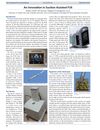
March 2016 in “Hair transplant forum international” The new FUE device improves hair transplant safety and efficiency.
 1 citations
,
June 2017 in “Actas Dermo-Sifiliográficas”
1 citations
,
June 2017 in “Actas Dermo-Sifiliográficas” Follicular Unit Extraction (FUE) is a hair transplant method with less scarring and discomfort but requires skilled surgeons and has limitations on graft numbers per session.
 8 citations
,
March 2014 in “Dermatologic Clinics”
8 citations
,
March 2014 in “Dermatologic Clinics” Specialized techniques are needed for hair restoration in individuals with curly Afrocentric hair due to unique challenges.
 January 2024 in “Authorea (Authorea)”
 New punch technologies have improved hair transplant results over time.
 29 citations
,
January 2010 in “PubMed”
29 citations
,
January 2010 in “PubMed” FUE hair transplants offer minimal scarring and are good for short hairstyles but are time-consuming and can be costly.
 August 2023 in “Clinical, Cosmetic and Investigational Dermatology”
 The new hair transplant device reduces damage to hair follicles and makes surgery more comfortable for the surgeon.
 7 citations
,
November 2021 in “Clinical, Cosmetic and Investigational Dermatology”
7 citations
,
November 2021 in “Clinical, Cosmetic and Investigational Dermatology” The new hair graft device is faster, more efficient, and reduces damage to hair follicles.
June 2021 in “Cosmoderma” Hair transplantation techniques have improved, making the process safer and more effective with less visible scarring.
 23 citations
,
September 2014 in “Journal of The American Academy of Dermatology”
23 citations
,
September 2014 in “Journal of The American Academy of Dermatology” The robotic hair restoration device had a high success rate and was faster than manual methods for Korean patients.
 16 citations
,
January 2014 in “Dermatology online journal”
16 citations
,
January 2014 in “Dermatology online journal” The document concludes that Follicular Unit Extraction is an advanced, less invasive hair transplant method with fewer side effects than traditional methods.

Advancements in diagnostics, treatments, and technology have improved hair loss detection and restoration, with some types being reversible.