The new treatment regimen was effective in promoting significant hair growth in all 15 male patients with androgenic alopecia.
 74 citations
,
April 2005 in “Dermatologic Clinics”
74 citations
,
April 2005 in “Dermatologic Clinics” Minoxidil and finasteride are effective for male hair loss, minoxidil for female hair loss, and various treatments like corticosteroids work for alopecia areata; treatment should be tailored to the individual.
 54 citations
,
August 2009 in “Dermatologic Surgery”
54 citations
,
August 2009 in “Dermatologic Surgery” Modern hair transplants use small grafts for a natural look and drugs to prevent further loss, with high patient satisfaction.
 8 citations
,
June 2008 in “Aktuelle Dermatologie”
8 citations
,
June 2008 in “Aktuelle Dermatologie” Early diagnosis and personalized treatment are crucial for managing different types of alopecia effectively.
1 citations
,
January 2023 in “Journal of Clinical Medicine” Minoxidil can cause a skin reaction called ALEP.
 1 citations
,
April 2019 in “Journal of Investigative Dermatology”
1 citations
,
April 2019 in “Journal of Investigative Dermatology” Oral minoxidil can potentially increase hair growth in people suffering from Central Centrifugal Cicatricial Alopecia.
February 2026 in “Journal of Dermatological Treatment” CG2001 is safe and well-tolerated for treating hair loss, with fewer side effects than oral finasteride.

CG2001 is safe, well-tolerated, and a promising treatment for hair loss with fewer side effects.

CG2001 is safe and well-tolerated for treating hair loss in men.

Topical minoxidil and oral finasteride and dutasteride are the most effective treatments for male and female pattern hair loss, but study quality varies.

A new minoxidil regimen improved hair loss in a lupus patient.

Microneedling is an effective way to treat hair loss from androgenetic alopecia.
December 2018 in “International journal of women’s dermatology” FFA in young women is often missed, and no single treatment works best.
Medical Hair Restoration added a non-surgical hair therapy program to help people with early hair loss.
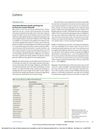 8 citations
,
June 2017 in “JAMA Dermatology”
8 citations
,
June 2017 in “JAMA Dermatology” Women pay more for the same 5% minoxidil foam than men, but prices for liquid solutions are similar.
8 citations
,
October 2015 in “PubMed” 5% minoxidil foam effectively treats female hair loss.
 June 2026 in “Journal of Comprehensive Dermatology”
 Minoxidil is effective for hair growth, especially with new delivery methods and personalized treatments.
March 2026 in “Journal of medical & health sciences review.” Both 5% minoxidil foam and liquid effectively treat hair loss, with foam slightly preferred.
 September 2025 in “Journal of Cutaneous Medicine and Surgery”
 Experts recommend specific treatments like minoxidil and finasteride for managing hereditary hair loss.

A 15% clove leaf extract shampoo promotes hair growth but is less effective than minoxidil.
August 2018 in “Jundishapur journal of natural pharmaceutical products” Transfollicular drug delivery can improve medication absorption through hair follicles.
 January 2017 in “Springer eBooks”
 Over 40% of postmenopausal women experience hair loss, with treatments aiming to stop further loss and possibly thicken hair.
 April 2008 in “Medical & surgical dermatology”
 Certain hairstyles can cause scalp diseases, smoking is linked to hair loss, 5% minoxidil foam is effective for hair loss treatment, and various factors influence wound healing and hair growth.
 2 citations
,
September 2022 in “Dermatologic therapy”
2 citations
,
September 2022 in “Dermatologic therapy” Microneedling helps reduce hair-pulling and promotes hair regrowth in trichotillomania patients.
 January 2022 in “Experimental Dermatology”
 Minoxidil solution and foam both increase hair growth, but the solution works better than the foam.
Liposomes with minoxidil and PEP penetrate skin slowly but reach deeper layers than foam.
Effective treatment for midlife women's hair loss is limited, with 5% minoxidil foam being the only proven option for the most common type.
October 2013 in “Evidence-Based Practice” Minoxidil is effective and safe for female hair loss, with the 5% foam having the fewest side effects.
 7 citations
,
January 2021 in “Cureus”
7 citations
,
January 2021 in “Cureus” A woman had an allergic skin reaction to a hair loss treatment containing minoxidil and should not use it.
1 citations
,
July 2025 in “International Journal of Women’s Dermatology” Women's minoxidil products cost more and are less effective than men's.