75 citations
,
July 2016 in “New phytologist” The protein RSL4 is crucial for making root hairs longer by controlling genes related to cell growth.
4 citations
,
August 2025 in “Plant Cell & Environment” Azospirillum brasilense promotes root hair growth in Arabidopsis by increasing auxin and activating specific genes.
26 citations
,
September 1999 in “Canadian Journal of Botany” The RHD4 gene is crucial for consistent root hair growth in Arabidopsis thaliana.
29 citations
,
October 2010 in “Journal of Investigative Dermatology” Activating Kras in mouse skin causes excess skin and hair loss.
512 citations
,
February 2008 in “Science” Reactive oxygen species and calcium create a feedback loop that shapes root hair cells.
March 2008 in “Faculty Opinions – Post-Publication Peer Review of the Biomedical Literature” Local positive feedback helps shape root hair cells by stabilizing growth sites.
 April 2024 in “bioRxiv (Cold Spring Harbor Laboratory)”
 A gene network led by RSL4 is crucial for early root hair growth in response to cold in Arabidopsis thaliana.
 September 2020 in “Research Square (Research Square)”
 Multi-walled carbon nanotubes can enhance plant root hair growth by affecting nitric oxide and ethylene production.
 40 citations
,
May 2012 in “British Journal of Dermatology”
40 citations
,
May 2012 in “British Journal of Dermatology” Recognizing specific features of African-American hair can help diagnose hair loss conditions.
 188 citations
,
May 2009 in “Plant physiology”
188 citations
,
May 2009 in “Plant physiology” Researchers found 19 genes important for root hair growth in a plant called Arabidopsis.
317 citations
,
August 1997 in “The Plant Journal” Calcium is crucial for sustaining root hair growth in Arabidopsis thaliana.
147 citations
,
August 2005 in “The Plant Cell” The TIP1 gene is crucial for normal plant cell growth in Arabidopsis.
 September 2023 in “Plant journal”
 A protein called GIS3 is important for the growth of root hairs in Arabidopsis by controlling two genes with the help of certain growth signals.
 February 2023 in “Cosmoderma”
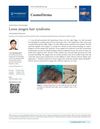
 Loose anagen hair syndrome causes easily shed hair but usually improves with time.
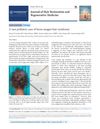
Loose anagen hair syndrome in children may improve with age, but treatment results vary.
 28 citations
,
May 2020 in “BMC plant biology”
28 citations
,
May 2020 in “BMC plant biology” The study concluded that three enzymes are important for plant development by affecting sugar composition and calcium binding in plants.
5 citations
,
December 2023 in “Current Biology” A feedback loop between LRH and RSL4 controls root hair growth in Arabidopsis.
Loose anagen syndrome causes easy hair shedding in children, often resolving on its own.
229 citations
,
May 2006 in “Journal of Experimental Botany” Reactive oxygen species are essential for plant root hair growth.
 36 citations
,
April 2016 in “British journal of dermatology/British journal of dermatology, Supplement”
36 citations
,
April 2016 in “British journal of dermatology/British journal of dermatology, Supplement” A substance called VIP might protect hair follicles from being attacked by the immune system, and problems with VIP signaling could lead to hair loss in alopecia areata.
21 citations
,
September 2021 in “New Phytologist” HB24 helps convert IBA to IAA, promoting root hair growth.
 20 citations
,
January 2021 in “Plants”
20 citations
,
January 2021 in “Plants” High energy boosts root hair growth in plants, while low energy stops it.
 2 citations
,
January 2022 in “bioRxiv (Cold Spring Harbor Laboratory)”
2 citations
,
January 2022 in “bioRxiv (Cold Spring Harbor Laboratory)” A protein called FERONIA helps control root hair growth in response to cold and low nitrogen by activating nutrient-sensing pathways in a plant called Arabidopsis.
 September 2019 in “The journal of investigative dermatology/Journal of investigative dermatology”
 Hair follicles repair 3D injuries using a 2D healing process.
7 citations
,
September 2024 in “PLANT PHYSIOLOGY” RALF22 is essential for root hair growth in response to fungal emissions in Arabidopsis.
35 citations
,
October 2013 in “Journal of Dermatological Science” VEGF165 influences hair follicle cell growth and movement through VEGFR-2 activation.
6 citations
,
January 2004 in “DNA Research” A mutation in the Sgkl gene causes defective hair growth in mice.
 October 2024 in “Journal of Plant Growth Regulation”
 Fusarium sp. strain K-23 helps Arabidopsis plants grow better in salty soil by promoting root hair growth.
 October 2022 in “Research Square (Research Square)”
 The conclusion is that certain chemicals from Bacillus subtilis help improve plant root growth through a hormone-related process.
 105 citations
,
May 2011 in “The journal of investigative dermatology/Journal of investigative dermatology”
105 citations
,
May 2011 in “The journal of investigative dermatology/Journal of investigative dermatology” Activating TRPV3 stops human hair growth.