 July 2025 in “SKIN The Journal of Cutaneous Medicine”
 Ritlecitinib is generally safe for alopecia areata patients over 72 months.
15 citations
,
January 2025 in “Journal of the European Academy of Dermatology and Venereology” Ritlecitinib is effective and safe for treating alopecia areata, promoting significant hair regrowth.
November 2025 in “SKIN The Journal of Cutaneous Medicine” Ritlecitinib is effective long-term for treating alopecia areata in teens.
November 2025 in “SKIN The Journal of Cutaneous Medicine” Ritlecitinib 50 mg effectively promotes and sustains hair regrowth in alopecia areata patients.
November 2025 in “SKIN The Journal of Cutaneous Medicine” Ritlecitinib is generally safe for adolescents with alopecia areata over 5 years.
 March 2026 in “Mendeley Data”
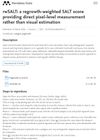
 rwSALT provides precise hair regrowth measurement from scalp photos.
July 2025 in “Journal of the European Academy of Dermatology and Venereology” 48 citations
,
July 2023 in “Pediatric Dermatology” Ritlecitinib effectively regrows hair in adolescents with alopecia areata and is safe.
13 citations
,
February 2025 in “Journal of the European Academy of Dermatology and Venereology” Ritlecitinib shows promise for treating alopecia areata, especially with early and extended treatment.
November 2023 in “SKIN The Journal of Cutaneous Medicine” Ritlecitinib effectively maintains hair regrowth in alopecia areata patients.
January 2026 in “Dermatologic Therapy” Ritlecitinib is effective and safe for treating severe alopecia areata, showing significant hair regrowth and improved mental health.
 March 2026 in “Mendeley Data”
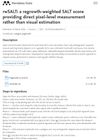
 rwSALT accurately measures hair regrowth in alopecia areata using scalp photos.
 July 2025 in “The Journal of Dermatology”
 Ritlecitinib has common side effects like headache and acne, and unexpected ones like diabetes and thyroid issues.
January 2026 in “International Journal of Dermatology” Ritlecitinib helps hair regrowth and reduces emotional and functional burdens in alopecia areata.
 1 citations
,
July 2025 in “SKIN The Journal of Cutaneous Medicine”
1 citations
,
July 2025 in “SKIN The Journal of Cutaneous Medicine” Ritlecitinib is effective and safe for long-term treatment of alopecia areata.
 1 citations
,
March 2026 in “American Journal of Clinical Dermatology”
1 citations
,
March 2026 in “American Journal of Clinical Dermatology” Ritlecitinib effectively regrows hair in severe alopecia areata, especially in adolescents.
6 citations
,
March 2024 in “SKIN The Journal of Cutaneous Medicine” Ritlecitinib is effective for long-term treatment of severe alopecia areata.
July 2025 in “Zenodo (CERN European Organization for Nuclear Research)” Ritlecitinib helps regrow hair in alopecia areata and is safe for long-term use.
July 2025 in “Zenodo (CERN European Organization for Nuclear Research)” Ritlecitinib helps regrow hair in alopecia areata and is safe for long-term use.
May 2025 in “CPT Pharmacometrics & Systems Pharmacology” A 50 mg non-loading dose of ritlecitinib is safe for adults and adolescents.
November 2024 in “SKIN The Journal of Cutaneous Medicine” Ritlecitinib effectively reduces severe hair loss in alopecia areata over 24 months.
Raptor and Rictor have stable expression in hair cycles, with Raptor marking stem cells and Rictor involved in hair shaft formation.
 March 2026 in “American Journal of Clinical Dermatology”
 Ritlecitinib is effective and safe for long-term use in treating severe alopecia areata in people aged 12 and older.
November 2024 in “Skin Appendage Disorders” Clinicians should consider individual factors and communicate risks and benefits when prescribing ritlecitinib for adolescent alopecia areata.
23 citations
,
October 2024 in “British Journal of Dermatology” Ritlecitinib effectively treats alopecia areata and is safe for long-term use in people 12 and older.
 84 citations
,
August 2023 in “Drugs”
84 citations
,
August 2023 in “Drugs” Ritlecitinib is approved in the USA and Japan for treating severe hair loss in people aged 12 and older.
June 2025 in “Acta Dermato Venereologica” Low-dose Ritlecitinib may help children with stubborn Alopecia Areata.
The early Iron Age settlement at Raposal shows diverse cultural influences and challenges previous ideas about settlement types in the Ebro Valley.
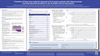 March 2025 in “SKIN The Journal of Cutaneous Medicine”
 Certain patient characteristics can help predict hair regrowth success with ritlecitinib in alopecia areata.
September 2024 in “Annals of Medicine and Surgery” Ritlecitinib is the first FDA-approved pill for treating significant hair loss in alopecia areata patients aged 12 and up.