2 citations
,
January 2004 in “Linchuang pifuke zazhi” ZD1839 can cause skin issues like acne and hair changes.
 January 2026 in “Dermatology and Therapy”
 Patients with alopecia areata on ritlecitinib responded well to tetanus and meningococcal vaccines.
 29 citations
,
July 2012 in “The Journal of Sexual Medicine”
29 citations
,
July 2012 in “The Journal of Sexual Medicine” Rats had lasting erectile problems after stopping a certain medication.
December 2025 in “The Journal of Dermatology” Ritlecitinib effectively reduces hair loss in JAK inhibitor-naïve alopecia areata patients.
 4 citations
,
January 2009 in “Acta agriculturae Serbica”
4 citations
,
January 2009 in “Acta agriculturae Serbica” Selenium imbalance can cause hair loss and skin issues.
 April 2016 in “Journal of Investigative Dermatology”
 Decreasing MIG6 can increase the movement and invasiveness of MEK-inhibited mutant NRAS melanoma, particularly when stimulated by EGF.
 17 citations
,
March 2021 in “Expert Opinion on Biological Therapy”
17 citations
,
March 2021 in “Expert Opinion on Biological Therapy” Use PRP and ASC-BT for hair loss and wound healing, but more research needed.
2 citations
,
June 2025 in “Journal of Investigative Dermatology” CD8+ T cells re-expressing CD45RA may predict treatment resistance in severe alopecia areata.
July 2014 in “Urologia Journal” 5ARI treatment improves PSA test accuracy for prostate cancer diagnosis.
33 citations
,
January 2015 in “Journal of Ginseng Research” Ginsenoside Rg3 from Panax ginseng can lighten skin by reducing melanin production.
173 citations
,
July 2012 in “British Journal of Dermatology” Dabrafenib can cause skin growths and sometimes low-grade skin cancer.
 July 2010 in “Hair transplant forum international”
 A new group called the Asian Association of Hair Restoration Surgeons (AAHRS) has been created.
February 2006 in “Inpharma Weekly”  76 citations
,
April 2013 in “PLoS ONE”
76 citations
,
April 2013 in “PLoS ONE” Chronic stress can cause hair loss by increasing oxidative stress, but antioxidants may help.
48 citations
,
June 2000 in “Japanese Journal of Cancer Research” Dimethylarsinic acid speeds up skin tumor growth in certain mice.
45 citations
,
July 2025 in “Journal of Medicinal Chemistry” Vepdegestrant may become the first FDA-approved PROTAC degrader, marking a new era in drug development.
136 citations
,
March 1998 in “Oncogene” Overexpression of E2F1 can lead to skin tumors and disrupt hair growth.
3 citations
,
October 1994 in “Medical Molecular Morphology” The lower part of rat vibrissa hair gets more blood and is well-protected for growth.
 September 2004 in “Hair transplant forum international”
 The ABHRS has outlined its goals for the next year.
May 2018 in “The Journal of Immunology” A(1-7) treatment reduces symptoms of lupus in mice.
 August 2024 in “Journal of Personalized Medicine”
 Tamsulosin increases the risk of floppy iris during eye surgery.
April 2023 in “Journal of Investigative Dermatology” cp-asiAR may effectively treat hair loss by targeting androgen receptors.
 November 2025 in “Frontiers of Agricultural Science and Engineering”
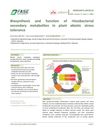
 Rhizobacterial strain RT3 helps lettuce survive drought by producing protective substances like proline.
546 citations
,
February 2008 in “PLANT PHYSIOLOGY” OsPHR2 gene causes excessive phosphate in rice shoots, affecting plant growth and root development.
September 2017 in “Griffith Research Online (Griffith University, Queensland, Australia)” Blocking IL-17 can reduce joint inflammation in Ross River Virus infections.
 26 citations
,
April 2019 in “Advances in wound care”
26 citations
,
April 2019 in “Advances in wound care” Tannic acid helps wounds heal faster in rats by activating certain cell signals and reducing inflammation.
January 2023 in “Cutaneous and Ocular Toxicology”  4 citations
,
January 2025 in “Translational Psychiatry”
4 citations
,
January 2025 in “Translational Psychiatry” Remote photobiomodulation improves brain injury outcomes and behavior in rats.
 17 citations
,
January 2021 in “Agrobiological Records”
17 citations
,
January 2021 in “Agrobiological Records” Allethrin caused harmful effects and organ damage in rats, worsening with higher doses and longer exposure.
 December 2024 in “Journal of Applied Toxicology”
 High doses of dihydroartemisinin caused reversible liver toxicity in rats, with females more affected than males.