Ribonucleotide excision repair is crucial to prevent skin cancer.
Ribonucleotide excision repair is crucial to prevent skin cancer.
May 2005 in “Molecular Carcinogenesis” mrp/plf-mRNA can indicate tumor-promoting effects in skin.
January 2007 in “Edward Elgar eBooks” TSPO might help treat anxiety and depression.
January 2018 in “Journal of analytical, bioanalytical and separation techniques”  1 citations
,
December 2018 in “Journal of genetic medicine”
1 citations
,
December 2018 in “Journal of genetic medicine” A small change in the TRPS1 gene leads to a less severe form of a syndrome affecting hair, nose, and finger development.
13 citations
,
August 2000 in “Blood” Measuring minimal residual disease on day 15 helps identify high-risk leukemia patients.
January 2020 in “Archivio Istituzionale della Ricerca (Universita Degli Studi Di Milano)” Polycomb Repressive Complex 1 is crucial for keeping stem cells stable and maintaining healthy adult tissues.
 12 citations
,
June 2019 in “Psychoneuroendocrinology”
12 citations
,
June 2019 in “Psychoneuroendocrinology” Allopregnanolone is needed for certain brain processing issues caused by D1 dopamine receptor activation.
January 2013 in “Chinese Journal of Hospital Pharmacy” A reliable method was developed to measure perospirone levels in human plasma for clinical use.
 April 2019 in “Journal of Investigative Dermatology”
 Non-coding RNA boosts retinoic acid production and signaling, aiding regeneration.

A new compound from Royoporus badius activates immune cells and induces inflammatory responses.
21 citations
,
January 2006 in “Hormone Research in Paediatrics” A mutation in the VDR gene affects hair cycling without needing ligand binding.
 January 2024 in “Wiadomości Lekarskie”
 Point of Care in radiology speeds up diagnosis and treatment by performing tests where the patient is.
52 citations
,
July 2011 in “PubMed” TRPS1 is crucial for bone, kidney, and hair follicle development.
 8 citations
,
May 2022 in “Orphanet Journal of Rare Diseases”
8 citations
,
May 2022 in “Orphanet Journal of Rare Diseases” The UD-PrOZA program successfully diagnosed 18% of adult patients with rare diseases, often using genetic testing.
January 2024 in “Animals” SP1 promotes and KROX20 inhibits hair cell growth by affecting the CUX1 gene.
 10 citations
,
July 2022 in “The journal of investigative dermatology/Journal of investigative dermatology”
10 citations
,
July 2022 in “The journal of investigative dermatology/Journal of investigative dermatology” Human nails and hair follicles have similar gene activity, especially in the cells that contribute to their growth and development.
 6 citations
,
August 2023 in “BMC genomics”
6 citations
,
August 2023 in “BMC genomics” The study found that genetic differences related to hair growth and other traits help cashmere goats adapt to high-altitude environments.
2 citations
,
November 2024 in “PLoS ONE” Genomic prediction can improve breeding strategies for Korean Sapsaree dogs.
2 citations
,
September 2023 in “International journal of molecular sciences” Special proteins are important for skin balance, healing, and aging, and affect skin stem cells.
October 2025 in “Cosmetics” Genetic insights can lead to personalized treatments for acne, androgenetic alopecia, and alopecia areata.
The FGF5 gene variant causes long hair in Akitas, and genetic testing is advised to manage coat length and welfare.
20 citations
,
December 2021 in “Journal of the American Academy of Dermatology” Continuous treatment with ritlecitinib and brepocitinib is needed to maintain hair regrowth in alopecia areata.
 16 citations
,
August 2022 in “Nature Communications”
16 citations
,
August 2022 in “Nature Communications” ROR2 is essential for hair follicle stem cell renewal and maintenance.
 103 citations
,
March 2015 in “Nature Communications”
103 citations
,
March 2015 in “Nature Communications” A genetic region near the PAX1 gene is linked to a higher risk of scoliosis in females.
RXR and RAR proteins in skin may help with cell growth, hair growth, and gland function.
 November 2022 in “The journal of investigative dermatology/Journal of investigative dermatology”
 Different types of PPARγ are found in varying amounts in human skin and its parts, which could affect how skin treatments work.
50 citations
,
December 2005 in “European Journal of Immunology” RXRα is crucial for proper immune response and links diet to immune function.
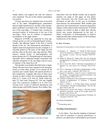 January 1999 in “Journal of the European Academy of Dermatology and Venereology”
 RAPK is a rare skin disorder with pigmented spots, mainly on hands and feet, starting in youth.