 60 citations
,
August 2008 in “Human molecular genetics online/Human molecular genetics”
60 citations
,
August 2008 in “Human molecular genetics online/Human molecular genetics” A position effect on the TRPS1 gene causes excessive hair growth in humans and mice.
April 2024 in “Anais Brasileiros de Dermatologia”  July 2025 in “SKIN The Journal of Cutaneous Medicine”
 Ritlecitinib is generally safe for alopecia areata patients over 72 months.
 October 2023 in “Skin research and technology”
 The 675 nm laser effectively improved facial acne scars in dark skin with minimal side effects.
September 2012 in “DOAJ (DOAJ: Directory of Open Access Journals)” D-004 shows moderate antidepressant effects but is less effective than Sertraline and Imipramine.
3 citations
,
October 2024 in “Animals” An allele of the KRTAP13-2 gene may improve wool quality in sheep.
September 2024 in “Journal of Ethnopharmacology” Terminalia bellirica extracts effectively promote hair regrowth and treat androgenetic alopecia.
 August 2026 in “Bone and Joint Research”
 TTT speeds up diabetic wound healing by mobilizing specific immune cells.
3 citations
,
September 2023 in “Prostate Cancer and Prostatic Diseases”  February 2009 in “Journal of The American Academy of Dermatology”
 Fractional infrared technology is effective and safe for treating cervical laxity.
May 2025 in “CPT Pharmacometrics & Systems Pharmacology” A 50 mg non-loading dose of ritlecitinib is safe for adults and adolescents.
 November 2022 in “Journal of Investigative Dermatology”
 Some people with schwannomatosis have a new type of mutation in the LZTR1 gene.
 286 citations
,
April 2009 in “The journal of neuroscience/The Journal of neuroscience”
286 citations
,
April 2009 in “The journal of neuroscience/The Journal of neuroscience” TRPA1 is crucial for mechanical sensitivity in skin sensory neurons.
 July 2005 in “SKINmed/Skinmed”
 BRL 7660, once studied for male contraception, showed promise as an acne treatment but was not developed further due to competing drugs.
 December 2022 in “Research Square (Research Square)”
 The QuantAnts machines can find cancer markers and create CRISPR targets for them.
 4 citations
,
February 2012 in “Chinese Science Bulletin”
4 citations
,
February 2012 in “Chinese Science Bulletin” The MtAnn3 gene affects root hair growth and is influenced by cytokinin.
![2-Deoxy-2-[18F]Fluoro-D-Glucose Positron Emission Tomography/Computed Tomography](/images/assets/35fab163-57b7-4db8-b1e0-2929b51b2144/small/60162.jpg) January 2016 in “Electronic Theses of LMU Munich (Ludwig-Maximilians-Universität München)”
January 2016 in “Electronic Theses of LMU Munich (Ludwig-Maximilians-Universität München)” FDG PET/CT can improve cancer treatment plans in dogs.
 May 2022 in “European medical journal”
 An 11-year-old girl with Trichotillomania developed a large hairball in her stomach, treated with medication, therapy, and family education.
19 citations
,
June 2010 in “Journal of acupuncture and meridian studies” A plant extract was found to effectively block an enzyme related to male hormone-related diseases.
 7 citations
,
July 2020 in “Immunological Investigations”
7 citations
,
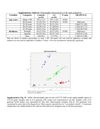
July 2020 in “Immunological Investigations” The rs231775 genetic variant is linked to a higher risk and severity of Alopecia Areata in males.
 January 2025 in “Dermatology Review”
 Trichilemmal carcinoma is rare, usually benign after removal, but needs close follow-up due to recurrence risks.
PLX, a tomato extract mix, may help treat prostate issues like BPH.
 January 2012 in “heiDOK (Heidelberg University)”
 Dormant melanoma cells in mice interact minimally with memory T cells due to a suppressive tumor environment.
2 citations
,
May 1985 in “Environmental Health Perspectives” Chlorinated compounds like TCDD can cause skin issues and chloracne by affecting cell behavior.
 February 2023 in “Cosmoderma”
 Combining red LED therapy with beta-carotene is more effective for treating photoaging than red LED therapy alone.
October 2015 in “Journal of the East Asian Society of Dietary Life” Curcuma longa L. may help reduce prostate inflammation.
 27 citations
,
August 2014 in “Journal of Cosmetic and Laser Therapy”
27 citations
,
August 2014 in “Journal of Cosmetic and Laser Therapy” Different lasers and radiofrequency affect skin differently, important for dermatologists to choose the right treatment.
March 2009 in “European Urology Supplements” September 2019 in “The journal of investigative dermatology/Journal of investigative dermatology” A new mutation in the STING protein causes a disease with lupus-like symptoms and responds well to a specific inhibitor treatment.