 April 2016 in “Journal of Urology and Nephrology Open Access”
 Thermobalancing Therapy can treat enlarged prostate and improve men's quality of life.
 February 2023 in “JAAD case reports”
 Reducing immunosuppression and using antiviral creams improved the woman's skin condition.
 3 citations
,
August 2024 in “Frontiers in Oncology”
3 citations
,
August 2024 in “Frontiers in Oncology” Targeted radionuclide therapy shows promise for improving head and neck cancer treatment but needs more research.
 February 2024 in “Journal of medical science and clinical research”
 Radiotherapy effectively treated a large scalp tumor in an elderly woman, avoiding surgery.
 30 citations
,
August 2018 in “Dermatology and Therapy”
30 citations
,
August 2018 in “Dermatology and Therapy” Better-designed, long-term studies are needed to optimize treatment for trichotillomania and trichophagia.
4 citations
,
July 2024 in “Pharmacology Research & Perspectives” Ritlecitinib is safe and may effectively treat alopecia areata.
May 2018 in “KU ScholarWorks (The University of Kansas)” Targeting 5α-reductase type 1 may help manage Tourette-like symptoms.
 October 2025 in “Cermin Dunia Kedokteran”
 Early detection, prevention, and proper management can reduce TB-IRIS complications and deaths in HIV patients.
2 citations
,
June 2024 in “Dermatology” Ritlecitinib improves hair regrowth satisfaction in alopecia areata patients.
 November 2025 in “International Journal Of Ayurvedic And Herbal Medicine”
 A multidisciplinary approach effectively improves trichotillomania without side effects.
 1 citations
,
May 2026 in “Nature Communications”
1 citations
,
May 2026 in “Nature Communications” CD19-CAR T cell therapy may help regenerate skin in systemic sclerosis.
15 citations
,
February 2015 in “Anais brasileiros de dermatologia/Anais Brasileiros de Dermatologia” Dermoscopy helps accurately diagnose temporal triangular alopecia, avoiding unnecessary treatments.
 February 2023 in “IntechOpen eBooks”
 Testosterone replacement therapy helps manage deficiency and has various methods, but requires careful monitoring to avoid side effects.
July 2024 in “Journal of Investigative Dermatology” ITK inhibitors may effectively treat alopecia areata.
August 2025 in “BMC Pharmacology and Toxicology” The LTF gene may help predict and manage nonspecific orbital inflammation.
 February 2026 in “Cureus”
 Testosterone therapy had limited benefits for a man with depression and suspected low testosterone, highlighting the need for careful diagnosis and treatment planning.
 January 2024 in “Research Square (Research Square)”
 Traditional Chinese medicine may help treat ischemic stroke by targeting specific genes and pathways.
19 citations
,
November 2015 in “Radiation Oncology” Hippocampus sparing whole brain radiation therapy prevents hair loss and preserves cognitive function.
 1 citations
,
January 2016 in “ARC Journal of Urology”
1 citations
,
January 2016 in “ARC Journal of Urology” Thermobalancing therapy is safe and effective for treating enlarged prostates.
20 citations
,
June 2003 in “Neurology” Tacrolimus and corticosteroids can improve symptoms of Satoyoshi syndrome.
January 2026 in “International Journal of Dermatology” Ritlecitinib helps hair regrowth and reduces emotional and functional burdens in alopecia areata.
15 citations
,
January 2025 in “Journal of the European Academy of Dermatology and Venereology” Ritlecitinib is effective and safe for treating alopecia areata, promoting significant hair regrowth.
22 citations
,
March 2017 in “Transplant Infectious Disease” Leflunomide successfully treated a rare skin condition in a liver transplant patient.
RCVS should be considered in thunderclap headaches, and MRA and DSA are better for diagnosis than CT angiogram.
23 citations
,
October 2024 in “British Journal of Dermatology” Ritlecitinib effectively treats alopecia areata and is safe for long-term use in people 12 and older.
Renshen Yangrong Tang is effective for treating various disorders linked to qi and blood deficiency.
46 citations
,
May 2021 in “Stem Cell Research & Therapy” Strontium ranelate helps cartilage growth by blocking a specific cell pathway.
 18 citations
,
February 2006 in “Brain & development”
18 citations
,
February 2006 in “Brain & development” A patient with Satoyoshi syndrome improved with a treatment combining several medications, including carbamazepine and methotrexate.
 7 citations
,
June 2010 in “Journal of The American Academy of Dermatology”
7 citations
,
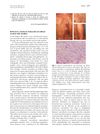
June 2010 in “Journal of The American Academy of Dermatology” Tranilast successfully treated a man's skin sarcoidosis when other treatments failed.
May 2015 in “UC Merced Undergraduate Research Journal” Behavioral therapies are more effective than drugs for treating trichotillomania.