RXR and RAR proteins in skin may help with cell growth, hair growth, and gland function.
 3 citations
,
September 2022 in “The journal of investigative dermatology/Journal of investigative dermatology”
3 citations
,
September 2022 in “The journal of investigative dermatology/Journal of investigative dermatology” Keratin 75 is important for fast wound healing and works with SOX2 and the LINC complex to help skin cells move and repair damage.
 196 citations
,
September 2016 in “JCI insight”
196 citations
,
September 2016 in “JCI insight” Ruxolitinib effectively regrows hair in most patients with severe hair loss.
The balance between cell renewal and differentiation controls the growth of cancerous cells in mouse skin.
 157 citations
,
December 2015 in “Journal of the American Academy of Dermatology”
157 citations
,
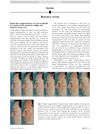
December 2015 in “Journal of the American Academy of Dermatology” A man with vitiligo and alopecia saw quick skin and hair improvement with ruxolitinib, but skin color gains were lost after stopping treatment.
15 citations
,
November 2020 in “Physiological reports” Sox6 is important in heart and kidney health, affecting diseases like diabetes, heart disease, and high blood pressure.
4 citations
,
March 2024 in “Developmental Dynamics” ALX4 is crucial for normal craniofacial and hair development, with specific roles in different cell types.
36 citations
,
March 2009 in “Molecular Carcinogenesis” Disrupting Bcl-xL in mice reduces skin cancer risk.
January 2019 in “Advances in stem cells and their niches” Krox20 is important for cell differentiation in the brain and hair follicles.
 51 citations
,
February 2009 in “Journal of dermatological science”
51 citations
,
February 2009 in “Journal of dermatological science” Pitx2 helps outer root sheath cells differentiate but can't start hair growth on its own.
96 citations
,
December 2015 in “JAMA dermatology” Topical Ruxolitinib may safely treat severe hair loss.
January 2018 in “Zurich Open Repository and Archive (University of Zurich)” 42 citations
,
August 1995 in “British journal of dermatology/British journal of dermatology, Supplement” RXR-alpha is strongly expressed in both normal and psoriatic skin and may help in skin cell differentiation and hair growth.
33 citations
,
May 2017 in “Journal of Clinical Oncology” ETC-159 was safe up to 30 mg, but no tumor shrinkage was seen.
Skin cells can naturally limit the growth of cancerous changes by balancing cell renewal and differentiation.
October 2025 in “Animals” miR-200a reduces goose fibroblast growth by targeting PITX2 in the Wnt pathway.
30 citations
,
June 2017 in “Journal of cutaneous medicine and surgery” Topical ruxolitinib failed to regrow hair in a 66-year-old with alopecia areata.
ETS2 is crucial in squamous cell carcinoma development and could be a therapeutic target.
 November 2020 in “bioRxiv (Cold Spring Harbor Laboratory)”
 Dermal EZH2 controls skin cell growth and differentiation in mice.
 6 citations
,
June 2021 in “Developmental biology”
6 citations
,
June 2021 in “Developmental biology” Dermal EZH2 controls skin cell development and hair growth in mice.
 1 citations
,
September 2021 in “Cureus”
1 citations
,
September 2021 in “Cureus” The rs1128977 gene variant may affect cholesterol and body measurements.
29 citations
,
June 2015 in “Kidney International” Disrupting the Flcn gene in mice causes early kidney cysts and tumors, which can be treated with rapamycin.
14 citations
,
April 2013 in “Journal of dermatological science” Hairless protein reduces Msx2 gene activity, affecting hair follicle development.
 June 2025 in “Theranostics”
 Rapamycin-primed exosomes can significantly boost hair regrowth.
 11 citations
,
January 2012 in “Journal of cell science”
11 citations
,
January 2012 in “Journal of cell science” Rac1 is essential for proper hair structure and color.
 19 citations
,
March 2018 in “Journal of Investigative Dermatology”
19 citations
,
March 2018 in “Journal of Investigative Dermatology” The gene Msx2 is crucial for hair follicle regeneration during wound healing.
January 2005 in “Enlighten: Publications (The University of Glasgow)” Melanocyte pathology requires keratinocyte hyperplasia and regulation dysfunction.
July 2017 in “OPAL (Open@LaTrobe) (La Trobe University)” High-throughput LC-MS screening is effective for finding new autotaxin inhibitors for asthma treatment.
December 2004 in “PLoS ONE” The Foxn1(-/-) phenotype disrupts hair growth and affects skin stem cells.
21 citations
,
August 2007 in “Experimental Dermatology” Overexpression of hurpin in mice leads to abnormal skin and higher skin cancer risk.