 November 2024 in “SKIN The Journal of Cutaneous Medicine”
 Ritlecitinib provides new treatment options for diverse alopecia areata patients.
 January 2025 in “Nanoscale”
 Boron/nitrogen-doped carbon nano-onions improve targeted breast cancer treatment by enhancing drug delivery and reducing side effects.
April 2026 in “Future Medicinal Chemistry” PROTACs have become a breakthrough in medicine by effectively targeting and degrading specific proteins to treat diseases.
3 citations
,
October 2025 in “Cancer” PROTACs offer a new, precise way to treat cancer by breaking down harmful proteins.
 January 2004 in “Analytical Sciences: X-ray Structure Analysis Online”
 The document explains how to make a compound called 3.BETA.-Benzoyloxy-4-pregnen-16.ALPHA.,17.ALPHA.-epoxy-6,20-dione and describes its crystal structure.
 12 citations
,
May 2015 in “Molecular Medicine Reports”
12 citations
,
May 2015 in “Molecular Medicine Reports” Troxerutin helps protect skin cells from oxidative stress and may be good for treating hair loss.
7 citations
,
May 2023 in “Nanomaterials” Titanium dioxide nanoparticles may harm the male reproductive system.
June 2025 in “British Journal of Dermatology” Ritlecitinib may cause serious side effects like blood clots in alopecia areata patients.
April 2012 in “Neuropediatrics” Trichothiodystrophy is a rare genetic disorder causing hair issues and sometimes linked to DNA repair defects.
November 2025 in “Journal of Investigative Dermatology”  December 2023 in “Journal of ethnopharmacology”
 Tribuloside can increase skin pigmentation by enhancing melanin production and distribution.
4 citations
,
September 2025 in “Journal of the American Academy of Dermatology” January 2015 in “Journals & Books Hosting (International Knowledge Sharing Platform)” Compound 1 showed promising anticancer activity.
March 2022 in “Oncology Times” Tebentafusp-tebn improves survival rates in uveal melanoma patients but has common side effects like rash and fatigue.
November 2023 in “SKIN The Journal of Cutaneous Medicine” Ritlecitinib effectively maintains hair regrowth in alopecia areata patients.
22 citations
,
September 1986 in “Journal of Investigative Dermatology” Low-dose topical alpha-terthienyl may be a safer option for treating skin conditions with light therapy.
21 citations
,
March 2021 in “Molecules” The new formulation greatly improved quercetin absorption in rats.
September 2024 in “Annals of Medicine and Surgery” Ritlecitinib is the first FDA-approved pill for treating significant hair loss in alopecia areata patients aged 12 and up.
May 1962 in “Zhurnal Fizicheskoi Khimii (U.S.S.R.) For English translation see Russ. J. Phys. Chem. (Engl. Transl.)” PCOS causes hormonal imbalances and health issues like infertility and heart disease.
 April 2023 in “The journal of investigative dermatology/Journal of investigative dermatology”
 A PTH-based treatment improved hair regrowth better than ruxolitinib in a mouse model of hair loss.
 March 2024 in “Organic letters”
 A new method efficiently modifies alkenes to create useful medicinal compounds.
1 citations
,
November 2025 in “American Journal of Clinical Dermatology” Ritlecitinib is generally safe for long-term use in treating alopecia areata.
 3 citations
,
October 2024 in “Advances in Therapy”
3 citations
,
October 2024 in “Advances in Therapy” Triptorelin effectively treats central precocious puberty in Chinese children with minimal side effects.
Ritlecitinib improves hair regrowth in alopecia areata without increasing adverse risks.
60 citations
,
August 2022 in “ESMO Open” Trastuzumab deruxtecan is effective for HER2-positive breast cancer but requires careful management of side effects.
31 citations
,
January 1989 in “The Prostate/The prostate” Estradiol and castration reduced prostate cancer development in rats when applied at early stages, but were ineffective after cancer was established.
14 citations
,
January 2022 in “Evidence-based Complementary and Alternative Medicine” Cryptotanshinone may help treat postmenopausal osteoporosis and protect kidneys.
 March 2019 in “Journal der Deutschen Dermatologischen Gesellschaft”
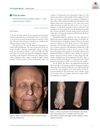
 Rothmund-Thomson syndrome type 2 can cause chronic, poorly healing wounds.
2 citations
,
June 1985 in “PubMed” Ethylenthiourea is toxic to the liver and nervous system, especially with alcohol.
13 citations
,
November 2021 in “Frontiers in Molecular Biosciences” Reducing reactive oxygen species can help treat nerve damage from platinum cancer drugs.