 15 citations
,
December 2014 in “Dermatology and therapy”
15 citations
,
December 2014 in “Dermatology and therapy” Sorafenib can cause facial acne-like eruptions, which improve after reducing the dose or stopping the drug.
June 2025 in “Revista Foco” JAK inhibitors effectively treat severe alopecia areata with manageable side effects.
August 2022 in “Journal of Investigative Dermatology” Baricitinib reduces inflammation and mitochondrial damage in skin cells.
June 2025 in “Journal of Cutaneous Medicine and Surgery” February 2025 in “JDDG Journal der Deutschen Dermatologischen Gesellschaft” Deucravacitinib helped a man regrow hair and improve psoriasis.
 April 2016 in “Journal of the American Academy of Dermatology”
 Tofacitinib helped a person with total body hair loss grow hair again without bad side effects.
1 citations
,
April 2025 in “Skin Health and Disease” Abrocitinib is being evaluated for safety and effectiveness in treating moderate to severe atopic dermatitis.
 1 citations
,
January 2023 in “SAGE open medical case reports”
1 citations
,
January 2023 in “SAGE open medical case reports” A new treatment called deucravacitinib helped a patient with severe hair loss grow their hair back quickly.
2 citations
,
March 2010 in “Acta Biochimica Polonica” Raltitrexed conjugates are less potent than the free drug but more effective at high concentrations.
 September 2025 in “Arthritis Research & Therapy”
 BMS-470539 reduces skin fibrosis and inflammation.
1 citations
,
September 2025 in “JAAD reviews.” Janus kinase inhibitors are effective for severe alopecia areata, promoting hair regrowth.
 44 citations
,
October 2017 in “Journal of the American Academy of Dermatology”
44 citations
,
October 2017 in “Journal of the American Academy of Dermatology” Tofacitinib is effective and safe for treating severe hair loss in Korean patients.
December 2025 in “Pediatric Dermatology” Trametinib can cause skin issues, but they can often be managed without stopping the drug.
4 citations
,
July 1987 in “Dermatologic Clinics” April 2025 in “International Journal of Dermatology” JAK inhibitors effectively reduce alopecia areata symptoms in Black patients.
December 2025 in “International Journal of Dermatology” Combining low-dose oral minoxidil with immunomodulators shows promise for treating alopecia areata but needs more research.
5 citations
,
May 2025 in “Journal of the American Academy of Dermatology” August 2024 in “Indian Journal of Dermatology Venereology and Leprology” 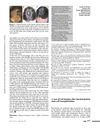 May 2018 in “European Journal of Dermatology”
 Adjusting the medication tacrolimus resolved a boy's red nail beds after a stem cell transplant.
January 2021 in “Research Portal Denmark” Tofacitinib helped a man with alopecia totalis regrow all his hair.
 136 citations
,
April 2013 in “Clinical Cancer Research”
136 citations
,
April 2013 in “Clinical Cancer Research” The drug IPI-926 is safe at 160 mg daily and may help treat certain tumors, especially basal cell carcinoma.
8 citations
,
January 2023 in “Indian Dermatology Online Journal” Baricitinib effectively treats certain skin conditions but may have serious side effects.
10 citations
,
January 2023 in “SAGE Open Medical Case Reports” Upadacitinib may effectively treat both alopecia universalis and Crohn's disease.
36 citations
,
June 2016 in “Journal of dermatological treatment” The combination therapy significantly improved Riehl’s melanosis in patients without serious side effects.
 8 citations
,
August 2015 in “European Journal of Clinical Pharmacology”
8 citations
,
August 2015 in “European Journal of Clinical Pharmacology” Rivaroxaban may cause hair loss.
May 2025 in “International Journal of Trichology” Topical tofacitinib may help regrow hair in children with alopecia totalis.
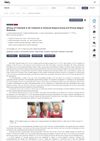
Tofacitinib may effectively treat hair loss and improve symptoms in autoimmune conditions like alopecia areata and Sjögren's syndrome, but long-term treatment might be necessary.
 April 2023 in “The journal of investigative dermatology/Journal of investigative dermatology”
 JAK inhibitors help hair growth by boosting beta-catenin activity in hair root cells.
 October 2013 in “Journal of Investigative Dermatology”
 Collagen VII helps skin heal and stay strong, sirolimus may lower skin cancer risk in kidney transplant patients, high-molecular-mass hyaluronan helps naked mole rats resist cancer, dermal γδ T cells aid in hair growth in rodents, and overexpression of IL-33 in mouse skin causes itchiness, offering a model for studying allergic inflammation treatments.
 December 2024 in “Frontiers in Pediatrics”
 Baricitinib improved platelet counts and alopecia in a 16-year-old with chronic immune thrombocytopenia.