 45 citations
,
December 2006 in “Biopolymers”
45 citations
,
December 2006 in “Biopolymers” Permanent waving weakens hair by altering its protein structure.
 4 citations
,
January 2018 in “International Journal of Trichology”
4 citations
,
January 2018 in “International Journal of Trichology” A rare genetic disease causes sparse hair and early blindness due to a gene mutation.
24 citations
,
January 2018 in “Development” Frizzled 3 and Frizzled 6 together control the orientation of mouse hair follicles.
20 citations
,
April 2000 in “Experimental dermatology” ODC transgenic mice can model human hair loss with skin lesions.
215 citations
,
September 2003 in “Journal of Biological Chemistry” Vitamin D receptor and hairless protein are essential for hair growth.
 1 citations
,
September 2020 in “Journal of Dermatological Science”
1 citations
,
September 2020 in “Journal of Dermatological Science” The gene LRRC15 is more active in balding areas of the scalp compared to non-balding areas.
147 citations
,
October 2021 in “Cancer Communications” RC48 shows promise for treating certain advanced cancers, but more research is needed.
 17 citations
,
January 2011 in “Indian journal of dermatology, venereology, and leprology”
17 citations
,
January 2011 in “Indian journal of dermatology, venereology, and leprology” A rare genetic skin condition usually affecting males was found in a 9-year-old girl.
88 citations
,
August 1998 in “Carcinogenesis” High levels of ODC and a mutant Ha-ras gene cause tumors in mice.
4 citations
,
September 2016 in “World Rabbit Science” High wool density in Rex rabbits is linked to specific gene activity affecting hair follicle development.
 March 2024 in “Poster presentations”
 A woman with lupus and Kikuchi-Fujimoto disease improved with treatment.
July 2020 in “Faculty Opinions – Post-Publication Peer Review of the Biomedical Literature” September 2021 in “Dermatologic Surgery”  108 citations
,
October 2009 in “Javma-journal of The American Veterinary Medical Association”
108 citations
,
October 2009 in “Javma-journal of The American Veterinary Medical Association” Foals with Rhodococcus equi infection often have other health problems that lower their chances of survival.
 April 2018 in “Journal of Investigative Dermatology”
 The new protocol using Cellutome™ and RCM safely assesses wound healing in detail.
 9 citations
,
November 2021 in “Current Opinion in Genetics & Development”
9 citations
,
November 2021 in “Current Opinion in Genetics & Development” Wounds can cause new hair growth in adult mice, influenced by Wnt signaling.
August 2009 in “Mechanisms of Development”  53 citations
,
May 2010 in “Journal of Cellular Physiology”
53 citations
,
May 2010 in “Journal of Cellular Physiology” Mice without Vitamin D receptors have hair growth problems because of issues in the hedgehog signaling pathway.
 157 citations
,
December 2015 in “Journal of the American Academy of Dermatology”
157 citations
,
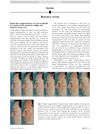
December 2015 in “Journal of the American Academy of Dermatology” A man with vitiligo and alopecia saw quick skin and hair improvement with ruxolitinib, but skin color gains were lost after stopping treatment.
4 citations
,
April 2012 in “The journal of investigative dermatology/Journal of investigative dermatology” Krt16-deficient mice help understand skin disorders like PC and FNEPPK.
7 citations
,
March 1931 in “Experimental Biology and Medicine” Iron deficiency causes hair loss in white rats and mice.
 37 citations
,
August 2014 in “Journal of experimental botany”
37 citations
,
August 2014 in “Journal of experimental botany” A gene in Arabidopsis thaliana, AtPRPL1, affects root hair length but not cell wall composition.
December 2025 in “Journal of Human Immunity” JAK inhibitors may help improve symptoms in adults with APECED.
89 citations
,
March 1996 in “Proceedings of the National Academy of Sciences” CD18-deficient mice developed psoriasis-like skin disease, useful for studying inflammatory skin disorders.
 August 2025 in “International Journal of Research in Dermatology”
 Increasing zinc intake improved skin and hair symptoms in a rare genetic disorder.
April 2012 in “Neuropediatrics” Trichothiodystrophy is a rare genetic disorder causing hair issues and sometimes linked to DNA repair defects.
 144 citations
,
August 2019 in “Cells”
144 citations
,
August 2019 in “Cells” The WNT signaling pathway is important in many diseases and targeting it could offer new treatments.
November 2025 in “Journal of Investigative Dermatology” Radiation-induced hair loss may be caused by hair growth stopping and inflammation in blood vessels.
Ritlecitinib can reduce inflammation and help hair regrow in Alopecia Areata.
June 2026 in “Precision medicine and engineering.” The hydrogel dressing RD@PVA helps heal diabetic wounds by reducing stress and improving blood vessel growth.