 May 2017 in “Journal of The American Academy of Dermatology”
 A woman with a skin disorder was found to have hepatitis C, which may be linked, and was safely treated with methotrexate.
 April 2016 in “Journal of Investigative Dermatology”
 Blocking Oncostatin M's role in the JAK-STAT pathway can stimulate hair growth in mice.
 April 2016 in “Journal of Investigative Dermatology”
 Double-stranded RNA activates a pathway that causes a skin protein to be expressed in the wrong place.
 April 2016 in “Journal of Investigative Dermatology”
 Blocking Prostaglandin D₂ (PGD₂) could help treat hair loss.
 April 2016 in “Journal of Investigative Dermatology”
 Gypenosides from Gynostemma pentaphyllum were found to have anti-aging effects, increasing skin collagen and reducing wrinkles.
 March 2005 in “Journal of the American Academy of Dermatology”
 Bexarotene 1% topical gel helped some patients with alopecia areata regrow hair.
 17 citations
,
June 2017 in “Gene”
17 citations
,
June 2017 in “Gene” A rare genetic mutation found in an Indian family can be detected through prenatal screening.
5 citations
,
May 2022 in “Diagnostics” Certain genetic markers can indicate higher or lower risk for systemic lupus erythematosus.
 September 2023 in “Journal of The American Academy of Dermatology”
 Raman spectroscopy is promising for measuring and enhancing drug delivery in alopecia treatments.
 1 citations
,
December 2018 in “Journal of genetic medicine”
1 citations
,
December 2018 in “Journal of genetic medicine” A small change in the TRPS1 gene leads to a less severe form of a syndrome affecting hair, nose, and finger development.
April 2024 in “Anais Brasileiros de Dermatologia” 1 citations
,
August 2015 in “AACE Clinical Case Reports” A new gene mutation causes complete androgen insensitivity in a 16-year-old with a female appearance.
2 citations
,
June 2024 in “Dermatology” Ritlecitinib improves hair regrowth satisfaction in alopecia areata patients.
 9 citations
,
July 2020 in “Journal of Animal Physiology and Animal Nutrition”
9 citations
,
July 2020 in “Journal of Animal Physiology and Animal Nutrition” Melatonin given to pregnant rabbits improved their babies' fur quality.
 November 2023 in “ACS Omega”
 New liposome treatment successfully delivers CRISPR to deactivate a key enzyme in androgen-related disorders.
 July 2016 in “Experimental Dermatology”
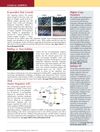
 New treatments for hair growth and psoriasis may be possible, and gene differences could affect baldness and the severity of skin conditions.
 September 2024 in “Journal of Medicine and Life”
 A specific gene mutation causes a severe skin disorder in a family.
 August 2019 in “Research Square (Research Square)”
 Certain long non-coding RNAs in cashmere goats affect hair growth when treated with a specific growth factor.
March 2026 in “Journal of the American Academy of Dermatology” June 2026 in “British Journal of Dermatology” Ritlecitinib is effective and safe for treating alopecia areata, especially in newer cases.
January 2020 in “Columbia Academic Commons (Columbia University)” Certain genetic changes in the STX17 and KRT82 genes contribute to hair loss in alopecia areata.
 March 2025 in “Clinical Cosmetic and Investigational Dermatology”
 The Tru9I variant in the VDR gene may influence alopecia areata risk and vitamin D levels.
 20 citations
,
December 1995 in “International Journal of Pharmaceutics”
20 citations
,
December 1995 in “International Journal of Pharmaceutics” Liposomes can make the antiandrogen RU 58841 more effective for skin application by reducing absorption, increasing skin retention, and targeting sebaceous structures.
5 citations
,
February 2025 in “Pediatric Dermatology” Ritlecitinib was generally well tolerated in children with alopecia areata.
9 citations
,
October 1947 in “The Lancet” 1 citations
,
November 1947 in “The Lancet”  November 2022 in “Gigascience”
 A specific genetic deletion in goats affects cashmere yield and thickness.
7 citations
,
July 2023 in “Immunotherapy” Ritlecitinib works well and is safe for treating alopecia areata.
January 2026 in “International Journal of Dermatology” Ritlecitinib helps hair regrowth and reduces emotional and functional burdens in alopecia areata.