 May 2024 in “Scientific Reports”
 Androgen receptors in the mouse brain may explain cognitive and mood changes in prostate cancer treatment.
 March 2024 in “Skin research and technology”
 High CRP levels could indicate vitamin D deficiency in people with alopecia areata.
 10 citations
,
February 2008 in “Photochemistry and photobiology”
10 citations
,
February 2008 in “Photochemistry and photobiology” Vitamin D receptor can control the hairless gene linked to hair loss even without vitamin D.
 October 2023 in “Naunyn-Schmiedeberg's Archives of Pharmacology”
 Custom software found that common allergy drugs might have new uses for various conditions and could improve survival in some cancers.
1 citations
,
August 2024 in “British Journal of Dermatology” Ritlecitinib effectively promotes hair regrowth in alopecia areata patients, even with extensive hair loss.
 9 citations
,
January 2023 in “International Journal of Biological Sciences”
9 citations
,
January 2023 in “International Journal of Biological Sciences” CTHRC1 is essential for healing and preventing heart rupture after a heart attack.
3 citations
,
January 2023 in “Clinical cancer investigation journal” Some cannabinoid derivatives may be more effective than current drugs at targeting proteins relevant to prostate cancer treatment.
 1 citations
,
April 1987 in “American Journal of Nursing”
1 citations
,
April 1987 in “American Journal of Nursing” Some drugs can cause serious side effects, like hypoglycemia from mix-ups, skin reactions, or depression, and while penicillamine may help rheumatoid arthritis more than auranofin, it has more severe side effects.
 May 2025 in “Journal of Nanobiotechnology”
 The gel improves hair regrowth and reduces irritation in alopecia areata treatment.
Heated radish extract may help lighten skin and reduce aging signs.
 April 2024 in “bioRxiv (Cold Spring Harbor Laboratory)”
 A gene network led by RSL4 is crucial for early root hair growth in response to cold in Arabidopsis thaliana.
10 citations
,
October 2018 in “Journal of molecular and cellular cardiology/Journal of Molecular and Cellular Cardiology” The gene NM_026333 slows down aging by affecting the NCX1 pathway and could be targeted for anti-aging treatments.
November 2010 in “International Journal of Dermatology and Venereology” EGFR inhibitors can cause skin issues, and managing these is important for treatment success.
January 2007 in “日本看護学会抄録集 成人看護1” Certain amino acids in 5AR1 and 5AR2 are crucial for binding and resistance to Finasteride.
September 2024 in “Dermatologica Sinica” Ponatinib can cause a rare skin reaction that resolves with topical treatment and temporary drug discontinuation.
5 citations
,
April 2016 in “PubMed” Cetuximab often causes skin problems, but they can be managed without stopping treatment.
July 2024 in “Journal of Investigative Dermatology” CD8+ T cells expand significantly in alopecia areata, suggesting new treatment targets.
September 2023 in “Journal of the American Academy of Dermatology” Ixekizumab is safe for long-term use with low rates of major heart-related events.
2 citations
,
December 2023 in “Stem Cells Translational Medicine” ISX-9 helps stem cells heal lung injury better by boosting growth factor secretion.
18 citations
,
January 2015 in “Experimental Dermatology” New mutations in KRT83 and KRT86 are linked to the hair disorder monilethrix.
2 citations
,
October 2023 in “Cancer Reports” Mitochondrial features can predict colorectal cancer outcomes and improve immunotherapy.
1 citations
,
April 2010 in “Cancer Research” WYE-130600 may cause skin thickening and irritation.
9 citations
,
October 1947 in “The Lancet” 1 citations
,
November 1947 in “The Lancet” 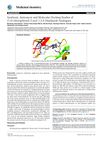 8 citations
,
January 2013 in “Medicinal chemistry”
8 citations
,
January 2013 in “Medicinal chemistry” The compound 4c showed strong potential as an anticancer agent.
 September 2019 in “Journal of Investigative Dermatology”
 Abrocitinib at 100 mg and 200 mg daily may significantly improve moderate-to-severe atopic dermatitis in patients 12 years and older.
 July 2018 in “Kidney international”
 Genetic testing for EGFR mutations is crucial in similar cases.
1 citations
,
May 2024 in “Preprints.org” Rex rabbit fur is best harvested at 120 days for optimal hair density and quality.
10 citations
,
January 2014 in “Journal of Pediatric Endocrinology and Metabolism” Three new gene mutations cause rickets and hair loss, treatable with high calcium and calcidol, but hair regrowth is rare.
5 citations
,
December 2023 in “Current Biology” A feedback loop between LRH and RSL4 controls root hair growth in Arabidopsis.