4 citations
,
August 2011 in “The Lancet Oncology” Off-label drug use can be risky and requires careful consideration to ensure patient safety.
January 2010 in “Journal of Oriental Medicine” Phellodendri Cortex Extract may help treat enlarged prostate.
 1 citations
,
January 2025 in “American Journal of Translational Research”
1 citations
,
January 2025 in “American Journal of Translational Research” PPARα agonists may help treat alopecia areata by reducing inflammation.
 December 2023 in “Journal of Ayub Medical College Abbottabad”
 Ritlecitinib effectively treats alopecia areata in patients 12 and older with fewer side effects.
87 citations
,
March 2013 in “Expert Review of Anticancer Therapy” Afatinib often causes skin problems that need proactive management.
March 2008 in “The Knowledge Bank (The Ohio State University)” SARM-induced changes in the androgen receptor are specific to each ligand and affect stability and protein interactions.
 September 2016 in “Journal of Dermatological Science”
 A gene mutation worsens skin irritation in mice due to a lack of certain fats.
November 2023 in “Biomolecules” The research showed that Vitamin D and its receptor are important for healthy bones and normal hair and skin in rats.
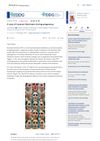 October 2023 in “Journal der Deutschen Dermatologischen Gesellschaft”
 Pregnancy can trigger severe rosacea, which may be treated with antibiotics and steroids, but there's no clear treatment guideline.
 1 citations
,
April 2019 in “Clinical Breast Cancer”
1 citations
,
April 2019 in “Clinical Breast Cancer” Medicines for enlarged prostate may raise the risk of breast growth and tenderness but not breast cancer.
3 citations
,
March 2025 in “Arthritis Research & Therapy” Combining fat grafts with botulinum toxin helps improve Raynaud's symptoms.
1 citations
,
January 2023 in “PubMed” Urtica dioica extract may help treat androgenic skin diseases by reducing a specific gene's activity.
 54 citations
,
November 2001 in “Urology”
54 citations
,
November 2001 in “Urology” The length of the CAG repeat in the androgen receptor gene affects the risk and progression of prostate cancer, BPH, infertility, and undermasculinized genitalia.
 December 2012 in “Canadian Urological Association Journal”
 5-alpha reductase inhibitors help treat prostate issues in aging men, but their role in cancer prevention is debated.
28 citations
,
March 2020 in “Journal of ethnopharmacology” Ginsenoside Rb1 slows down aging in mice by affecting cell growth, cell death, and metabolism.
January 2026 in “International Journal of Dermatology” Ritlecitinib helps hair regrowth and reduces emotional and functional burdens in alopecia areata.
December 2010 in “OhioLink ETD Center (Ohio Library and Information Network)” Sry may regulate fatty acid metabolism and shows different expression levels in rat tissues.
 9 citations
,
July 2017 in “Journal of medical case reports”
9 citations
,
July 2017 in “Journal of medical case reports” Ruxolitinib treatment may cause eyelash growth.
9 citations
,
March 2023 in “GeroScience”  4 citations
,
November 2022 in “Frontiers in endocrinology”
4 citations
,
November 2022 in “Frontiers in endocrinology” The enzyme 5α-reductase type 1 is important for blood vessel development and fertility in the uterus.
3 citations
,
November 2024 in “Clinical Research” Deuruxolitinib is FDA-approved for treating severe alopecia areata.
 March 2025 in “International Journal For Multidisciplinary Research”
 Computational techniques can improve drug development for treating certain conditions.
November 2023 in “Biology” N6-methyladenosine affects hair follicle development differently in Rex and Hycole rabbits.
 August 2015 in “Free Radical Biology and Medicine”
 Some treatments can improve skin's defense against damage, but overuse may cause other skin problems.
12 citations
,
August 2015 in “Experimental Dermatology” The mineralocorticoid receptor temporarily affects mouse skin development, but the glucocorticoid receptor has a more lasting impact.
15 citations
,
March 2015 in “PloS one” Scientists restored fertility in male mice lacking a key fertility gene by using a modified gene.
174 citations
,
July 2003 in “The Journal of Clinical Endocrinology & Metabolism” Five new mutations in the androgen receptor gene were found, helping to understand androgen insensitivity syndrome better.
11 citations
,
February 2023 in “British Journal of Pharmacology” Isoxazole 9 (ISX9) may help regrow hair by activating certain cell signals.
 10 citations
,
September 2019 in “Experimental Eye Research”
10 citations
,
September 2019 in “Experimental Eye Research” The enzyme RDH12 plays a role in vision and retinal disease, with mutations leading to early onset visual loss and blindness, but the exact disease mechanism is unclear and there are no treatments yet.
 31 citations
,
July 2004 in “Molecular Medicine”
31 citations
,
July 2004 in “Molecular Medicine” Certain defective glucocorticoid receptor mutants move faster inside cell nuclei and work less effectively.