 April 2023 in “Journal of Investigative Dermatology”
 Type 2 cytokines IL-4 and IL-13 increase skin's vulnerability to Staphylococcus aureus, which could be important for treating atopic dermatitis.
7 citations
,
March 2021 in “Journal of Investigative Dermatology” Lipases, especially gehB, are crucial for Staphylococcus aureus to enter and colonize hair follicles.
January 2026 in “British Journal of Dermatology” Staphylococcus aureus affects immune responses and skin cells in atopic dermatitis, suggesting new treatment targets.
 April 2018 in “Journal of Investigative Dermatology”
 Blocking α-toxin helps heal Staphylococcus aureus-infected wounds faster in both normal and diabetic mice, with different effects on their immune responses.
December 2004 in “Microbial Ecology in Health and Disease” Pityriasis amiantacea is linked to Staphylococcus aureus infection and can be effectively treated with antibiotics, corticosteroids, and coal tar.
 18 citations
,
November 2008 in “Disease-a-Month”
18 citations
,
November 2008 in “Disease-a-Month” A common cause of skin infections in the U.S. is a strain of bacteria resistant to certain antibiotics, and prevention focuses on cleanliness and avoiding close contact.
 1 citations
,
August 2017 in “British Journal of Dermatology”
1 citations
,
August 2017 in “British Journal of Dermatology” Sodium hypochlorite can effectively prevent and remove Staphylococcus aureus biofilms in atopic dermatitis at high enough concentrations.
Isotretinoin effectively improved severe pityriasis rubra pilaris with complications.
365 citations
,
November 2018 in “Journal of Allergy and Clinical Immunology” People with atopic dermatitis have different skin bacteria, and targeting these bacteria might help treat the condition.
 8 citations
,
January 2021 in “Smart materials in medicine”
8 citations
,
January 2021 in “Smart materials in medicine” The new hydrogel is good for wound dressing because it absorbs water quickly, has high porosity, can release drugs, fights bacteria, and helps wounds heal with less scarring.
 2 citations
,
March 2023 in “Frontiers in Bioengineering and Biotechnology”
2 citations
,
March 2023 in “Frontiers in Bioengineering and Biotechnology” CuSi nanowires with NIR photothermal properties could effectively treat infected wounds and promote healing.
 September 2024 in “South Eastern European Journal of Public Health”
 Alopecia areata patients have higher IgE and IL-13 levels, suggesting immune involvement.
 January 2022 in “Journal of pharmacognosy and phytochemistry”
 The polyherbal hair gel is effective against fungal infections and helps nourish hair and prevent graying.
 August 2023 in “International Journal of Molecular Sciences”
 The new hydrogel with zinc and polysaccharides improves wound healing and has antibacterial properties.
 January 2016 in “Dermatology Online Journal”
 Pregnant women with blisters should be checked for bullous impetigo.
48 citations
,
April 2019 in “PloS one” Alopecia areata patients have more Propionibacterium acnes and less Staphylococcus epidermidis on their scalps.
33 citations
,
September 2018 in “Frontiers in Microbiology” Human hair shafts inhibit Gram-positive bacteria growth but not Gram-negative bacteria.
 14 citations
,
September 2009 in “International Journal of Dermatology”
14 citations
,
September 2009 in “International Journal of Dermatology” DCPA is a chronic leg infection often related to Staphylococcus aureus, affecting mostly young men in India.
 July 2021 in “Journal of dermatology research and therapy”
 Using combined treatments can help manage acne by targeting the bacteria and skin changes that cause it.
 July 2018 in “British Journal of Dermatology”
 Hair regrowth was seen in 83% of children with alopecia, immune system plays a role in the condition, and various treatments showed effectiveness for hair and nail disorders.
September 2017 in “The journal of investigative dermatology/Journal of investigative dermatology” EGFR inhibitors cause skin issues and hair loss by weakening skin defenses, suggesting antibiotics and targeted treatments can help.
 August 2017 in “Journal of Investigative Dermatology”
 Activin increases skin tumor formation, skin Tregs help hair growth, lymph-node removal doesn't improve melanoma survival, cells can revert to stem cells in wound healing, and skin bacteria produce peptides that may treat infections.
 April 2017 in “Australasian Journal of Dermatology”
 Most patients with Lichen planopilaris improved with acitretin, but treatments often didn't work well; preventing infection in skin surgery is important, and bupivacaine might be a better anesthetic.
 April 2017 in “Journal of Investigative Dermatology”
 SIG-1451 could be a promising new treatment for atopic dermatitis.
 April 2017 in “Journal of Investigative Dermatology”
 SB414 may be an effective treatment for atopic dermatitis by reducing swelling and bacterial infection.
 April 2016 in “Journal of Investigative Dermatology”
 Retinoids change the fat content in skin oil and reduce bacteria growth, helping to treat acne.
 January 2025 in “Annals of Dermatology”
 PCA patients have more harmful bacteria and antibiotic resistance, needing specific testing for treatment.
 April 2026 in “Frontiers in Cell and Developmental Biology”
 Hair follicles in mice help detect and respond to germs.
July 2024 in “Journal of Investigative Dermatology” ATR04-484 ointment shows promise for treating skin issues from cancer therapies.
 22 citations
,
September 2019 in “ACS omega”
22 citations
,
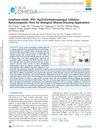
September 2019 in “ACS omega” The new nanocomposite films are stronger, protect against UV, speed up wound healing, and are antibacterial without being toxic.