 February 2026 in “Frontiers in Bioengineering and Biotechnology”
 Liposome-based systems improve skin wound healing effectively.
 February 2026 in “Frontiers in Medicine”
 FUE hair transplants are generally safe but require careful planning to avoid rare complications.
 February 2026 in “Clinical Cosmetic and Investigational Dermatology”
 Low humidity changes skin gene expression, but emollients can help manage these changes.
 January 2026 in “Frontiers in Molecular Biosciences”
 A new method helps diagnose alopecia areata using specific gene markers and could guide targeted treatments.
 January 2026 in “Frontiers in Natural Products”
 Combining shikimic acid and Prunus mume extract may effectively treat acne naturally.
 November 2025 in “Frontiers in Immunology”
 Stem cell activity influences autoimmune disease outcomes by affecting immune responses and tissue regeneration.
 July 2024 in “Medical alphabet”
 The SBN system effectively assesses alopecia areata severity and predicts its course.
 May 2024 in “International Journal For Multidisciplinary Research”
 The herbal hair cream helps protect and improve hair health.
 February 2024 in “Frontiers in physiology”
 Modifying certain signals in the body can help wounds heal without scars and regrow hair.
 December 2023 in “Jurnal Penelitian Pendidikan IPA”
 PRP heals pockmarked skin better than salmon DNA serum.
 November 2023 in “International journal of biology, pharmacy and allied sciences”
 Herbal treatments can help with hair problems, but more research is needed.
 November 2023 in “International Research Journal of Modernization in Engineering Technology and Science”
 Herbal shampoos clean and improve hair naturally without harmful side effects.
 October 2023 in “Biomedical science and engineering”
 Innovative methods are reducing animal testing and improving biomedical research.
 September 2023 in “Clinical, cosmetic and investigational dermatology”
 SLFC can improve scalp health and reduce sensitive scalp symptoms.
 July 2023 in “Frontiers in veterinary science”
 Certain long non-coding RNAs are important for controlling hair growth cycles in sheep.
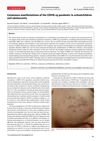 January 2023 in “Acta dermatovenerologica Alpina, Pannonica et Adriatica (Tiskana izd.)”
 The article concludes that schoolchildren and adolescents experienced various skin issues during the COVID-19 pandemic, including acne from masks and other skin reactions from the virus and vaccines.
 January 2023 in “Discovery immunology”
 T cells and bacteria in the gut and skin help maintain health and protect against disease.
Dermatology residents should learn LGBT needs and terms to provide better care.
 January 2022 in “Dermatology Review”
 Higher IL-31 levels are linked to worse itching in chronic kidney disease patients.
 May 2021 in “Dermatopathology”
 The review emphasizes the need to recognize skin conditions that affect hair follicles and sweat glands to avoid misdiagnosis.
 January 2020 in “Annals of the Academy of Romanian Scientists Series of Medicine”
 Folliculitis decalvans is a rare skin disease causing hair loss and requires personalized treatment.
 July 2018 in “Elsevier eBooks”
 Acne keloidalis nuchae is a chronic skin condition more common in African men, causing itchy or painful bumps and can lead to permanent hair loss if not treated early.
 June 2018 in “Disease-a-Month”
 Remove inflamed cysts surgically, avoid topical antibiotics on wounds, treat skin and mouth conditions with specific medications, and address underlying causes of hair loss.
 May 2018 in “Journal of Investigative Dermatology”
 Activating Wnt in skin cells controls the number of hair follicles by directing cell movement and fate.
 April 2018 in “Journal of Investigative Dermatology”
 DNMT3A is crucial for healthy skin and hair growth.
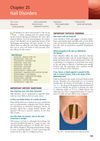 January 2018 in “Elsevier eBooks”
 Different nail disorders are treated by targeting their specific causes and using appropriate medications or protective measures.
 June 2017 in “Journal of The American Academy of Dermatology”
 Tapinarof cream at 1% concentration is effective and better tolerated for treating atopic dermatitis than the 2% concentration.
 June 2017 in “Journal of The American Academy of Dermatology”
 Teriflunomide often causes mild to moderate hair thinning and loss in MS patients, which usually improves with or without treatment.
 May 2017 in “Journal of The American Academy of Dermatology”
 An intact skin barrier is crucial to prevent infection in cases of tether-induced tenosynovitis.
 May 2017 in “Journal of The American Academy of Dermatology”
 595 nm pulsed dye laser is a cost-effective treatment for nonmelanoma skin cancer with a low recurrence rate.