 36 citations
,
January 2014 in “The Journal of Sexual Medicine”
36 citations
,
January 2014 in “The Journal of Sexual Medicine” Testosterone may help increase sexual events for women with low libido due to antidepressants.
 48 citations
,
July 2009 in “The Journal of Sexual Medicine”
48 citations
,
July 2009 in “The Journal of Sexual Medicine” DHEA did not improve sexual function, well-being, or menopausal symptoms in postmenopausal women with low libido but caused side effects like acne and increased facial hair.
 75 citations
,
February 2016 in “The Journal of Sexual Medicine”
75 citations
,
February 2016 in “The Journal of Sexual Medicine” Androgens play a role in female sexual function, and testosterone therapy can help women with low sexual desire, but more research is needed on treatments and long-term safety.
 1 citations
,
April 2006 in “Seminars in Reproductive Medicine”
1 citations
,
April 2006 in “Seminars in Reproductive Medicine” Androgen therapy might help some women with low libido, but it has risks and should be used carefully.
 22 citations
,
January 2015 in “The Cochrane library”
22 citations
,
January 2015 in “The Cochrane library” DHEA may help with sexual function when used intravaginally by menopausal women but is similar to hormone therapy in other aspects and might cause more side effects like acne and hair loss.
 9 citations
,
November 2008 in “Journal of Womens Health”
9 citations
,
November 2008 in “Journal of Womens Health” Researchers had trouble finding enough participants for a trial on DHEA's effects on postmenopausal women's sexual desire.
 59 citations
,
August 2004 in “Human Reproduction Update”
59 citations
,
August 2004 in “Human Reproduction Update” Testosterone replacement can help women with low libido and mood, but they need to have enough estrogen first to avoid side effects.
 9 citations
,
June 2002 in “Best Practice & Research in Clinical Obstetrics & Gynaecology”
9 citations
,
June 2002 in “Best Practice & Research in Clinical Obstetrics & Gynaecology” Testosterone therapy can help women with androgen deficiency by improving energy, sex drive, and bone health with few side effects.
July 2026 in “JEADV Clinical Practice” The SAAD-41 is a valid tool for assessing distress in people with Alopecia Areata.
June 2026 in “Value in Health”  4 citations
,
August 2019 in “Actas Dermo-Sifiliográficas”
4 citations
,
August 2019 in “Actas Dermo-Sifiliográficas” The Spanish HSS-29 scale effectively measures changes in life quality due to female-pattern hair loss.
 52 citations
,
March 2016 in “JAMA dermatology”
52 citations
,
March 2016 in “JAMA dermatology” Patients with PCOS rate their hirsutism higher than clinicians, and these self-ratings are more closely related to their quality of life and risk of depression.
8 citations
,
June 2023 in “British Journal of Dermatology” The SAAD-41 scale effectively measures the psychosocial impact of alopecia areata.
 10 citations
,
June 2010 in “Fertility and Sterility”
10 citations
,
June 2010 in “Fertility and Sterility” Patients with PCOS tend to score their hirsutism higher than clinicians, making self-scoring less useful for diagnosis.
19 citations
,
February 2018 in “International Journal of Endocrinology and Metabolism” The questionnaire is valid and reliable but needs more testing for future predictions.
 9 citations
,
January 2014 in “Postepy Dermatologii I Alergologii”
9 citations
,
January 2014 in “Postepy Dermatologii I Alergologii” The Polish Skindex-29 is a reliable and valid questionnaire for assessing the quality of life in Polish dermatology patients.
 1 citations
,
January 2024 in “Archives of Endocrinology and Metabolism”
1 citations
,
January 2024 in “Archives of Endocrinology and Metabolism” Self-assessed hirsutism scores are not reliable for clinical diagnosis but may help in screening.
 9 citations
,
March 2018 in “Actas Dermo-Sifiliográficas”
9 citations
,
March 2018 in “Actas Dermo-Sifiliográficas” The Spanish version of the Hair Specific Skindex-29 scale is a reliable and valid way to measure the impact of hair loss on women's quality of life.
 8 citations
,
March 2021 in “Medicine”
8 citations
,
March 2021 in “Medicine” The revised Chinese Symptom Checklist-90 is more reliable and valid for psychological assessments.
 April 2017 in “Journal of Investigative Dermatology”
 Psoriasis patients experience moderate functional impairment related to disease severity and less satisfaction.
 October 2022 in “Practice in Clinical Psychology”
 Addressing personal and moral aspects can improve sexual satisfaction.
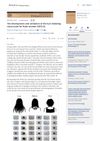 October 2023 in “The Journal of Dermatology”
 The HSVS-A is an effective tool for quickly screening hair shedding in Asian women.
 May 2018 in “Actas Dermo-Sifiliográficas”
 The Spanish version of the Hair Specific Skindex-29 is a reliable tool for measuring quality of life in Spanish-speaking women with hair loss.
8 citations
,
October 2021 in “The international journal of risk and safety in medicine” The document sets criteria for diagnosing long-term sexual dysfunctions caused by certain medications.
 2 citations
,
November 2020 in “Fertility Research and Practice”
2 citations
,
November 2020 in “Fertility Research and Practice” The survey helps identify menstrual irregularities and excess male hormones, aiming to detect conditions like Polycystic Ovary Syndrome.
 4 citations
,
December 2020 in “Neuropsychiatric Disease and Treatment”
4 citations
,
December 2020 in “Neuropsychiatric Disease and Treatment” Women with skin conditions who have body image concerns often experience mental health issues and a lower quality of life.
 June 2026 in “European Medical Journal”
 More severe hair loss is linked to more sexual dysfunction in both men and women.
 1 citations
,
November 2019 in “Actas Dermo-Sifiliográficas”
1 citations
,
November 2019 in “Actas Dermo-Sifiliográficas” The Spanish Hair-Specific Skindex-29 questionnaire effectively measures the quality of life impact of hair loss in Spanish-speaking women.
 1 citations
,
December 2016 in “The Journal of Sexual Medicine”
1 citations
,
December 2016 in “The Journal of Sexual Medicine” Many different biological, psychological, and social factors can cause sexual dysfunction in American women.
 March 2026 in “Mendeley Data”
 rwSALT accurately measures hair regrowth in alopecia areata using scalp photos.