Search
for
Sort by
Research
600-630 / 1000+ resultsresearch A fast liquid chromatographic/mass spectrometric screening method for the simultaneous detection of synthetic glucocorticoids, some stimulants, anti‐oestrogen drugs and synthetic anabolic steroids
A quick method effectively detects banned substances in urine.
research Depletion of cortical allopregnanolone potentiates stress-induced increase in cortical dopamine output
Lower allopregnanolone levels increase stress-related dopamine release in the brain.

research Measurement and comparison of various androgen levels in women with severe acne, hirsutism, and androgenic alopecia
Women with severe acne, hirsutism, and androgenic alopecia often have higher levels of certain androgens, but the specific pattern can't be predicted just by looking at symptoms.
research Rapid Intravenous Administration of Corticotropin as a Test of Adrenocortical Insufficiency
The rapid corticotropin test is a quick and simple way to diagnose adrenal insufficiency.

research LBODP010 A Case of Glucocorticoid Resistance Syndrome
The patient likely has Chrousos syndrome, a rare condition causing insensitivity to glucocorticoids, requiring high-dose dexamethasone treatment.
research DERMAL GLYCOSAMINOGLYCAN CONCENTRATION THROUGHOUT HAIR GROWTH CYCLE OF RATS
Glycosaminoglycan levels peak early in hair growth and decrease as the cycle progresses.
research Simultaneous determination of androgens and prostaglandins in human urine using ultra-high-performance liquid chromatography–tandem mass spectrometry
Researchers developed a quick and accurate method to measure hormones in urine, confirming a baldness treatment's effectiveness without altering hormone levels.
research Sex steroid levels in corresponding cerebrospinal fluid and serum samples quantified by mass spectrometry in men
DHEA is the main sex steroid in cerebrospinal fluid, and testosterone in the fluid comes from the blood.
research Feasibility of Measuring Hair Glucocorticoids as a Potential Biomarker for Chronic Stress in Older Adults With Intellectual Disabilities
Measuring hair glucocorticoids for stress is moderately feasible, especially in females and those with moderate intellectual disabilities.
research The local hypothalamic–pituitary–adrenal axis in cultured human dermal papilla cells
Stress hormone CRF can cause hair loss by affecting hair growth cells and hormones.
research Perceived predation risk predicts glucocorticoid hormones, but not reproductive success in a colonial rodent
Prairie dogs with fewer neighbors are more stressed but their number of babies isn't affected.
research The effect of 2 combined oral Contraceptives containing either drospirenone or cyproterone acetate on acne and seborrhea.
Both oral contraceptives reduced acne effectively and had similar positive effects on skin oiliness and hair growth.
research Serum elevation of dehydroepiandrosterone sulfate associated with male pattern baldness in young men
High DHEA-S levels may cause hair loss in young men.
research PLASMA C19 STEROID SULPHATE LEVELS AND INDICES OF ANDROGEN BIOAVAILABILITY IN FEMALE PATTERN ANDROGENIC ALOPECIA
Women with female pattern hair loss have higher levels of certain androgens, suggesting increased androgen exposure to hair follicles.

research The Serum Evaluation of Sex Hormones Including DHEAs, DHT, Testosterone in Oral Lichen Planus Patients
Oral lichen planus is not linked to sex hormone levels.
research Stress Hormone and Skin Disease
Stress can worsen skin conditions by affecting immune responses and skin cell activities.
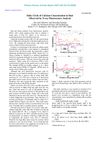
research Daily Circle of Calcium Concentration in Hair Observed by X-ray Fluorescence Analysis
Hair can show daily calcium changes, linked to body calcium levels and influenced by hormones, and can help assess calcium metabolism issues.

research ADT-G as a promising biomarker for peripheral hyperandrogenism in adult female acne
ADT-G may be a useful indicator of increased androgen levels in women with acne and can be lowered with certain birth control pills.
research The associations of hair glucocorticoids with socioeconomic position and type 2 diabetes: Findings from the Maastricht study
Hair glucocorticoids link to type 2 diabetes but not to socioeconomic status.
research Investigation of plasma thiol/disulfide balance in male patients with androgenetic alopecia
Thiol/disulfide balance is normal in male AGA patients but shifts towards oxidative stress with emotional stress and low vitamin D.
research PSA concentration change in men taking low dose finasteride and dutasteride for male androgenetic alopecia
research Serum 3α-androstanediol-glucuronide is decreased in nonhirsute women with acne vulgaris
Women with acne have lower levels of a specific hormone marker than women without acne.
research Weak correlations between serum and cerebrospinal fluid levels of estradiol, progesterone and testosterone in males
Blood hormone levels don't accurately show brain hormone levels in males.

research New effects of caffeine on corticotropin‐releasing hormone (CRH)‐induced stress along the intrafollicular classical hypothalamic–pituitary–adrenal (HPA) axis (CRH‐R1/2, IP3‐R, ACTH, MC‐R2) and the neurogenic non‐HPA axis (substance P, p75NTRand TrkA) inex vivohuman male androgenetic scalp hair follicles
Caffeine may help reduce stress-induced hair loss.
research Clinical, ultrasound and hormonal markers of androgenicity in acne vulgaris
Acne severity is linked to higher levels of certain androgenic hormones, even when those levels are within the normal range.
research Gonadal Function in Men with Cushing Syndrome
Cushing syndrome often causes low testosterone and sexual issues in men.
research Serum Cystatin C levels in adolescent females: A comparative study between PCOS and Non-PCOS groups
Adolescent females with PCOS have higher serum cystatin C levels, indicating potential metabolic and cardiovascular issues.
research Corticotropin-releasing hormone: An autocrine hormone that promotes lipogenesis in human sebocytes
CRH promotes fat production in skin cells, affecting conditions like acne.
research Brain–skin connection: The contemporary perspective through neuroendocrinology
Stress can affect skin and hair health through hormones.