 163 citations
,
April 1953 in “Acta radiologica”
163 citations
,
April 1953 in “Acta radiologica” Radiation therapy with a higher dose for the brain improves survival in cerebellar medulloblastoma.
 5 citations
,
June 2001 in “Annals of Internal Medicine”
5 citations
,
June 2001 in “Annals of Internal Medicine” Rituximab effectively treated a woman's bone lymphoma that was resistant to other treatments.
January 2017 in “Elsevier eBooks” Radiation therapy for cancer often causes skin problems like redness, dryness, and pain.
January 2012 in “Hacettepe University Institutional Repository (hacettepe.edu.tr)” Microbeam Radiation Therapy is effective, but using a linear accelerator reduces its benefits.
 July 2026 in “Open Science Framework”
 Radiation can cause hair loss, and better prevention and treatment methods are needed.
 1 citations
,
June 2023 in “Radiation oncology journal”
1 citations
,
June 2023 in “Radiation oncology journal” Low-dose radiation therapy may improve brain function in some Alzheimer's patients and is generally well-tolerated.
July 2025 in “Journal of Investigative Dermatology” June 2026 in “EJC Paediatric Oncology” High-dose thiotepa and twice-daily treatments increase the risk of permanent hair loss in children receiving craniospinal irradiation.
Activating certain hair follicle cells could prevent hair loss from cancer treatments.
 April 2012 in “The Journal of Urology”
 Different prostate cancer treatments have similar risks of secondary cancers and related mortality when considering patient age and smoking history.
 3 citations
,
August 2024 in “Frontiers in Oncology”
3 citations
,
August 2024 in “Frontiers in Oncology” Targeted radionuclide therapy shows promise for improving head and neck cancer treatment but needs more research.
 63 citations
,
May 2011 in “Clinical cancer research”
63 citations
,
May 2011 in “Clinical cancer research” The topical inhibitor CUR61414 was not effective in treating basal cell carcinoma in human trials.
 56 citations
,
May 2017 in “Nature Cell Biology”
56 citations
,
May 2017 in “Nature Cell Biology” Hair can regrow after certain stem cells are lost because other stem cells can take over their role.
 32 citations
,
January 2007 in “KARGER eBooks”
32 citations
,
January 2007 in “KARGER eBooks” Severe insulin resistance can be managed with medication, lifestyle changes, and treatment for related conditions.
3 citations
,
April 2025 in “Science Advances” Loss of Ten1 in mice causes telomere shortening and symptoms similar to human dyskeratosis congenita.
2 citations
,
August 2021 in “bioRxiv (Cold Spring Harbor Laboratory)” Skin stem cells help create protective immune cells during wound healing.
 2 citations
,
December 2019 in “Veterinary Dermatology”
2 citations
,
December 2019 in “Veterinary Dermatology” Microneedling with platelet-rich plasma helps dog hair regrow faster than microneedling alone.
MFN2 mutations cause mitochondrial problems, leading to more upper body fat and lower leptin levels.
 1 citations
,
April 2016 in “Journal of Investigative Dermatology”
1 citations
,
April 2016 in “Journal of Investigative Dermatology” UV photography can help identify people at higher risk for skin cancer, and male pattern baldness at age 45 is linked to a higher risk of certain skin cancers.
The treatment was ineffective in humans.
The document concludes that Syndromes of Severe Insulin Resistance are rare disorders with limited treatment options.
 June 2025 in “Clinical Cosmetic and Investigational Dermatology”
 Combining corticosteroids and minoxidil can quickly regrow hair lost from radiation.
May 2016 in “International Society of Hair Restoration Surgery” Careful planning and technique are crucial for successful hair transplants on irradiated scalps.
 June 2025 in “Clinical Cosmetic and Investigational Dermatology”
 There's an urgent need for better treatments for hair loss caused by radiation therapy.
 September 2023 in “Bangladesh Journal of Neurosurgery”
 Stereotactic Radiosurgery is an effective non-invasive treatment for cerebral AVM, with successful outcomes and minimal side effects.
 13 citations
,
October 2020 in “Journal of Neural Transmission”
13 citations
,
October 2020 in “Journal of Neural Transmission” CD34-positive cells help repair and form new blood vessels in salivary glands after radiation.
 14 citations
,
January 2001 in “Current Treatment Options in Oncology”
14 citations
,
January 2001 in “Current Treatment Options in Oncology” Treat limited stage small cell lung cancer with chemotherapy and radiation, and consider preventive brain radiation for better survival chances.
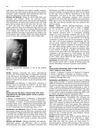 September 2009 in “European Urology Supplements”
 IGRT resulted in lower acute toxicity for stage III prostate cancer patients.
 13 citations
,
March 2011 in “British Journal of Dermatology”
13 citations
,
March 2011 in “British Journal of Dermatology” A woman with scalp lymphoma and hair loss improved with radiotherapy, highlighting the need for biopsies in similar cases.
 2 citations
,
October 2016
2 citations
,
October 2016 Chemotherapy and radiotherapy can cause skin side effects like rashes, hair loss, and nail changes, which are usually managed with conservative treatments.