Search
for
Sort by
Research
180-210 / 1000+ resultsresearch Table S1. Disease-dependent differences between tape-strip and bulk biopsy ssGSEA scores across hair follicle compartments
research Patient satisfaction with multidisciplinary shared medical appointments for alopecia areata and frontal fibrosing alopecia
Patients were highly satisfied with shared medical appointments for hair loss treatment.
research Health-related quality of life in women with polycystic ovary syndrome: A comparison with the general population using the Polycystic Ovary Syndrome Questionnaire (PCOSQ) and the Short Form-36 (SF-36)
Women with PCOS have lower quality of life, especially in mental health and energy, and managing weight can help improve it.
research 127 Quality of life in patients with connective tissue diseases: results from the Lupus Extended Autoimmune Phenotype (LEAP) study
Many lupus patients experience hair loss, which is linked to anxiety and other skin issues.
research Content validity of five single‐item instruments in adolescents with alopecia areata
The instruments are valid but don't fully capture the emotional impact on adolescents with alopecia areata.
research Alopecia: the questions we need to answer
We need better research to improve alopecia treatment and patient care.
research P154 Revised basic and specific (BASP) classification for pattern hair loss
The revised BASP classification for hair loss is less accurate and harder to use but could still be a viable option.
research Frontal Fibrosing Alopecia Quality of Life Index: A Validated Disease-Specific Questionnaire Involving Women
The FFA-QLI is a reliable tool for assessing quality of life in women with severe Frontal Fibrosing Alopecia.
research Assessing a measure for Quality of Life in patients with severe Alopecia Areata: a multicentric Italian study
Alopecia Areata severely impacts mental health, causing anxiety and depression, affecting quality of life.
research Diagnostic criteria for enduring sexual dysfunction after treatment with antidepressants, finasteride and isotretinoin
The document sets criteria for diagnosing long-term sexual dysfunctions caused by certain medications.
research SP0158 Assessment and management of SLE in a nurse led clinic
Specialist nurses play a crucial role in managing lupus and empowering patients.
research 173 Impact of Clinical Severity on Absenteeism and Presenteeism in Patients with Hidradenitis Suppurativa
Severe Hidradenitis Suppurativa increases missed and unproductive workdays.
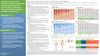
research All Subcomponents of the Cutaneous Lupus Erythematosus Disease Area and Severity Index–Activity (CLASI-A) are Relevant to Identify and Detect Changes in Skin Activity
All parts of the CLASI-A score are important for assessing skin activity in cutaneous lupus erythematosus.
research The Rise of Medical Questionnaires in Telemedicine. Will they Initiate a Paradigm Shift in Medicine?
Medical questionnaires could modernize healthcare by improving access and efficiency but need guidelines to ensure quality care.
research Újszerű bariátriai bypassműtéttel (SASI) szerzett tapasztalataink
The SASI bypass surgery leads to significant weight loss and improves health conditions with minimal absorption issues.

research Using qualitative methods to establish the clinically meaningful threshold for treatment success for the Severity of Alopecia Tool (SALT) score
Achieving 80% or more scalp hair regrowth is considered a successful treatment for significant hair loss.

research The lncRNA HOTAIR/EZH2 interaction inhibitor AC1Q3QWB (AQB) attenuates fibrotic SSc skin tissue re-modelling
AQB reduces harmful skin changes in systemic sclerosis.
research 51012 Clinical and pathophysiological study of seborrheic capitis: focus on brain-skin connection
Seborrheic dermatitis affects quality of life and sleep, linked to stress and nervous system changes.
research Validation of an Egyptian Arabic Version of Skindex-16 and Quality of Life Measurement in Egyptian Patients with Skin Disease
The Egyptian Arabic Skindex-16 is a reliable way to measure how skin diseases affect quality of life in Egyptian patients.
research Rethinking the classification of alopecia areata
The document concludes that a new system using the SALT score should replace the current alopecia areata classification for better accuracy in assessing severity and prognosis.
research Innovative Approaches to the Assessment of Alopecia Areata: Incorporating the SALT Index Through Transparent Devices
research A Segmental Approach to Scoring Hair Density from Global Images: Introducing the Scalp Coverage Scoring Method for Clinical Trials and Practice
The Scalp Coverage Scoring method reliably measures hair density from images.
research Outcome domains in lichen sclerosus
Lichen Sclerosus causes itching, pain, and potential complications in the genital area.
research A practical guide for the study of human and murine sebaceous glands in situ
The guide explains how to study human and mouse sebaceous glands using various staining and imaging techniques, and emphasizes the need for standardized assessment methods.
research Association of Psychological Stress With Skin Symptoms Among the Population in Saudi Arabia: A Cross-Sectional Study
Higher stress levels are linked to more skin problems, especially in young women.
research SUMMARIES OF PAPERS
The document concludes that secondary syphilis cases are increasing and often misdiagnosed, pityriasis rubra pilaris can be distinguished from psoriasis by skin cell features, and different skin layers produce specific components during skin repair.
research In search of a universal and objective method to assess facial aging: The new face objective photo-numerical assessment scale
The facial aging scale is a reliable tool for assessing skin aging and treatment effects.
research Preoperative Chronic Stress and Pain Outcomes: A Pilot Study of Hair Cortisol, Perceived Stress, and Chronic Post-Surgical Pain
Preoperative stress markers alone don't predict chronic post-surgical pain.
research Health-related quality of life in women with polycystic ovary syndrome attending to a tertiary hospital in Southeastern Spain: a case-control study
Women with Polycystic Ovary Syndrome (PCOS) have a lower health-related quality of life, especially those with an anovulatory phenotype, and may need specific interventions to improve it.