June 2025 in “Histopathology” Epithelial elements in superficial angiomyxomas are non-neoplastic growths mimicking embryogenesis.
 6 citations
,
February 2015 in “Journal of parasitic diseases”
6 citations
,
February 2015 in “Journal of parasitic diseases” Ivermectin injections and spray, along with hygiene measures, successfully treated sarcoptic mange in guinea pigs.
8 citations
,
June 2011 in “Journal of Zoo and Wildlife Medicine” Staphylococcus simulans may cause dermatitis in African pygmy hedgehogs.
 July 2015 in “Actas Dermo-Sifiliográficas”
 A young woman with a rare fungal infection showed significant improvement after treatment with antifungal medication.
 4 citations
,
October 2022 in “Microbial Cell Factories”
4 citations
,
October 2022 in “Microbial Cell Factories” Certain bacteria from the Citrullus colocynthis plant may be a new source of antibiotics to fight drug-resistant diseases.
1 citations
,
March 2017 in “Semina Ciências Agrárias” Hunting wild boar can cause fungal infections in dogs.
February 2018 in “Zenodo (CERN European Organization for Nuclear Research)” High doses of Lagenaria siceraria fruit powder lower FSH and LH hormone levels in male rats.
 June 2017 in “Acta Scientiae Veterinariae”
 A cat with a rare pancreatic tumor and diabetes died despite treatment, showing similar symptoms to a human condition.
24 citations
,
February 1986 in “Cancer” A pancreatic tumor caused high glucagon levels and symptoms, but treatment reduced glucagon and shrank liver tumors.
 October 2022 in “JAAD case reports”
 A man with itchy skin lesions and weight loss was diagnosed with a rare skin condition linked to a pancreatic tumor.
August 2018 in “Cadernos de Agroecologia” The new sulfur paste effectively treats rabbit scabies, promoting healing and hair growth.
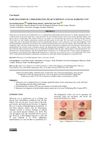 March 2022 in “Folia Medica Indonesiana”
 The lump on a woman's scalp was a rare, potentially cancerous tumor from the hair follicle, not a common cyst.
June 2025 in “Proceedings of the National Academy of Sciences” A PIK3CA mutation in Schwann cells causes severe nerve damage and increased glycolysis, but early treatment can help.
61 citations
,
March 1966 in “Archives of Dermatology” Nevoid basal cell carcinomas start in the skin and hair follicles.
 December 2021 in “Research Square (Research Square)”
 S100A4 and NMIIA promote tumor growth in glioblastoma by enhancing blood vessel functions.
 1 citations
,
October 2023 in “Life science alliance”
1 citations
,
October 2023 in “Life science alliance” Pantethine may boost the immune system's ability to fight sarcoma.
1 citations
,
October 2023 in “Pharmaceuticals” Sulfated polysaccharides from Microcosmus exasperatus may help treat cancer without causing blood thinning.
8 citations
,
June 2017 in “The Journal of Infection in Developing Countries” 31 citations
,
January 2007 in “Journal of the American Academy of Dermatology” A rare skin growth was successfully removed without recurrence after one year.
3 citations
,
July 2017 in “Journal of Investigative Dermatology” SSEA-4 can distinguish between eccrine and apocrine sweat gland ducts.
 January 2025 in “Turkish Journal of Cerebrovascular Diseases”
 CARASIL can cause different symptoms even with the same genetic mutation.
Pilomatricoma is a rare, harmless skin lump that needs accurate diagnosis and timely treatment.
38 citations
,
May 1982 in “PubMed” Intralesional steroid injections can effectively treat calcinosis and ulcers in scleroderma.
September 2024 in “Sasambo Journal of Pharmacy” The optimal pomegranate leaf extract shampoo formula effectively combats dandruff without causing hair loss.
Improved nutrition quickly healed the patient's skin lesions.
91 citations
,
July 2004 in “Journal of Biological Chemistry” Overexpressing SSAT enzyme reduces prostate tumor growth in mice.
June 2025 in “Neurology India” Anti-SRP myopathy can be linked to systemic lupus erythematosus and may improve with specific treatment.
 April 2024 in “Iranian journal of veterinary medicine”
 43.1% of rabbits in Mosul City had mange, with Sarcoptes scabiei var. cuniculi being the most common.
 October 2024 in “Journal of the Endocrine Society”
 Early detection of ovarian steroid cell tumors is crucial to prevent lasting symptoms.
 13 citations
,
November 2005 in “Veterinary Dermatology”
13 citations
,
November 2005 in “Veterinary Dermatology” A dog's skin calcification condition resolved without treatment after a bacterial infection.