6 citations
,
March 2017 in “Journal of the European Academy of Dermatology and Venereology” Identical twins with a rare KRT 86 gene mutation both have the hair disorder monilethrix.
August 2017 in “ARSHI Veterinary Letters” A Shih Tzu with Cushing syndrome developed skin issues and was euthanized after treatment led to neurological problems.
 3 citations
,
November 2018 in “Curēus”
3 citations
,
November 2018 in “Curēus” The cause and importance of misplaced oil glands in the hair follicle are not well understood.
 February 2025 in “Veterinary Clinical Pathology”
 The ferret had a malignant apocrine gland tumor and did not survive surgery.
December 2020 in “American Journal of Transplantation” Early recognition and treatment of VATS in transplant patients improve outcomes.
3 citations
,
June 2021 in “Actas Dermo-Sifiliográficas” Dermoscopy can effectively identify Malassezia folliculitis.
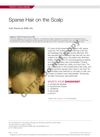
A 5-year-old girl has sparse, dry, and brittle hair but is otherwise healthy.
 2 citations
,
August 2020 in “Scientific reports”
2 citations
,
August 2020 in “Scientific reports” Genes related to keratin, skin cell differentiation, and immune functions are key in hedgehog skin and spine development.
September 2022 in “Medical Mycology” Malassezia fungi may contribute to hair loss and inflammation in androgenetic alopecia.
 52 citations
,
October 2004 in “Veterinary dermatology”
52 citations
,
October 2004 in “Veterinary dermatology” Melatonin and mitotane treatment led to hair re-growth in 62% of dogs with Alopecia X, but this was not always linked to normal hormone levels.
November 2024 in “Journal of Investigative Dermatology” 7 citations
,
March 2023 in “European Journal of Dermatology” Using Selenium Disulfide shampoo weekly helps prevent scalp dermatitis flare-ups.
 5 citations
,
March 2005 in “Journal of The American Academy of Dermatology” 12 citations
,
January 2013 in “Indian dermatology online journal”
5 citations
,
March 2005 in “Journal of The American Academy of Dermatology” 12 citations
,
January 2013 in “Indian dermatology online journal” The document reports a unique case of woolly hair with a combination of conditions not previously seen together.
 5 citations
,
January 2017 in “Anais brasileiros de dermatologia/Anais Brasileiros de Dermatologia”
5 citations
,
January 2017 in “Anais brasileiros de dermatologia/Anais Brasileiros de Dermatologia” Porokeratotic eccrine and hair follicle nevus is a very rare skin disorder possibly caused by a GJB2 gene mutation.
 January 2026 in “International Journal of Research and Innovation in Applied Science”
 Recognizing specific markers is crucial for correctly diagnosing and treating rare multifocal MPTT in males.
44 citations
,
August 2004 in “Journal of Investigative Dermatology” A gene deletion in DSG4 causes sparse hair in some Pakistani families.
372 citations
,
December 2004 in “Nature Genetics” 4 citations
,
October 2021 in “Microorganisms” Men with androgenetic alopecia have different scalp oils and microbes compared to those without.
April 2020 in “Clinical Small Animal Internal Medicine” Sebaceous adenitis affects mainly young to middle-aged dogs and can be managed with topical treatments and essential fatty acids.
August 2025 in “Skin Appendage Disorders” Topical minoxidil can help improve hair in trichonodosis.
49 citations
,
January 2005 in “Dermatology” Systemic retinoids may effectively treat erosive pustular dermatosis of the scalp.
84 citations
,
March 2002 in “The Journal of Dermatology” Steatocystoma multiplex is a skin condition starting around age 26, linked to hair follicles, and related to eruptive vellus hair cysts.
14 citations
,
January 2015 in “Skin Appendage Disorders” Brazilian keratin treatment can cause severe skin reactions.
97 citations
,
March 2006 in “Journal of Investigative Dermatology” Mutations in the DSG4 gene cause a severe form of brittle hair and skin issues.
 May 2026 in “Frontiers in Immunology”
 Bimekizumab effectively treats scalp cellulitis and improves quality of life.
 29 citations
,
April 2013 in “Mycoses”
29 citations
,
April 2013 in “Mycoses” A young man was initially misdiagnosed with a scalp condition but was found to have a fungal infection, which improved with antifungal treatment.
 14 citations
,
September 2009 in “International Journal of Dermatology”
14 citations
,
September 2009 in “International Journal of Dermatology” DCPA is a chronic leg infection often related to Staphylococcus aureus, affecting mostly young men in India.
49 citations
,
August 1999 in “Journal of Investigative Dermatology” Overexpressing the MSX-2 gene in mice causes skin and hair growth issues.
28 citations
,
June 2007 in “Journal of Cutaneous Pathology” IRS premature desquamation is not unique to CCCA and occurs in various scarring alopecias.