 December 2011 in “Korean journal of veterinary research”
 A Miniature Pinscher dog with hair loss and scaling was diagnosed with pattern alopecia and improved with melatonin treatment.
 November 2025 in “Zenodo (CERN European Organization for Nuclear Research)”
 Dermatophytosis in cats is a common fungal infection that usually resolves itself but can be severe in vulnerable animals.
 August 2023 in “Veterinary Record Case Reports”
 High-dose ciclosporin significantly improved a young cat's severe skin condition.
 January 2008 in “Pratique médicale & chirurgicale de l'animal de compagnie”
 Alopecia X in dogs is a cosmetic issue, not a hormonal disorder, and harmful treatments should be avoided.
 August 2021 in “Acta medica Philippina”
 A girl's hair loss was found to be caused by both a hair-pulling disorder and another hair loss condition.
 6 citations
,
April 2013 in “International Journal of Dermatology”
6 citations
,
April 2013 in “International Journal of Dermatology” Dermoscopy helps diagnose unusual skin lesions like osteonevus of Nanta and can prevent misdiagnosis of serious conditions.
11 citations
,
March 2016 in “PubMed” Tinea capitis in adults is best treated with oral terbinafine, but other medications may be needed for resistant infections, and family and pets should be checked to prevent reinfection.
 7 citations
,
July 1999 in “In Practice”
7 citations
,
July 1999 in “In Practice” The conclusion is that a systematic approach is key for treating symmetrical alopecia in dogs, but treatment may not always be necessary.
36 citations
,
July 1996 in “The journal of investigative dermatology/Journal of investigative dermatology” Mice with the 'lanceolate hair' mutation have abnormal hair and skin similar to human Netherton's syndrome.
 September 2023 in “Cosmoderma”
 Early diagnosis and treatment of favus can prevent permanent hair loss.
January 2022 in “The Pan African medical journal” Hypertrichosis causes excessive hair growth and needs psychological support due to its impact on self-esteem.
Spiny keratoderma is a rare skin condition with small spines on palms and soles, possibly linked to abnormal hair formation.
1 citations
,
September 2024 in “Veterinary Dermatology” Trichography is important for diagnosing hair fragility in Pomeranian dogs with hair cycle issues.
 January 2024 in “Journal of cutaneous and aesthetic surgery”
 Scalp injuries and harsh hair care can cause severe hair matting in children.
 3 citations
,
July 2004 in “SKINmed/Skinmed”
3 citations
,
July 2004 in “SKINmed/Skinmed” A 4-year-old girl was diagnosed with erythrokeratodermia variabilis after other treatments failed.
1 citations
,
November 2022 in “PubVet” Microneedling and orchiectomy helped treat hair loss in a German Spitz dog.
11 citations
,
December 2015 in “Indian journal of dermatology, venereology, and leprology” Dermoscopy quickly and accurately diagnosed a rare hair disorder in a 12-year-old girl.
16 citations
,
January 1995 in “Dermatology” The treatment for alopecia areata with diphenylcyclopropenone was unsuccessful.
 18 citations
,
February 2006 in “Brain & development”
18 citations
,
February 2006 in “Brain & development” A patient with Satoyoshi syndrome improved with a treatment combining several medications, including carbamazepine and methotrexate.
8 citations
,
May 1989 in “Annals of Saudi Medicine” Tinea capitis is common in the Eastern Province of Saudi Arabia and can be effectively treated.
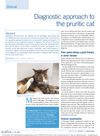 September 2013 in “The veterinary nurse”
 Finding the cause of a cat's itchiness requires a careful process and good communication with the owner.
 August 2021 in “International Journal of Research in Dermatology”
 The most common scalp problems in Sikkim were seborrheic dermatitis, androgenetic alopecia, and alopecia areata.
65 citations
,
April 1999 in “Journal of Parasitology” The topical treatment WR 279,396 effectively healed cutaneous leishmaniasis in mice without relapse.
 44 citations
,
May 2006 in “The Journal of the American Animal Hospital Association/Journal of the American Animal Hospital Association”
44 citations
,
May 2006 in “The Journal of the American Animal Hospital Association/Journal of the American Animal Hospital Association” Both treatments for pemphigus foliaceus in dogs are effective, but combination therapy has more side effects.
 9 citations
,
June 2014 in “British Journal of Dermatology”
9 citations
,
June 2014 in “British Journal of Dermatology” The study found that balding scalps have more thin hairs and larger oil glands, which might contribute to skin conditions related to hair loss.
3 citations
,
March 1998 in “PubMed” A woman's skin and hair conditions improved after her cancerous tumor was removed.
 April 2024 in “International journal of research in dermatology”
 Azathioprine can cause hair loss and matted hair.
October 1967 in “Archives of Dermatology” A 42-year-old woman had a scalp lesion that didn't cause hair loss and showed specific changes under a microscope.
January 2000 in “Europe PMC (PubMed Central)” Isotretinoin effectively improved severe pityriasis rubra pilaris with complications.