 January 2023 in “Journal of men's health”
 Higher dihydrotestosterone may be linked to more inflammation in COVID-19 patients with low testosterone.
 September 2022 in “Acta Medica”
 The pandemic caused new skin problems in children, mainly due to mask-wearing and stress.
COVID-19 may lead to severe skin necrosis without clear underlying causes, as seen in a diabetic patient who required leg amputation.
 June 2022 in “Journal of the turkish academy of dermatology”
 During the COVID-19 pandemic, some skin conditions became more common while others decreased.
 January 2022 in “Medical research archives”
 Taking vitamin D might improve life for MS patients and reduce skin side effects from alemtuzumab treatment.
 January 2022 in “Revista Dermatológica Centro Uraga”
 Herpes zoster can occur with COVID-19 even in healthy individuals.
 January 2021 in “Journal of the European Academy of Dermatology and Venereology”
 PrEP doesn't increase STI risk in high-risk men, anti-androgen drugs may lower ICU admission for male COVID-19 patients, a 3-point injection is better for crow's feet, and the 'Geriatric-8' tool could help assess frailty in older skin cancer patients.
 96 citations
,
December 2022 in “Pneumologie”
96 citations
,
December 2022 in “Pneumologie” The guideline offers current advice for diagnosing and treating Long- and Post-COVID symptoms.
 80 citations
,
June 2020 in “Dermatopathology”
80 citations
,
June 2020 in “Dermatopathology” COVID-19 can cause various skin lesions, which may result from the virus and immune response, and are not directly linked to illness severity.
 31 citations
,
August 2020 in “EClinicalMedicine”
31 citations
,
August 2020 in “EClinicalMedicine” Male cancer patients have a higher risk of severe illness and death from COVID-19 than female patients.
 11 citations
,
November 2020 in “bioRxiv (Cold Spring Harbor Laboratory)”
11 citations
,
November 2020 in “bioRxiv (Cold Spring Harbor Laboratory)” Early treatment with azithromycin and other drugs reduced COVID-19 symptoms and complications.
 9 citations
,
September 2020 in “Journal of Drugs in Dermatology”
9 citations
,
September 2020 in “Journal of Drugs in Dermatology” Men had worse COVID-19 outcomes than women in New York City.
 April 2022 in “Archives of Medical Case Reports and Case Study”
 COVID-19 pneumonia requires more intensive care, including monitoring liver functions and DVT, due to higher D-dimer and procalcitonin levels.
 April 2021 in “Journal of Law Public Policies and Human Sciences”
 The described COVID-19 treatments seemed effective in influencing the disease's course, duration, and severity.
 134 citations
,
April 2020 in “Journal of Cosmetic Dermatology”
134 citations
,
April 2020 in “Journal of Cosmetic Dermatology” Male pattern hair loss could hint at androgens affecting COVID-19 severity.
 32 citations
,
June 2021 in “bioRxiv (Cold Spring Harbor Laboratory)”
32 citations
,
June 2021 in “bioRxiv (Cold Spring Harbor Laboratory)” Fatigue is the most common symptom in both ongoing symptomatic COVID-19 and post-COVID-19 syndrome.
 14 citations
,
January 2021 in “Cureus”
14 citations
,
January 2021 in “Cureus” The AndroCoV Clinical Scoring is a quick, accurate, and free tool for diagnosing COVID-19.
 December 2025 in “Al-Iraqia Medical College Journal”
 Virus infection risk is linked to heat tolerance and size, but decreases with high humidity and mutation rate.
Vaccination is crucial for public health, but anti-vaccine movements are a concern.
 10 citations
,
May 2020 in “bioRxiv (Cold Spring Harbor Laboratory)”
10 citations
,
May 2020 in “bioRxiv (Cold Spring Harbor Laboratory)” Hispanics in Northern Nevada had more COVID-19 cases but lower mortality than non-Hispanics.
 5 citations
,
July 2021 in “bioRxiv (Cold Spring Harbor Laboratory)”
5 citations
,
July 2021 in “bioRxiv (Cold Spring Harbor Laboratory)” Completing a 14-day proxalutamide treatment significantly lowers death rates in hospitalized COVID-19 patients.
 2 citations
,
July 2024 in “Ibn AL- Haitham Journal For Pure and Applied Science”
2 citations
,
July 2024 in “Ibn AL- Haitham Journal For Pure and Applied Science” PCOS women with COVID-19 have higher cardiometabolic risks.
Survivors of severe COVID-19 need ongoing care to manage lasting health issues.
 September 2023 in “JP Journal of Biostatistics”
 The random forest model effectively helps diagnose COVID-19 using key factors like age and symptoms.
Lower LDL-c levels predict higher COVID-19 mortality.
 December 2022 in “Urology Herald”
 Hormonal status from androgen deprivation therapy may affect COVID-19 severity in men.
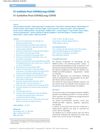 156 citations
,
September 2021 in “Pneumologie”
156 citations
,
September 2021 in “Pneumologie” The guideline offers practical advice for diagnosing and treating Post-COVID/Long-COVID.
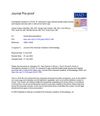 32 citations
,
July 2020 in “Journal of The American Academy of Dermatology”
32 citations
,
July 2020 in “Journal of The American Academy of Dermatology” AGA linked to worse COVID-19 outcomes in men.
 21 citations
,
June 2020 in “Dermatologic Therapy”
21 citations
,
June 2020 in “Dermatologic Therapy” The COVID-19 pandemic led to fewer dermatology visits and changed the types of skin conditions patients experienced.
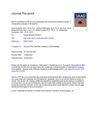 11 citations
,
May 2021 in “Journal of The American Academy of Dermatology”
11 citations
,
May 2021 in “Journal of The American Academy of Dermatology” COVID-19 doesn't make alopecia areata worse.