 August 2023 in “Journal of Student Research”
 The document concludes that alopecia is an incurable autoimmune disease with various treatments and that diet, as well as COVID-19, may impact it.
 56 citations
,
May 2021 in “Journal of infection/The Journal of infection”
56 citations
,
May 2021 in “Journal of infection/The Journal of infection” Most hospitalized COVID-19 patients had long-term symptoms like fatigue and hair loss, with women and those sicker during hospitalization at higher risk.
 27 citations
,
November 2020 in “International Journal of Dermatology”
27 citations
,
November 2020 in “International Journal of Dermatology” COVID-19 can cause skin issues like chilblains and rashes, which may help in early detection, especially in patients without other symptoms.
December 2024 in “Journal of Investigative Dermatology” People with androgenetic alopecia had milder COVID-19 symptoms during the Omicron wave in China.
 13 citations
,
May 2020 in “Journal of Cosmetic Dermatology”
13 citations
,
May 2020 in “Journal of Cosmetic Dermatology” The article suggests using safety measures and telemedicine for aesthetic dermatology during COVID-19, while some procedures can still be done safely.
 10 citations
,
January 2023 in “Molecular and Cellular Biochemistry”
10 citations
,
January 2023 in “Molecular and Cellular Biochemistry” Solanum nigrum shows promise for treating COVID-19 and its complications, but more research is needed.
 6 citations
,
March 2021 in “Cytotechnology”
6 citations
,
March 2021 in “Cytotechnology” Mesenchymal stem cells show promise in treating COVID-19 by reducing inflammation and aiding recovery, but more research is needed.
March 2026 in “Immunological Medicine” Janus kinase inhibitors help some people with severe alopecia areata regrow hair, but not everyone responds, and relapses can happen.
 February 2025 in “Archives of Dermatological Research”
 Combining microneedling with Minoxidil and Finasteride greatly improves hair growth and reduces hair loss in men.
 October 2024 in “Stem Cell Research & Therapy”
 CGF therapy may effectively treat psoriasis by reducing inflammation.
 January 2024 in “Wiadomości Lekarskie”
 New devices may treat heart failure more effectively than drugs.
 January 2024 in “Wiadomości Lekarskie”
 Pre-surgical embolization and a two-stage resection improve outcomes for rare sacral tumors.
 December 2023 in “Aesthetic Cosmetology and Medicine”
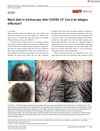
 COVID-19 can cause hair loss, but specialists can help treat it.
 2 citations
,
July 2021 in “Dermatologic Therapy”
2 citations
,
July 2021 in “Dermatologic Therapy” A woman's hair loss after COVID-19 was likely due to a mix of pressure-induced alopecia and acute telogen effluvium.
 7 citations
,
January 2021 in “The journal of gene medicine”
7 citations
,
January 2021 in “The journal of gene medicine” Certain genetic differences may affect how likely someone is to get COVID-19 and how severe it might be.
 September 2024 in “World Journal of Advanced Research and Reviews”
 COVID-19 can harm many body parts, not just the lungs.
 December 2022 in “International Journal of Biomedicine”
 Androgens may worsen COVID-19 and hair loss could indicate the disease's severity.

COVID-19 may be linked to hair loss called Telogen Effluvium, affecting quality of life and self-esteem.
 May 2022 in “Acta Scientific Women's Health”
 A woman lost over 80% of her hair due to a condition called telogen effluvium after having COVID-19.
 July 2021 in “Journal of dermatology research and therapy”
 COVID-19 may worsen hair loss, and Nourkrin® could be a safe treatment option, but more research is needed.
21 citations
,
January 2021 in “Frontiers in Pharmacology” Thiopurines help treat IBD but require genetic testing to avoid side effects.
 21 citations
,
January 2021 in “Therapeutic Advances in Endocrinology and Metabolism”
21 citations
,
January 2021 in “Therapeutic Advances in Endocrinology and Metabolism” Testosterone may have a dual role in COVID-19, potentially worsening outcomes in men, and testosterone therapy could help some patients, but more research is needed.
 8 citations
,
September 2022 in “Biointerface Research in Applied Chemistry”
8 citations
,
September 2022 in “Biointerface Research in Applied Chemistry” Quinoline alkaloids from Cinchona may help treat cancer, diabetes, fungal infections, and promote hair growth.
 7 citations
,
May 2020 in “Dermatologic Therapy”
7 citations
,
May 2020 in “Dermatologic Therapy” Dermatologists helped identify COVID-19 through skin symptoms and managed skin issues during the pandemic, but more high-quality research is needed.

Tofacitinib effectively regrows hair in alopecia universalis triggered by a virus.
December 2024 in “Aesthetic Plastic Surgery” Combining PEMF with PBST is more effective for hair regrowth than PBST alone.
 March 2024 in “International journal of research in medical sciences”
 Dr. SKS hair booster serum effectively treats hair loss caused by COVID-19.
 February 2023 in “Journal of clinical medicine research”
 Zinc acetate hydrate may help reduce fatigue and hair loss in post-COVID-19 patients.
 January 2022 in “Asian journal of Current Research in Clinical Cancer”
 Some dibenzo compounds might help treat cancer with fewer side effects.
 134 citations
,
April 2020 in “Journal of Cosmetic Dermatology”
134 citations
,
April 2020 in “Journal of Cosmetic Dermatology” Male pattern hair loss could hint at androgens affecting COVID-19 severity.