21 citations
,
August 2002 in “British Journal of Ophthalmology” Intralesional cidofovir may be a viable alternative treatment for SCC.
 April 2019 in “Journal of Investigative Dermatology”
 Researchers fixed gene mutations causing a skin disease in stem cells, which then improved skin grafts in mice.
 10 citations
,
April 2020 in “Clinics in Dermatology”
10 citations
,
April 2020 in “Clinics in Dermatology” Biotin supplements improved skin and hair problems in a girl with biotinidase deficiency.
2 citations
,
January 2023 in “Uro” UHP-sCESr is as effective as HESr for treating BPH symptoms.
VDAC2 promotes cell death in cashmere goat hair follicles through the P53 pathway.
2 citations
,
October 2025 in “Antimicrobial Agents and Chemotherapy” Cepharanthine can block enterovirus entry and protect against infection.
4 citations
,
August 2002 in “British Journal of Ophthalmology” Surgical excision is the best treatment for SCC.
15 citations
,
November 2009 in “Journal of Comparative Pathology” Epidermolysis bullosa in calves was not caused by mutations in the keratin genes bKRT5 and bKRT14.
The treatment was ineffective in humans.
189 citations
,
July 2009 in “The Journal of clinical investigation/The journal of clinical investigation” Epidermolysis bullosa simplex causes easily blistered skin due to faulty skin cell proteins, leading to new treatment ideas.
July 2026 in “DOAJ (DOAJ: Directory of Open Access Journals)” SesZenBio™ improves hair health and reduces hair loss effectively.
 2 citations
,
January 2023 in “Ceramics International”
2 citations
,
January 2023 in “Ceramics International” The 3D printed scaffold with SB216763 and copper helps heal wounds and regrow skin and hair.
January 2022 in “Drugs of Today” 3 citations
,
January 2020 in “The journal of investigative dermatology/Journal of investigative dermatology” Skin cells from people with Epidermolysis Bullosa Simplex have abnormally placed and less active mitochondria.
7 citations
,
March 2022 in “The FASEB journal” Adult mice with CBS deficiency show minimal health issues and normal lifespan despite high homocysteine levels.
 2 citations
,
February 1981 in “Journal of the Royal Society of Medicine”
2 citations
,
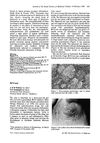
February 1981 in “Journal of the Royal Society of Medicine” A three-year-old girl survived a rare serious infection caused by BCG vaccination, which improved after treatment with a leprosy drug.
53 citations
,
August 2017 in “Journal of Investigative Dermatology” 33 citations
,
May 2015 in “JAMA Dermatology” Early detection of specific skin lesions can help identify Birt-Hogg-Dube syndrome and prevent serious complications.
89 citations
,
January 2020 in “PubMed” Early detection and biotin treatment improve outcomes for biotinidase deficiency.
 April 2024 in “International journal of clinical trials”
 SesZen-Bio™ improves hair density, thickness, and overall hair health.
 14 citations
,
November 2015 in “Annals of the New York Academy of Sciences”
14 citations
,
November 2015 in “Annals of the New York Academy of Sciences” Changing the diet of mice lacking the enzyme CBS can affect symptoms related to the genetic condition.
 July 2025 in “Current Issues in Molecular Biology”
 Bio-Pulsed sEVs improve hair growth and skin rejuvenation.
 May 2014 in “Journal of The American Academy of Dermatology”
 The number of new cases of cutaneous B-cell lymphoma has leveled off since the early 2000s, and survival rates have improved since 1973.
 March 2026 in “Zenodo (CERN European Organization for Nuclear Research)”
 The N-K GM Series offers highly selective, eco-friendly medicines targeting harmful microbes, free for personal use.
 October 2023 in “International Journal of Cosmetic Science”
 WS Biotin, a new form of D-Biotin, improves water solubility and shows potential for hair and skin care without being toxic at low levels.
 1 citations
,
August 2023 in “Composites Part B: Engineering”
1 citations
,
August 2023 in “Composites Part B: Engineering” The new wound dressing helps heal burn wounds and regrow hair by releasing beneficial ions.
4 citations
,
July 2025 in “Annals of the New York Academy of Sciences” Combining skeletal and molecular anthropology improves identifying human remains.
 May 2026 in “Scientific Reports”
 Sr and Cu ions in borosilicate glasses improve strength, bone integration, and fight bacteria, making them good for orthopedic implants.
179 citations
,
June 2000 in “The American journal of pathology” The absence of functional sebaceous glands causes hair follicle destruction and scarring alopecia.
7 citations
,
August 2017 in “Genetic testing and molecular biomarkers” A new mutation in the FLCN gene linked to Birt-Hogg-Dube syndrome was found, suggesting people with certain lung collapse should be tested for this mutation and screened for kidney and colon cancer.