 182 citations
,
June 2017 in “Biomaterials”
182 citations
,
June 2017 in “Biomaterials” Special fiber materials boost the healing properties of certain stem cells.
 April 2023 in “Journal of Investigative Dermatology”
 Radiation treatment causes skin fibrosis by increasing certain fibroblast subpopulations, but using a c-Jun inhibitor or fat grafting can reduce this effect.
8 citations
,
January 2025 in “Journal of Investigative Dermatology” Fetal skin has diverse fibroblast types that change as it develops.
December 2025 in “FEBS Open Bio” Long-term skin biopsy cultures can produce many fibroblasts that remain functional and can be reprogrammed.
8 citations
,
June 2015 in “Wound Repair and Regeneration” SCF helps heal diabetic wounds by promoting stem cell migration.
 23 citations
,
January 2017 in “Current Rheumatology Reports”
23 citations
,
January 2017 in “Current Rheumatology Reports” Unique fat cells near fibrotic areas contribute to systemic sclerosis progression.
 31 citations
,
October 2018 in “Frontiers in Cell and Developmental Biology”
31 citations
,
October 2018 in “Frontiers in Cell and Developmental Biology” The conclusion is that CD90 is not a specific marker for fibroblast subtypes and better methods are needed to identify them.
January 2014 in “Institutional Repositories DataBase (IRDB)” Fibroblast spheres can form stem cells, but marker distribution needs more study.
 2 citations
,
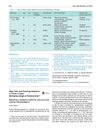
November 2015 in “Actas Dermo-Sifiliográficas”
2 citations
,
November 2015 in “Actas Dermo-Sifiliográficas” The document suggests a possible link between mast cells and scarring alopecia, recommending more research for potential treatments.
 1 citations
,
August 2023 in “bioRxiv (Cold Spring Harbor Laboratory)”
1 citations
,
August 2023 in “bioRxiv (Cold Spring Harbor Laboratory)” The research created a detailed map of skin cells, showing that certain cells in basal cell carcinoma may come from hair follicles and could help the cancer grow.
1 citations
,
January 2021 in “SSRN Electronic Journal” Transplanted hair follicles can improve and remodel mature scars.
 62 citations
,
March 2015 in “PLOS ONE”
62 citations
,
March 2015 in “PLOS ONE” Pre-seeding scaffolds with fibroblasts improves skin wound healing.
 April 2025 in “bioRxiv (Cold Spring Harbor Laboratory)”
 Older mice heal wounds without scars due to special fibroblasts.
 April 2023 in “Journal of Investigative Dermatology”
 The research updated the skin cell profile, finding new skin cell markers and showing fibroblasts' key role in skin health.
34 citations
,
June 2020 in “British journal of dermatology/British journal of dermatology, Supplement” Frontal fibrosing alopecia is linked to increased immune system activity and reduced stem cells, suggesting early treatment targeting this pathway might prevent hair follicle damage.
 June 2020 in “bioRxiv (Cold Spring Harbor Laboratory)”
 Lef1 helps adult skin cells maintain their ability to heal wounds and regenerate hair, but the study's methods and conclusions have been questioned.
 54 citations
,
January 2009 in “British Journal of Dermatology”
54 citations
,
January 2009 in “British Journal of Dermatology” Scarring alopecia affects different hair follicle stem cells than nonscarring alopecia, and the infundibular region could be a new treatment target.
 6 citations
,
January 2023 in “npj regenerative medicine”
6 citations
,
January 2023 in “npj regenerative medicine” Transplanting growing hair follicles into scars can help regenerate and improve scar tissue.
 24 citations
,
January 2019 in “Biomaterials Science”
24 citations
,
January 2019 in “Biomaterials Science” The shape of fibrous scaffolds can improve how stem cells help heal skin.
 March 2015 in “Zagazig University Medical Journal”
 Damage to hair follicle stem cells may cause permanent hair loss and scarring in PCA.
 August 2023 in “Journal of Investigative Dermatology”
 Different body areas have unique skin cell communication patterns, explaining why certain skin diseases occur in specific regions.
April 2018 in “Journal of Investigative Dermatology” Differentiated fibroblasts regenerate hair follicles better than undifferentiated ones.
 April 2026 in “Research Square”
 E13 fetal mouse fibroblast vesicles may help reduce scarring.
 April 2017 in “Journal of Investigative Dermatology”
 HPH-15, a new compound, effectively reduces skin fibrosis in experiments without causing harm.
50 citations
,
December 2017 in “British Journal of Dermatology” Different skin cells produce unique materials, which can improve skin substitutes for healing.
 January 2025 in “bioRxiv (Cold Spring Harbor Laboratory)”
 Potential therapeutic targets for scarring hair loss are identified.
 January 2024 in “Journal of Tissue Engineering”
 A new ethical skin model using stem cells offers a reliable alternative for dermatological research.
A comprehensive human skin cell atlas was created to better understand skin biology and disease.
3 citations
,
August 2022 in “International Journal of Molecular Sciences” TSC2-/meth cells can cause skin lesions, hair growth, and lung issues, and may be treated with chromatin remodeling agents.
January 2017 in “PRISM (University of Calgary)” Unique genes in hair follicle cells help tissue regeneration.