July 2025 in “SKIN The Journal of Cutaneous Medicine” Ritlecitinib effectively improves hair regrowth and physician satisfaction in severe alopecia areata over time.
June 2025 in “British Journal of Dermatology” Trichoscopy is highly effective for diagnosing scalp disorders and should be used more in dermatology.
June 2025 in “British Journal of Dermatology” Tofacitinib was more effective than methotrexate for treating alopecia areata.
 June 2025 in “International Journal of AYUSH Case Reports”
 Ayurvedic treatment successfully regrew hair in a woman with alopecia areata.
 June 2025 in “The Journal of Dermatology”
 Baricitinib is effective and safe for long-term treatment of severe alopecia areata.
May 2025 in “International Ayurvedic Medical Journal” Ayurvedic Shamana therapy effectively treats alopecia areata with minimal side effects.
Baricitinib effectively promotes regrowth of eyebrows and eyelashes in alopecia areata patients.
 April 2025 in “Clinical Dermatology Review”
 Trichoscopy is effective for diagnosing hair and scalp disorders without invasive biopsies.
February 2025 in “Brazilian Journal of Hair Health” Multiparametric ultrasound is a useful non-invasive tool for assessing scalp conditions in alopecia areata patients.
January 2025 in “The Journal of Dermatology” Patients prefer the higher 50 mg dose of ritlecitinib for better hair regrowth despite higher risks.
January 2025 in “Medical Research Archives” A new classification and scoring system is needed for alopecia areata to better assess severity.
 January 2025 in “Acta Dermatovenerologica Alpina Pannonica et Adriatica”
 JAK inhibitors can help regrow hair in alopecia areata but have potential long-term risks and require careful monitoring.
December 2024 in “Value in Health” A comprehensive approach is needed to accurately assess alopecia areata severity and guide treatment decisions.
 November 2024 in “SKIN The Journal of Cutaneous Medicine”
 Visual signs are crucial for accurately diagnosing and treating different types of hair loss in Black patients.
 November 2024 in “SKIN The Journal of Cutaneous Medicine”
 Ritlecitinib effectively promotes hair regrowth in severe and very severe alopecia areata.
Diagnosing scalp fungal infections is difficult due to similar symptoms with other conditions, requiring careful examination and specific tests.
Alopecia areata patients show increased inflammation and OX40 activation, suggesting a new treatment target.
 April 2024 in “Clinical and experimental dermatology”
 Tofacitinib is effective for severe alopecia areata, similar to oral betamethasone.
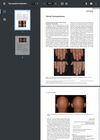 March 2024 in “International Journal of Dermatology”
 Baricitinib improved nail condition and hair regrowth in a patient with alopecia and nail abnormalities.
The system can automatically identify different hair and scalp conditions using machine learning.
 January 2024 in “International Journal of Homoeopathic Sciences”
 Homeopathic treatment may help manage alopecia areata.
 December 2023 in “European journal of dermatology/EJD. European journal of dermatology”
 More effective treatments are needed for severe alopecia areata.
 September 2023 in “SKIN The Journal of Cutaneous Medicine”
 Talquetamab may cause hair loss and skin issues.
September 2023 in “International Journal of Trichology” More severe alopecia areata is linked to more follicular stelae, but not to treatment response.
 August 2023 in “Medical Hypotheses”
 Metformin, usually used for diabetes, can also help treat hair loss from alopecia areata due to its ability to reduce inflammation and stimulate new hair growth.
 July 2023 in “Annals of King Edward Medical University”
 Mometasone furoate cream was more effective than bimatoprost solution for treating hair loss from Alopecia Areata.
 June 2023 in “British journal of dermatology/British journal of dermatology, Supplement”
 A woman's rare hair loss condition improved on its own, suggesting this type might recover like common cases.
 June 2023 in “British Journal of Dermatology”
 Baricitinib was effective in treating severe and very severe alopecia areata after 52 weeks.
Intralesional methotrexate effectively treats alopecia areata by reducing TNF-α levels, leading to hair regrowth.
3D-ultrasound can non-invasively detect and predict alopecia areata phases and outcomes.