 1 citations
,
May 2017 in “InTech eBooks”
1 citations
,
May 2017 in “InTech eBooks” Hair loss in Androgenetic alopecia (AGA) is due to altered cell sensitivity to hormones, not increased hormone levels. Hair growth periods shorten over time, causing hair to become thinner and shorter. This is linked to miscommunication between cell pathways in hair follicles. There's also a change in gene expression related to blood vessels and cell growth in balding hair follicles. The exact molecular causes of AGA are still unclear.
8 citations
,
November 2020 in “Journal of Cosmetic Dermatology” The ingredients may help prevent hair loss and aging by boosting hair growth signals and reducing stress and hormone effects.
 2 citations
,
May 2017 in “InTech eBooks”
2 citations
,
May 2017 in “InTech eBooks” Stem cells could improve hair growth and new treatments for baldness are being researched.
1 citations
,
January 2009 in “Journal of Dermatology and Venereology” Cells from the upper hair follicle grow more actively, suggesting stem cells may be located there.
 May 2025 in “World Journal of Stem Cells”
 Exosomes from stem cells can help regrow hair like minoxidil.
 January 2015 in “Springer eBooks”
 Fat-derived stem cells and their secretions show promise for treating skin aging and hair loss.
 June 2020 in “Journal of Investigative Dermatology”
 Scientists successfully grew mini hair follicles using human skin cells, which could help treat baldness.
 29 citations
,
March 2015 in “Journal of Investigative Dermatology”
29 citations
,
March 2015 in “Journal of Investigative Dermatology” Cyclosporine A promotes hair growth and prolongs the active growth phase in human hair follicles, but may work differently than in rodents.
Some factors can either promote or inhibit hair growth.
 48 citations
,
June 2013 in “Journal of Dermatological Science”
48 citations
,
June 2013 in “Journal of Dermatological Science” Valproic acid may help hair grow and could be a safe treatment for hair loss.
2 citations
,
January 2018 Diffuse alopecia areata causes widespread hair thinning due to an autoimmune response.
Prasiola japonica extract may help reduce hair loss and promote hair growth.
 April 2026 in “Molecules”
 Yeast-derived vesicles can improve hair follicle health and promote hair growth.
Ganoderma Lucidum extract and ganoderic acid A can help prevent hair loss.
 June 1997 in “Australasian Journal of Dermatology”
 Researchers found new hair and nail genes, how hair reacts to UV, differences in white and pigmented hair growth, nerve changes in alopecia, treatments for baldness and alopecia, a toenail condition linked to a genetic disorder, and that nail fungus is more common in people with psoriasis.
 22 citations
,
June 2012 in “Journal of Investigative Dermatology”
22 citations
,
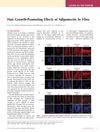
June 2012 in “Journal of Investigative Dermatology” Adiponectin may stimulate hair growth and could be a potential treatment for promoting hair growth.
 January 2025 in “Journal of Cosmetic Dermatology”
 Exosomes may help with hair growth and scar healing, but more research is needed.
 130 citations
,
June 2003 in “Journal of Investigative Dermatology Symposium Proceedings”
130 citations
,
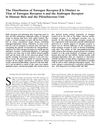
June 2003 in “Journal of Investigative Dermatology Symposium Proceedings” Estrogen Receptor ß (ERß) is the main hormone controller in human skin and hair follicles, not Estrogen Receptor α (ERα) or the Androgen Receptor (AR).
67 citations
,
August 2005 in “Journal of Investigative Dermatology Symposium Proceedings” Androgens promote beard growth but cause hair loss in androgenetic alopecia, with TGF-β1 as a potential treatment target.
 66 citations
,
January 2000 in “Hormone Research in Paediatrics”
66 citations
,
January 2000 in “Hormone Research in Paediatrics” Androgens can both promote and prevent hair growth due to differences in gene expression in hair follicles.
 5 citations
,
January 2004 in “Japanese journal of geriatrics”
5 citations
,
January 2004 in “Japanese journal of geriatrics” Male hormones can cause hair loss, but treatments like Minoxidil and Finasteride can help, and targeting TGF-B1 could be a future solution.
 80 citations
,
January 1995 in “The American Journal of Medicine”
80 citations
,
January 1995 in “The American Journal of Medicine” Hair loss in androgenetic alopecia is caused by genetic factors and androgen excess, and can be treated with combined therapies.
 December 2025 in “Sains Medisina”
 Essential oils from 12 herbal plants can naturally stimulate hair growth.
 November 2024 in “Research Square (Research Square)”
 Lipids may help treat hair loss by promoting hair growth through the HIF-1 pathway.
 April 2017 in “Plastic and reconstructive surgery. Global open”
 Baby and adult skin cells are different, with baby cells having more active pathways that could help grow new hair follicles.
 June 2016 in “Experimental Dermatology”
 Changing hair follicle identity could potentially reverse balding.
 April 2021 in “Journal of Investigative Dermatology”
 Leontopodium alpinum extract may help reduce hair shedding by keeping hair in the growth phase longer.
 May 2026 in “The EMBO Journal”
 Feather follicles form through specific cellular flows and mechanical changes in the skin.
 September 2016 in “Journal of dermatological science”
 Adult skin cells can be used to create new hair in a lab.
 209 citations
,
September 2008 in “Dermatologic Therapy”
209 citations
,
September 2008 in “Dermatologic Therapy” Androgens can both increase and decrease hair growth in different parts of the body.