 August 2021 in “Annals of Agricultural and Environmental Medicine”
 The article concludes that understanding Frontal Fibrosing Alopecia (FFA) is crucial for effective treatment, which includes medication like 5α-reductase inhibitors and hydroxychloroquine.
 January 2018 in “Springer eBooks”
 Gender affects hair and scalp characteristics, with differences in hormone responses, graying patterns, and trace metals.
 November 2025 in “Zenodo (CERN European Organization for Nuclear Research)”
 Hair Booster helps regrow hair by providing essential nutrients to fix internal imbalances.
 November 2025 in “Zenodo (CERN European Organization for Nuclear Research)”
 Hair Booster helps regrow hair by providing essential nutrients and correcting internal imbalances.
 2 citations
,
October 2020 in “Journal of The American Academy of Dermatology”
2 citations
,
October 2020 in “Journal of The American Academy of Dermatology” The authors suggest that scalp hair might protect against COVID-19 and call for more research on scalp health and the virus.

Female hair loss is often hereditary and can be treated with medication, hair transplants, and lasers.
 15 citations
,
February 2017 in “International Journal of Women's Dermatology”
15 citations
,
February 2017 in “International Journal of Women's Dermatology” Hair aging and loss are caused by genetics, hormones, environment, and grooming, with treatments like minoxidil effective for certain types of hair loss.
 December 2020 in “International journal of research in ayurveda and pharmacy”
 Eating well and avoiding synthetic hair products are key for healthy hair.
68 citations
,
May 2024 in “International Journal of Molecular Sciences” Personalized acne treatments and new therapies show promise for better results.
 277 citations
,
July 2011 in “Journal of the Dermatology Nurses’ Association”
277 citations
,
July 2011 in “Journal of the Dermatology Nurses’ Association” The skin's layers protect, sense, and regulate the body's internal balance, but can be prone to cancer.
September 2004 in “Experimental Dermatology” Stress and certain chemicals affect hair growth by interacting with the immune and nervous systems.

Androgenetic alopecia, or hair loss, is caused by a mix of genetics, hormones, and environment, where testosterone affects hair growth and causes hair to become smaller and grow for a shorter time.
 3 citations
,
February 2019 in “Journal of Cosmetic Dermatology”
3 citations
,
February 2019 in “Journal of Cosmetic Dermatology” The effects of estrogen on human scalp hair growth are unclear and need more research.
 59 citations
,
February 2012 in “Journal of Dermatological Science”
59 citations
,
February 2012 in “Journal of Dermatological Science” Environmental factors at different levels control hair stem cell activity, which could lead to new hair growth and alopecia treatments.
 4 citations
,
January 2018 in “Advances in Experimental Medicine and Biology”
4 citations
,
January 2018 in “Advances in Experimental Medicine and Biology” The document concludes that hair follicles have a complex environment and our understanding of it is growing, but there are limitations when applying animal study findings to humans.
 20 citations
,
May 2020 in “Experimental Dermatology”
20 citations
,
May 2020 in “Experimental Dermatology” Aging scalp skin contributes to hair aging and loss, and more research is needed to develop better hair loss treatments.
Fetal environments contain various chemicals that may disrupt hormones.
 232 citations
,
December 2005 in “Andrology”
232 citations
,
December 2005 in “Andrology” PCOS is caused by both genetics and environmental factors like diet and obesity.
 12 citations
,
January 1981 in “Springer eBooks”
12 citations
,
January 1981 in “Springer eBooks” Environmental factors like temperature and nutrition affect hair growth, with humans showing seasonal hair growth differences.
 98 citations
,
February 2007 in “Seminars in Cell & Developmental Biology”
98 citations
,
February 2007 in “Seminars in Cell & Developmental Biology” Androgens can both stimulate and cause hair loss, and understanding their effects is key to treating hair disorders.
 38 citations
,
October 1988 in “Clinics in Dermatology”
38 citations
,
October 1988 in “Clinics in Dermatology” Hormones, nutrition, and seasonal changes regulate hair growth cycles, with androgens extending growth phases and factors like aging and malnutrition affecting hair loss and thinning.
61 citations
,
September 2010 in “Journal of Dermatological Science” Stress hormones and autoimmune reactions can cause hair loss.
 1 citations
,
March 2020 in “Current Science”
1 citations
,
March 2020 in “Current Science” Most people in the surveyed area experience hair loss, but they are not aware of the role of diet, iron, hormones, genetics, and possibly water quality in causing it.
 26 citations
,
January 2020 in “Przegląd Menopauzalny”
26 citations
,
January 2020 in “Przegląd Menopauzalny” Menopausal women have higher androgen levels, which can cause symptoms like facial hair growth and low sexual desire.
 42 citations
,
February 2016 in “Science”
42 citations
,
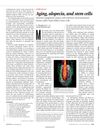
February 2016 in “Science” The document concludes that both internal stem cell factors and external influences like the environment and hormones affect hair loss and aging, with potential treatments focusing on these areas.
 35 citations
,
January 2014 in “BioMed Research International”
35 citations
,
January 2014 in “BioMed Research International” Female pattern hair loss involves hormonal factors, genetics, and may be linked to low ferritin levels.
7 citations
,
April 2022 in “Journal of pharmaceutical and biomedical analysis” The method can measure multiple steroids in human hair to study long-term steroid metabolism, especially in newborns and children.
 3 citations
,
October 2007 in “Expert Review of Dermatology”
3 citations
,
October 2007 in “Expert Review of Dermatology” Hair ages due to various factors and treatments like minoxidil and finasteride can help, but more research and better public awareness are needed.
 July 2018 in “Elsevier eBooks”
 Frontal Fibrosing Alopecia is a type of hair loss affecting mostly older women, with no agreed best treatment.
 January 2011 in “Journal of biological research”
 Endocrine disruptors may cause early hair loss.