1 citations
,
February 2025 in “Journal of the American Academy of Dermatology” Most men prefer keeping their eyebrows over scalp hair.
1 citations
,
April 2022 in “HCA Healthcare Journal of Medicine” Linear cutaneous lupus erythematosus on the scalp is rare, often affects young Asians, and can be treated with specific medications.
4 citations
,
January 2000 in “Durham e-Theses (Durham University)” Hair follicles help wounds heal faster, especially in active growth phase skin.
 7 citations
,
August 2018 in “The American Journal of Dermatopathology”
7 citations
,
August 2018 in “The American Journal of Dermatopathology” Researchers found a new early sign of Frontal Fibrosing Alopecia that could help avoid misdiagnosis.
40 citations
,
November 1966 in “Archives of Dermatology” Trichorrhexis nodosa is mainly caused by hair trauma and improves with gentler hair care.
22 citations
,
April 2012 in “Informa Healthcare eBooks” Frontal fibrosing alopecia is a type of hair loss that usually happens after menopause.
 11 citations
,
November 2018 in “Journal of the American Academy of Dermatology”
11 citations
,
November 2018 in “Journal of the American Academy of Dermatology” Tofacitinib therapy can effectively regrow eyebrows and eyelashes in some alopecia areata patients.
January 2025 in “Medical Research Archives” A new classification and scoring system is needed for alopecia areata to better assess severity.
23 citations
,
February 2003 in “British Journal of Dermatology” A rare type of skin lymphoma was identified, affecting hair follicles and sweat glands.
11 citations
,
March 2012 in “Actas Dermo-Sifiliográficas” Tinea capitis is increasingly common in elderly women and requires accurate diagnosis with fungal cultures for effective treatment.
 9 citations
,
January 2019 in “American Journal of Dermatopathology”
9 citations
,
January 2019 in “American Journal of Dermatopathology” DKK-1 gene linked to hair loss in AGA and AA patients; more research needed for potential therapy.
 1 citations
,
December 2013 in “Journal of Evolution of Medical and Dental Sciences”
1 citations
,
December 2013 in “Journal of Evolution of Medical and Dental Sciences” Alopecia areata causes patchy hair loss due to unknown factors, affecting all ages and genders.
 31 citations
,
April 2010 in “British journal of dermatology/British journal of dermatology, Supplement”
31 citations
,
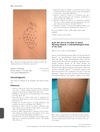
April 2010 in “British journal of dermatology/British journal of dermatology, Supplement” Frontal fibrosing alopecia can cause sudden hair loss on limbs, similar to scalp hair loss.
 21 citations
,
November 2009 in “Dermatologic Clinics”
21 citations
,
November 2009 in “Dermatologic Clinics” The document suggests that certain protein deficiencies and scalp blistering in Epidermolysis Bullosa may cause hair loss.
17 citations
,
August 2016 in “JEADV. Journal of the European Academy of Dermatology and Venereology/Journal of the European Academy of Dermatology and Venereology” Almost half of the men with beard hair loss also developed scalp hair loss within a year.
8 citations
,
August 2024 in “Clinical and Experimental Dermatology” A comprehensive scoring system for alopecia areata severity is needed.
 2 citations
,
June 2019 in “International Journal of Dermatology”
2 citations
,
June 2019 in “International Journal of Dermatology” The modified hair loss classification is more detailed but less user-friendly.
April 2024 in “International Journal of Women’s Dermatology” Lichen planopilaris should be considered in diagnosing scarring hair loss in Black women.

Scalp lesions in discoid lupus are more common in women and linked to other autoimmune diseases.
71 citations
,
December 2013 in “The journal of investigative dermatology. Symposium proceedings/The Journal of investigative dermatology symposium proceedings” There are no FDA-approved treatments for Alopecia Areata, and current options have varying success and relapse rates.
 41 citations
,
July 2017 in “Journal of The American Academy of Dermatology”
41 citations
,
July 2017 in “Journal of The American Academy of Dermatology” Men with Frontal fibrosing alopecia typically lose hair on the front scalp and sometimes on sideburns and upper lip, with treatments showing varied success.
 39 citations
,
October 2010 in “Journal of The American Academy of Dermatology”
39 citations
,
October 2010 in “Journal of The American Academy of Dermatology” Some patients with mycosis fungoides or Sézary syndrome experience hair loss, which may be similar to alopecia areata or linked to skin lesions, possibly due to abnormal T cells, and bexarotene can help treat it.
 14 citations
,
January 2012 in “International Journal of Trichology”
14 citations
,
January 2012 in “International Journal of Trichology” Hodgkin's lymphoma can show up as hair loss.
 12 citations
,
April 2020 in “Facial Plastic Surgery Clinics of North America”
12 citations
,
April 2020 in “Facial Plastic Surgery Clinics of North America” Hair transplant complications are rare with good planning and technique, but risks include infection, bleeding, and patient dissatisfaction.
1 citations
,
September 2014 in “Turkish Journal of Dermatology” Alopecia areata severity in children is linked to atopy history, disease duration, and nail involvement, but not anemia.
 October 2025 in “Revista Científica de Estética e Cosmetologia”
 Personalized hair care plans are essential for healthy hair.
March 2025 in “Revista Foco” Early diagnosis of Alopecia Frontal Fibrosante is crucial for effective treatment.
 May 2024 in “Deleted Journal”
 Cancer treatments can cause hair loss, but it is often reversible and can be managed with scalp cooling and support.
September 2023 in “Journal of the American Academy of Dermatology” Methylprednisolone treatment helps most alopecia areata patients, but young age, extensive hair loss, and low vitamin D can affect results.
December 2004 in “Microbial Ecology in Health and Disease” Pityriasis amiantacea is linked to Staphylococcus aureus infection and can be effectively treated with antibiotics, corticosteroids, and coal tar.