 44 citations
,
July 2011 in “Dermato-endocrinology”
44 citations
,
July 2011 in “Dermato-endocrinology” Thyroid hormone affects skin health, with too little causing rough, pale skin and too much leading to smooth, thin skin, and may also impact wound healing and skin conditions.
43 citations
,
September 2009 in “Stem Cells” A nonviral method was developed to label and culture human hair follicle stem cells.
 24 citations
,
July 2011 in “PubMed”
24 citations
,
July 2011 in “PubMed” Thyroid hormones affect skin texture, hair and nail growth, and can cause skin diseases related to thyroid problems.
11 citations
,
April 1993 in “PubMed” Human hair cells can change based on their environment, especially interactions with certain skin cells.
 5 citations
,
February 2019 in “Oral and Maxillofacial Surgery”
5 citations
,
February 2019 in “Oral and Maxillofacial Surgery” Hair loss can be reversed or even cured using advanced hair restoration techniques, with rare complications like swelling and bleeding.
 2 citations
,
April 2018 in “Journal of Investigative Dermatology”
2 citations
,
April 2018 in “Journal of Investigative Dermatology” Frontal fibrosing alopecia shows increased inflammation and JAK-STAT pathway activity without reduced hair proteins.
 March 2026 in “Zenodo (CERN European Organization for Nuclear Research)”
 Restoring hair follicle communication may treat hair loss and improve sexual dysfunction.
January 2026 in “Aging and Disease” DKK proteins could help diagnose and treat various non-cancerous diseases.
 September 2017 in “Journal of Investigative Dermatology”
 Thermal imaging is a useful non-invasive method to diagnose active inflammation in frontal fibrosing alopecia.
 January 2015 in “Springer eBooks”
 Fat-derived stem cells and their secretions show promise for treating skin aging and hair loss.
December 1990 in “PubMed” Topical 17 alpha-propylmesterolone increases hair cell growth in androgenetic alopecia.
236 citations
,
April 2015 in “Cell” Plucking some hairs can trigger nearby unplucked hairs to grow back more due to a collective response.
9 citations
,
October 2024 in “Heliyon” Exosomes show promise for healing diabetic foot ulcers.
3 citations
,
October 2020 in “IntechOpen eBooks” Regenerative medicine may offer long-lasting relief for chronic pain and neuro-degenerative conditions.
FoxA is crucial for pharynx regeneration in planarian flatworms.
2 citations
,
November 2023 in “Journal of Cosmetic Dermatology” Research on platelet-rich plasma in cosmetics has grown, but better studies are needed.
 April 2023 in “Journal of Investigative Dermatology”
 Defective T cell metabolism can cause early skin aging and poor hair follicle stem cell function.
April 2014 in “Zhonghua shiyan waike zazhi” Improved wigs showed good compatibility and no adverse reactions after transplantation.
344 citations
,
June 2006 in “American Journal Of Pathology” Human hair follicles can provide stem cells for regenerative medicine.
 115 citations
,
March 2019 in “Nature Communications”
115 citations
,
March 2019 in “Nature Communications” Frontal fibrosing alopecia is linked to four genetic areas, especially the HLA-B*07:02 allele.
 62 citations
,
June 2015 in “The Journal of Dermatology”
62 citations
,
June 2015 in “The Journal of Dermatology” People with alopecia areata have more Th17 cells and fewer Treg cells, which may be key to the condition's development.
 60 citations
,
February 1997 in “Journal of Dermatological Science”
60 citations
,
February 1997 in “Journal of Dermatological Science” Liposomes can safely and effectively deliver substances to mouse hair follicles, potentially useful for human hair treatments.
5 citations
,
January 2022 in “Health Science Reports” Gremlin proteins help regulate hair growth by balancing signals in hair follicles.
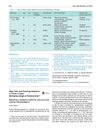 2 citations
,
November 2015 in “Actas Dermo-Sifiliográficas”
2 citations
,
November 2015 in “Actas Dermo-Sifiliográficas” The document suggests a possible link between mast cells and scarring alopecia, recommending more research for potential treatments.
 1 citations
,
May 2023 in “Biochemical and Biophysical Research Communications”
1 citations
,
May 2023 in “Biochemical and Biophysical Research Communications” Blocking DKK1 with siRNA can improve hair growth.
 January 2026 in “Current Issues in Molecular Biology”
 FGF-7 helps hair grow by activating hair follicles and is a promising target for hair loss treatments.
October 2025 in “International Journal of Molecular Sciences” Rebamipide may help regrow hair by activating hair follicle stem cells.
 April 2023 in “The journal of investigative dermatology/Journal of investigative dermatology”
 Too much IKZF1 and Ikaros protein may cause alopecia areata.
December 2020 in “Zenodo (CERN European Organization for Nuclear Research)” Certain herbs like stinging nettle, Indian gooseberry, and St. John's Wort can help improve hair growth and health.
 April 2019 in “The journal of investigative dermatology/Journal of investigative dermatology”
 848 genes related to fat and metabolism are less active in people with Central Centrifugal Cicatricial Alopecia.