 12 citations
,
July 2011 in “European Journal of Dermatology”
12 citations
,
July 2011 in “European Journal of Dermatology” The VSCAPSI is a helpful method for evaluating the severity of scalp psoriasis.
 7 citations
,
January 2009 in “International Journal of Trichology”
7 citations
,
January 2009 in “International Journal of Trichology” Dermoscopy can't help doctors identify scalp irritation caused by topical minoxidil.
 46 citations
,
April 2009 in “Journal of Dermatological Case Reports”
46 citations
,
April 2009 in “Journal of Dermatological Case Reports” Researchers established normal hair and scalp characteristics for healthy women using trichoscopy.
 304 citations
,
July 2006 in “Journal of The American Academy of Dermatology”
304 citations
,
July 2006 in “Journal of The American Academy of Dermatology” Videodermoscopy improves diagnosis of hair and scalp disorders and may reduce scalp biopsies.
7 citations
,
January 2007 in “PubMed” Videodermoscopy is a helpful, non-invasive tool for accurately diagnosing hair and scalp disorders.
 June 2023 in “International journal of pharmaceutical quality assurance”
 Videodermoscopy is effective for diagnosing different types of non-scarring hair loss.
 150 citations
,
April 2008 in “Journal of The American Academy of Dermatology”
150 citations
,
April 2008 in “Journal of The American Academy of Dermatology” Scalp dermoscopy is good for diagnosing a type of hair loss and helps choose the best spots for biopsy.
 April 2016 in “Journal of The American Academy of Dermatology”
 Low-cost videomicroscopy may not be reliable for diagnosing hair loss compared to standard videodermatoscopy.
 10 citations
,
January 2015 in “Skin appendage disorders”
10 citations
,
January 2015 in “Skin appendage disorders” Low-cost videomicroscopes are not as reliable as standard videodermatoscopes for scalp examination due to lower image quality.
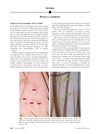 19 citations
,
December 2008 in “Journal of The American Academy of Dermatology”
19 citations
,
December 2008 in “Journal of The American Academy of Dermatology” The authors suggest that a new type of hair loss exists, which is different from alopecia areata.
October 2015 in “CRC Press eBooks” Trichoscopy is a useful tool for examining and monitoring hair and scalp conditions.
 44 citations
,
August 2008 in “Archives of Dermatology”
44 citations
,
August 2008 in “Archives of Dermatology” Trichoscopy is a non-invasive way to diagnose hair and scalp problems without needing hair samples.
Non-invasive methods can effectively diagnose and manage alopecia areata.
24 citations
,
July 2009 in “Mycoses” A scalp infection was treated successfully, leading to full hair regrowth.
 January 2015 in “Springer eBooks”
 Understanding hair structure and growth is key for diagnosing hair diseases accurately.
 April 2016 in “Journal of The American Academy of Dermatology”
 Low-cost videomicroscopes might not be reliable for examining scalp disorders compared to standard methods.
 April 2016 in “Journal of The American Academy of Dermatology”
 Low-cost videomicroscopes may not be reliable for diagnosing scalp disorders, smartphones could be reasonable for teledermatology, and U.S. residency programs need more teledermatology training.
2 citations
,
January 2012 Androgenetic alopecia is the only hair loss condition with specific diagnostic criteria in trichoscopy.
 1 citations
,
July 2008 in “Expert Review of Dermatology”
1 citations
,
July 2008 in “Expert Review of Dermatology” Normal hair thickness varies by scalp area and a mix of hair thicknesses is typical in healthy individuals.
41 citations
,
December 2008 in “Pediatric Dermatology” Trichoscopy can diagnose Netherton syndrome without pulling hairs.
13 citations
,
June 2011 in “PubMed” The patient improved significantly after treatment, with only one small scar remaining.
 143 citations
,
October 2008 in “Journal of The American Academy of Dermatology”
143 citations
,
October 2008 in “Journal of The American Academy of Dermatology” Comma hairs are a specific sign of tinea capitis when viewed with videodermatoscopy.
 33 citations
,
August 2013 in “British Journal of Dermatology”
33 citations
,
August 2013 in “British Journal of Dermatology” Lack of small, fine hair on the front hairline is a key sign of frontal fibrosing alopecia.
The woman has unexplained hair loss and it's unclear what her condition is or how to treat it.
 69 citations
,
January 2015 in “Current problems in dermatology”
69 citations
,
January 2015 in “Current problems in dermatology” Trichoscopy is a quick, noninvasive method to diagnose hair and scalp disorders, often reducing the need for biopsies.
 24 citations
,
November 2007 in “Journal of Investigative Dermatology Symposium Proceedings”
24 citations
,
November 2007 in “Journal of Investigative Dermatology Symposium Proceedings” Hair and scalp disorders significantly affect self-esteem, and using cosmetic products like conditioners and styling aids can improve hair health and appearance.
 245 citations
,
March 2012 in “Journal of The American Academy of Dermatology”
245 citations
,
March 2012 in “Journal of The American Academy of Dermatology” Dermatoscopy is useful for identifying different hair and scalp conditions and can reduce the need for biopsies.
 30 citations
,
January 2014 in “Annals of Dermatology”
30 citations
,
January 2014 in “Annals of Dermatology” Scalp dermatoscopy helps diagnose and monitor hair loss severity.
 6 citations
,
January 2015 in “Dermatology”
6 citations
,
January 2015 in “Dermatology” Trichoscopy helps diagnose hair and scalp problems but isn't always definitive and should be used with other methods.