 5 citations
,
January 2023 in “Journal of the European Academy of Dermatology and Venereology”
5 citations
,
January 2023 in “Journal of the European Academy of Dermatology and Venereology” Experts advise using sunscreen and proper skin care before, during, and after procedures to speed healing, prevent complications, and reduce scarring.
 3 citations
,
December 2022 in “Cells”
3 citations
,
December 2022 in “Cells” Cannabinoids like CBD and THC may help treat non-cancer skin diseases, but more research is needed.
1 citations
,
December 2025 in “Journal of Pharmacology and Experimental Therapeutics” Exosomes show promise in improving skin health and appearance.
1 citations
,
August 2024 in “Cosmetics” Melasma treatment is difficult, but combination therapies and personalized plans show promise.
 April 2026 in “Journal of Pharmaceutical and BioTech Industry”
 AI-enhanced smart patches can personalize drug delivery for better treatment outcomes.

The new biomimetic skin heals wounds faster and better than traditional treatments, without scarring.

Reprogramming adult fibroblasts may enable scar-free healing.
 February 2025 in “Advanced Composites and Hybrid Materials”
 Glutamic acid microneedle patches promote better hair growth than traditional treatments.
 November 2024 in “Skin Health and Disease”
 Minoxidil is effective for promoting hair growth and has various dermatological uses.
 March 2024 in “Indian Journal of Dermatology/Indian journal of dermatology”
 Exosomes could be key in treating skin conditions and healing wounds.
 August 2023 in “International Journal of Molecular Sciences”
 Human skin xenografting could improve our understanding of skin development, renewal, and healing.
 August 2024 in “Indian Journal of Skin Allergy”
 Stem-cell therapy shows promise for skin conditions but needs more research.
April 2024 in “Biomolecules” Exosomal miRNAs from stem cells can help improve skin health and delay aging.
June 2023 in “British Journal of Dermatology” Facial lichen planopilaris may be triggered by shaving and mustard oil, and early detection is crucial for better treatment outcomes.

Scalp micropigmentation usually needs two to three sessions, but factors like genetics, coverage area, and health conditions can require more.
May 2026 in “Cell Reports Medicine” FR-1 reduces skin scarring and promotes healing without harmful effects.
Aesthetic rehabilitation techniques can improve life quality and wellbeing for disabled patients.
20 citations
,
October 2024 in “British Journal of Dermatology” The guideline provides recommendations for managing alopecia areata effectively.
 18 citations
,
January 2020 in “Indian Dermatology Online Journal”
18 citations
,
January 2020 in “Indian Dermatology Online Journal” Platelet-rich plasma shows potential for hair loss and skin rejuvenation but needs more research for widespread use.
6 citations
,
December 2015 in “Journal of Dermatological Case Reports” Intradermal testing can better detect corticosteroid allergies than patch testing.
 2 citations
,
January 2023 in “Annals of Dermatology”
2 citations
,
January 2023 in “Annals of Dermatology” A hairless patch on a boy's scalp from birth injury improved with minoxidil treatment.
1 citations
,
December 2023 in “Life” PRP helps skin heal, possibly through special cells called telocytes.
 1 citations
,
November 2017 in “International Journal of Research in Medical Sciences”
1 citations
,
November 2017 in “International Journal of Research in Medical Sciences” Dermoscopy helps distinguish between scarring and non-scarring hair loss and accurately diagnoses hair and scalp conditions without needing hair plucking.
 1 citations
,
December 2013 in “Journal of Evolution of Medical and Dental Sciences”
1 citations
,
December 2013 in “Journal of Evolution of Medical and Dental Sciences” Alopecia areata causes patchy hair loss due to unknown factors, affecting all ages and genders.
 80 citations
,
March 2000 in “Journal of cutaneous pathology”
80 citations
,
March 2000 in “Journal of cutaneous pathology” The VVG stain effectively differentiates scar tissue from normal skin and helps classify types of permanent alopecia.
 12 citations
,
June 2012 in “Dermatologic Surgery”
12 citations
,
June 2012 in “Dermatologic Surgery” Hair transplantation effectively treated a woman's patchy hair loss when other treatments failed.
 11 citations
,
January 2011 in “Journal of Cutaneous and Aesthetic Surgery”
11 citations
,
January 2011 in “Journal of Cutaneous and Aesthetic Surgery” Follicular unit transplant successfully repigmented vitiligo patch on upper lip.
 15 citations
,
May 2015 in “Photomedicine and Laser Surgery”
15 citations
,
May 2015 in “Photomedicine and Laser Surgery” Low-Level Laser Therapy may help with flap survival and burn scar healing, but not with venous ulcers or hair loss, and more research is needed.
 1 citations
,
April 2022 in “The Journal of Family Practice”
1 citations
,
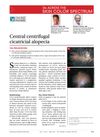
April 2022 in “The Journal of Family Practice” CCCA causes progressive hair loss in Black women, starting from a central scalp patch.
 August 2014 in “Plastic Surgery”
 Dr. WP Unger suggested that traditional strip harvesting might be better for hair transplants than Follicular Unit Extraction due to higher hair survival rates and less risk of a patchy look at the donor site.