 June 2004 in “Dermatologic Surgery”
 The commentary suggests that using a single-scar technique for hair transplants can give good cosmetic results, but some surgeons hesitate to use it despite ways to address their concerns.
 June 2017 in “Experimental dermatology”
 Skin has a larger surface area than thought, certain skin cells improve skin flap survival, better trials for skin conditions in children are needed, Stevens-Johnson syndrome rates vary by age and race, and better skin barrier function may reduce inflammation in the elderly.
 May 2020 in “JOJ Dermatology & Cosmetics”
 A rare skin condition usually on the face was found on a man's heel.
23 citations
,
January 2024 in “Journal of Investigative Dermatology” Corticosteroids can reduce scarring in acne keloidalis by targeting specific cells.
18 citations
,
April 1989 in “Clinics in Dermatology” The argon gas-based cryotherapy effectively reduced keloid scars but caused some hypopigmentation and had a recurrence rate, especially in Afro-American patients.
 7 citations
,
December 2021 in “Curēus”
7 citations
,
December 2021 in “Curēus” Breast cancer skin metastases are rare, look different, and can be confused with other skin issues, so a biopsy is needed for accurate diagnosis.
 October 2023 in “Egyptian Journal of Oral and Maxillofacial Surgery”
 Scarring after cleft lip and palate surgery is a major issue, and the review looks at ways to manage it.
September 2024 in “Journal of the American Academy of Dermatology” Subcision is the most efficient, cost-effective, and safest treatment for post-acne boxcar scarring in skin of color.
8 citations
,
January 2019 in “JAAD Case Reports” EPDS can cause recurring scalp sores and hair loss if not treated.
26 citations
,
July 2007 in “Wound Repair and Regeneration” MRL/MpJ mice heal burns slower with more scarring and less tissue regeneration than BALB/c mice.
 May 2015 in “Journal of The American Academy of Dermatology”
 A woman was injured by a hedgehog falling on her, causing skin lesions but no disease.
 23 citations
,
March 1998 in “Dermatologic Surgery”
23 citations
,
March 1998 in “Dermatologic Surgery” Radiosurgery in cosmetic surgery leads to quick healing and better-looking scars.
 February 2026 in “Ciencia Latina Revista Científica Multidisciplinar”
 Early recognition of skin issues in immunocompromised patients is crucial for better outcomes.
 November 2023 in “European medical journal. Dermatology”
 Early diagnosis and new treatments are crucial to prevent permanent hair loss in scarring alopecia.
31 citations
,
February 1999 in “Dermatologic surgery” Sun exposure after laser hair removal can cause skin darkening, which is hard to treat and requires avoiding UV light.
 January 2015 in “Independent Nurse”
 Different scalp conditions can lead to hair loss or tumors, with treatments varying from creams to surgery; early detection is crucial.
 26 citations
,
December 2013 in “Aesthetic Plastic Surgery”
26 citations
,
December 2013 in “Aesthetic Plastic Surgery” Micropigmentation safely and effectively hides scalp hair loss and scars.
 1 citations
,
December 2020 in “Acta dermato-venereologica”
1 citations
,
December 2020 in “Acta dermato-venereologica” Some scalp sores are linked to different inherited skin conditions.
 November 2023 in “Journal of the American Academy of Dermatology”
 Skin of color can spontaneously repigment after a phenol-croton oil chemical peel.
April 2021 in “Journal of Investigative Dermatology” Early-stage skin substitutes improve wound healing and skin structure.
1 citations
,
February 2025 in “Cell Cycle” HAP stem cell sheets speed up wound healing and reduce scarring.
 July 2024 in “International Journal of Dermatology Venereology and Leprosy Sciences”
 The combination treatment improved acne scars.
Transplanting beard hair into a scalp wound after hair transplant surgery improves scar appearance and hair keeps its normal traits.
 1 citations
,
November 2014 in “Elsevier eBooks”
1 citations
,
November 2014 in “Elsevier eBooks” Future research should focus on making bioengineered skin that completely restores all skin functions.
 June 2002 in “Surgery (oxford)”
 The document says that treating burns late focuses on improving function, appearance, and helping patients return to normal life, using both non-surgical and surgical methods.
10 citations
,
June 2024 in “Skin Research and Technology” Autologous epidermal cell suspensions speed up healing and reduce complications in skin lesion treatment but have limited impact on cosmetic outcomes.
 6 citations
,
March 1996 in “The American Journal of Cosmetic Surgery”
6 citations
,
March 1996 in “The American Journal of Cosmetic Surgery” A new hair transplant method creates one appealing scar, uses donor hair better, and speeds up surgery.
 December 2008 in “The American Journal of Cosmetic Surgery”
 Multi-pass laser skin treatments improved healing, reduced pain, and had no major complications.

Trichodysplasia spinulosa can occur after a heart transplant due to immunosuppressive drugs.
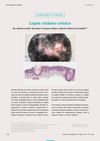 January 2024 in “Revista Dermatológica Centro Uraga”
 The patient has Chronic Cutaneous Lupus, a skin condition causing plaques and hair loss.