January 2024 in “Updates in clinical dermatology” Frontal fibrosing alopecia is a scarring hair loss condition mainly affecting postmenopausal women, with unclear causes.
 November 2023 in “The journal of investigative dermatology/Journal of investigative dermatology”
 Early treatment and multidisciplinary care are key to managing Frontal Fibrosing Alopecia and preventing further hair loss.
July 2020 in “DOAJ (DOAJ: Directory of Open Access Journals)” Excessive sun protection might contribute to frontal fibrosing alopecia.
 May 2015 in “Journal of the American Academy of Dermatology”
 Certain drugs and supplements may contribute to hair loss in the frontal hairline in older women.
June 2025 in “Medical alphabet” JAK inhibitors may help treat alopecia areata in children, but their safety needs careful evaluation.
January 2023 in “Zenodo (CERN European Organization for Nuclear Research)” Refractory alopecia areata can be managed with medical treatments, psychological support, and aesthetic options.
Asian hair's unique features make hair loss management and surgery more challenging.

Dense-packing hair grafting is a simple, safe, and effective way to restore hair in people with cicatricial alopecia.
June 2021 in “Cosmoderma” Hair transplantation techniques have improved, making the process safer and more effective with less visible scarring.
 March 2019 in “Chinese Journal of Dermatology”
 Hair loss, known as androgenetic alopecia, is mainly caused by genetics, but also by hormone imbalances, shrinking hair follicles, inflammation, and environmental factors.
1 citations
,
December 2023 in “JAAD International” Mast cells may significantly contribute to central centrifugal cicatricial alopecia.
 February 2026 in “Brazilian Journal of Implantology and Health Sciences”
 Chronic stress and high cortisol levels can cause hair loss by disrupting hair growth.
 July 2025 in “JAAD Case Reports”
 A thorough assessment and combined treatment are crucial for managing complex alopecia, especially in patients with skin of color.
 September 2013 in “Hair transplant forum international”
 The document says doctors should identify and treat Frontal fibrosing alopecia medically before considering surgery, as treatments often don't work well.

Hair loss in African American women, caused by hair care, genetics, and environment, needs more research for better treatment.
 109 citations
,
May 2011 in “Dermatologic Therapy”
109 citations
,
May 2011 in “Dermatologic Therapy” Alopecia areata is a type of hair loss that can lead to complete baldness, often associated with other autoimmune conditions, and half of the cases may see hair return within a year.
32 citations
,
August 2016 in “Journal of the American Academy of Dermatology” Temporal triangular alopecia is a non-scarring hair loss in children, often linked to other health conditions.
 19 citations
,
August 2011 in “Archives of Dermatology”
19 citations
,
August 2011 in “Archives of Dermatology” CCCA is a common scarring hair loss in African descent women, possibly linked to genetics, hair care practices, and health issues like diabetes.
 15 citations
,
November 2015 in “Journal of Dermatology and Dermatologic Surgery”
15 citations
,
November 2015 in “Journal of Dermatology and Dermatologic Surgery” Mixing platelet-rich plasma with triamcinolone acetonide can potentially improve hair regrowth in alopecia areata patients.
 3 citations
,
June 2023 in “Medicines”
3 citations
,
June 2023 in “Medicines” Some antiseizure medications can cause reversible hair loss, with valproate, lamotrigine, and carbamazepine being the most common.
 2 citations
,
January 2020 in “Einstein (São Paulo)”
2 citations
,
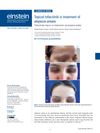
January 2020 in “Einstein (São Paulo)” Topical tofacitinib shows promise as a future treatment for alopecia areata.
 2 citations
,
November 2018 in “Medunab”
2 citations
,
November 2018 in “Medunab” Low ferritin levels are linked to chronic hair loss in women.
January 2026 in “JPRAS Open” PDLLA scalp injections improved hair regrowth in most patients with non-scarring alopecia.
 April 2022 in “Indexia revista médico - científica”
 Alopecia causes sudden hair loss, possibly due to genetic, environmental, or immune factors.
 56 citations
,
March 2010 in “Journal of Dermatology”
56 citations
,
March 2010 in “Journal of Dermatology” Most cases of Temporal Triangular Alopecia are found in early childhood and may be related to genetic conditions.
47 citations
,
June 2017 in “Journal of dermatology” New treatments for alopecia areata show promise, but no cure exists and responses to treatments vary.
36 citations
,
January 2000 in “British journal of dermatology/British journal of dermatology, Supplement” A mother and daughter had severe skin, hair, and eye issues linked to IFAP.
35 citations
,
September 2011 in “The Journal of Dermatology” Trichoscopy helps accurately diagnose temporal triangular alopecia.
 28 citations
,
July 2002 in “Australasian Journal of Dermatology”
28 citations
,
July 2002 in “Australasian Journal of Dermatology” Lupus can look like hair loss from alopecia areata but needs different treatment.
 23 citations
,
November 2011 in “Journal of the European Academy of Dermatology and Venereology”
23 citations
,
November 2011 in “Journal of the European Academy of Dermatology and Venereology” Hair loss is a rare but recognized symptom of pemphigus vulgaris, with patients usually regrowing hair after treatment.