"Coco de mono" seeds cause temporary hair loss due to selenocystathionine.
 1 citations
,
January 2016 in “Elsevier eBooks”
1 citations
,
January 2016 in “Elsevier eBooks” The document concludes that identifying the specific cells where skin cancers begin is important for creating better prevention, detection, and treatment methods.
 8 citations
,
January 1989 in “Journal of The American Academy of Dermatology”
8 citations
,
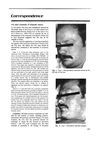
January 1989 in “Journal of The American Academy of Dermatology” CO2 laser treatment successfully removed traumatic tattoos with minimal scarring.
 December 2023 in “bioRxiv (Cold Spring Harbor Laboratory)”
 Different types of inactive melanocyte stem cells exist with unique characteristics and potential to develop into other cells.
 7 citations
,
January 2015 in “Case reports in genetics”
7 citations
,
January 2015 in “Case reports in genetics” Using SNP array testing helped quickly find the gene causing Woodhouse-Sakati syndrome in two related individuals.
 1 citations
,
January 1994 in “The Journal of Dermatologic Surgery and Oncology”
1 citations
,
January 1994 in “The Journal of Dermatologic Surgery and Oncology” The success of a chemical peel depends on assessing the depth of peeling accurately to achieve safe and predictable results.
60 citations
,
December 2020 in “Stem Cell Research & Therapy” ASC-CM is more effective than EV for treating osteoarthritis.
January 2026 in “International Journal of Molecular Sciences” S100a4 is key for hair growth in cashmere goats.
9 citations
,
June 2014 in “Molecular biology reports” KAP9.2 and Hoxc13 genes are important for cashmere growth and vary in activity during different stages.
 15 citations
,
October 2016 in “Steroids”
15 citations
,
October 2016 in “Steroids” Researchers developed a new method to find substances in herbs that can block a specific enzyme linked to hair loss.
January 2016 in “Huanjing yu Jiankang Zazhi”  January 2024 in “Forte Journal”
 The hair oil with lemongrass and coconut oil promotes hair growth effectively.
August 2000 in “Microscopy and Microanalysis” The method successfully visualizes iodine in biological tissues.
15 citations
,
June 2023 in “Journal of Microbiology and Biotechnology” Loliolide from Scenedesmus deserticola may help with anti-aging.
 1 citations
,
October 2017 in “Circulation”
1 citations
,
October 2017 in “Circulation” A new technology showed that the SOX9 gene might control heart scar formation after injury, suggesting new treatment possibilities.
87 citations
,
March 2007 in “Biological Chemistry” Deleting the scd1 gene in mice prevents obesity by disrupting skin lipids and improving heat regulation.
January 2015 in “Dermatología Venezolana” The document's conclusion cannot be summarized because the content is not available for analysis.
 September 2006 in “Dermatologic Surgery”
 Some aggressive scalp cancers are hard to treat and can be deadly, even when removed with specialized surgery.
A comprehensive human skin cell atlas was created to better understand skin biology and disease.
 January 2002 in “Journal of Toxicology-cutaneous and Ocular Toxicology”
 Botanical extracts are increasingly important in cosmetics and drugs for their effectiveness and safety, backed by traditional use and scientific evidence.
 April 2021 in “Elsevier eBooks”
 The document's conclusion cannot be provided because the document is not accessible or understandable.
 September 2025 in “Frontiers in Genetics”
 The method effectively extracts high-quality DNA from marmoset hair, avoiding blood chimerism.
101 citations
,
January 2014 in “Journal of Visualized Experiments” The method effectively measures long-term stress levels using hair samples.
20 citations
,
December 2012 in “Journal of molecular structure” The study found that thioglycolic acid breaks down hair bonds more consistently than l-cysteine, which is less damaging to hair.
4 citations
,
December 2024 in “Protein & Cell” MultiKano accurately identifies cell types in complex data better than existing methods.
ETS2 drives cancer progression in squamous cell carcinoma and is linked to poor patient outcomes.
March 2011 in “Cancer Epidemiology Biomarkers & Prevention” SLCO genes may predict prostate cancer mortality risk, and lifestyle changes improve health in advanced prostate cancer.
2 citations
,
November 1973 in “PubMed” Sulfur-35 can be used to track hair growth and past exposure.
 16 citations
,
February 2019 in “Gene”
16 citations
,
February 2019 in “Gene” Researchers found a good way to isolate hair follicle stem cells from newborn goats for further study.
 June 2024 in “Nature Cell and Science”
 The Scalp Coverage Scoring method reliably measures hair density from images.