173 citations
,
July 2012 in “British Journal of Dermatology” Dabrafenib can cause skin growths and sometimes low-grade skin cancer.
 54 citations
,
April 2020 in “Experimental & Molecular Medicine”
54 citations
,
April 2020 in “Experimental & Molecular Medicine” Cox-2 significantly contributes to the development and progression of skin and esophageal cancers.
 51 citations
,
March 2014 in “Nature Communications”
51 citations
,
March 2014 in “Nature Communications” Skin tumor regression is helped by retinoic acid signaling blocking Wnt signaling.
 2 citations
,
September 2010 in “Journal of the Dermatology Nurses’ Association”
2 citations
,
September 2010 in “Journal of the Dermatology Nurses’ Association” Transplant patients on immunosuppressive medications have a higher risk of skin cancer, and managing this involves balancing medication with cancer risk.
 18 citations
,
September 2006 in “Dermatologic Surgery”
18 citations
,
September 2006 in “Dermatologic Surgery” Aggressive scalp squamous cell carcinomas have a high death rate and need early, strong treatment.
ETS2 is crucial in squamous cell carcinoma development and could be a therapeutic target.
ETS2 drives cancer progression in squamous cell carcinoma and is linked to poor patient outcomes.
31 citations
,
October 2019 in “Genes & Diseases” Basal cell carcinomas and squamous cell carcinomas have different gene activity patterns, suggesting unique treatment approaches.
 September 2006 in “Dermatologic Surgery”
 Some aggressive scalp cancers are hard to treat and can be deadly, even when removed with specialized surgery.
157 citations
,
October 2002 in “Journal of Cutaneous Pathology” p63 may influence skin cancer development and cell differentiation.
35 citations
,
January 2006 in “Cancer Research” Mice with extra PKCδ resist chemical-induced skin cancer but not UV-induced.
3 citations
,
April 2012 in “Cancer research” Mouse skin cancer progression involves a unique group of cells marked by ABCG2 and MTS24.
January 2003 in “The Chinese Journal of Burns Wounds & Surface Ulcers” CK 19 expression is higher in more severe skin cancers.
 174 citations
,
November 2016 in “Cell stem cell”
174 citations
,
November 2016 in “Cell stem cell” Different types of skin cells have unique genetic markers that affect how likely they are to spread cancer.
 24 citations
,
January 2019 in “Theranostics”
24 citations
,
January 2019 in “Theranostics” Loss of Pten in certain hair follicle stem cells increases skin cancer risk.
 15 citations
,
July 2013 in “Cell Reports”
15 citations
,
July 2013 in “Cell Reports” Indian Hedgehog helps control skin cell growth and protects against aggressive skin cancer.
14 citations
,
August 2010 in “Journal of Investigative Dermatology” HPV does not cause aggressive cancer in RDEB patients.
 8 citations
,
October 2018 in “Journal of the European Academy of Dermatology and Venereology”
8 citations
,
October 2018 in “Journal of the European Academy of Dermatology and Venereology” Mohs micrographic surgery is effective for early-stage non-melanoma skin cancers on the lips, with basal cell carcinoma more common on the upper cutaneous lip and squamous cell carcinoma more common on the lower vermilion lip.
 8 citations
,
March 2014 in “American Journal of Pathology”
8 citations
,
March 2014 in “American Journal of Pathology” Damaged hair follicles make mice more prone to skin inflammation and skin cancer after UV exposure.
3 citations
,
November 2011 in “Small GTPases” Researchers found that hair follicle stem cells can become squamous cell carcinoma due to Ras activation, which could lead to new treatments.
Deleting Smad4 and PTEN genes in mice causes rapid, invasive forestomach cancer.
Deleting Smad4 and PTEN genes in mice causes rapid, invasive stomach cancer.
Loss of the p53 gene alone causes tumors, and losing both p53 and Rb genes speeds up aggressive skin cancer.
Loss of the p53 gene alone causes tumors, and losing both p53 and Rb genes speeds up aggressive skin cancer.
May 2022 in “The journal of investigative dermatology/Journal of investigative dermatology” Loss of TET2 increases the risk of skin and oral cancer.
January 2019 in “Publisher” Human basal cell carcinomas and squamous cell carcinomas have unique gene expression patterns not fully mirrored in mouse models.
Stem cells play a key role in nonmelanoma skin cancers, with different origins and genetic changes linked to basal and squamous cell carcinomas.
 August 2017 in “Journal of Investigative Dermatology”
 Activin increases skin tumor formation, skin Tregs help hair growth, lymph-node removal doesn't improve melanoma survival, cells can revert to stem cells in wound healing, and skin bacteria produce peptides that may treat infections.
 9 citations
,
November 1993 in “Journal of The American Academy of Dermatology”
9 citations
,
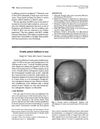
November 1993 in “Journal of The American Academy of Dermatology” Some men can have female pattern baldness without hormonal abnormalities or signs of feminization.
 5 citations
,
May 2006 in “Dermatologic Surgery”
5 citations
,
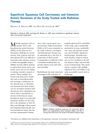
May 2006 in “Dermatologic Surgery” Radiation therapy successfully treated an elderly man's skin cancer and pre-cancerous scalp lesions.