September 2006 in “Pediatrics in Review” Early diagnosis and treatment are crucial for complex medical conditions.
28 citations
,
September 2014 in “Journal of Veterinary Internal Medicine” VDC-1101 shows potential as a treatment for canine cutaneous T-cell lymphoma.
 May 2024 in “Animal genetics”
 A cat's poor wound healing was linked to a genetic deletion in the COL5A1 gene.
 October 2021 in “Journal of Investigative Dermatology”
 COVID-19 infection rates were low in patients with immune diseases, regardless of their treatment type.
 April 2017 in “Journal of Investigative Dermatology”
 Targeted siRNA therapy may be a promising treatment for KID syndrome by reducing mutant gene expression and improving cell communication.
 December 2022 in “Gastroenterology”
 A man with Cronkhite-Canada syndrome improved significantly with immunosuppressive therapy.
 28 citations
,
November 2013 in “The FASEB journal”
28 citations
,
November 2013 in “The FASEB journal” Mice with CBS deficiency are healthier on a low-methionine diet.
1 citations
,
January 2023 in “Pediatric Dermatology” Early diagnosis and teamwork are crucial for managing ILVASC effectively.
February 2025 in “Gastroenterology” Corticosteroids improved symptoms in a man with Cronkhite-Canada Syndrome.
 October 2023 in “The American Journal of Gastroenterology”
 Cronkhite-Canada syndrome is rare, with high mortality and cancer risk, needing more research for treatment guidelines.
1 citations
,
April 2024 in “Journal of Cutaneous Pathology” Recurrent NICF is a rare skin condition with unclear causes, involving follicle inflammation and crystal deposits.
11 citations
,
November 2011 in “The Journal of Dermatology” Connexin-26 gene mutations may increase cancer risk in KID syndrome patients.
26 citations
,
June 2024 in “Frontiers in Immunology” SOCS1 and SOCS3 help control skin inflammation and are important for developing treatments for skin diseases.
August 2004 in “Veterinary Dermatology” Cats with internal diseases can develop skin issues that may require specific treatments.
36 citations
,
March 2014 in “Molecular and Cellular Biology” Cidea is essential for proper lipid storage and secretion in sebaceous glands, affecting skin and hair health.
 11 citations
,
July 2014 in “Gene”
11 citations
,
July 2014 in “Gene” The S250C variant in a gene may cause autoimmunity and immunodeficiency by impairing protein function.
2 citations
,
January 1989 Tay syndrome is a unique genetic disorder causing skin, hair, and developmental issues.
87 citations
,
July 2009 in “Journal of Cell Science” Deleting the CDSN gene causes severe skin and hair problems, leading to death.
56 citations
,
January 2004 in “Journal of the American Academy of Dermatology” Cyclosporine can cause a unique skin condition called "cyclosporine-induced folliculodystrophy."
 2 citations
,
December 2021
2 citations
,
December 2021 The research found that the properties of solid-state Electronic Circular Dichroism (ss-ECD) are influenced by the orientation of local crystals, which could help in examining and mapping chiral materials like pharmaceutical ingredients.
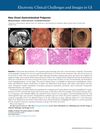 August 2013 in “Gastroenterology”
 A 60-year-old man with Cronkhite-Canada syndrome improved with treatment, but the condition has a high mortality rate and a risk of colorectal cancer.
39 citations
,
September 2018 in “American Journal of Medical Genetics Part A” A new genetic mutation in the ODC1 gene causes developmental delay and other symptoms in a young girl.
July 2024 in “Journal of Investigative Dermatology” A KLK5 inhibitor effectively improved skin symptoms in a mouse model of Netherton Syndrome.
 October 2024 in “Medicine”
 Cronkhite-Canada syndrome is rare, has a poor prognosis, and requires early diagnosis and ongoing treatment.
6 citations
,
August 2016 in “Journal of Visualized Experiments” The CUBIC protocol allows detailed 3D visualization of proteins in mouse skin biopsies.
2 citations
,
August 2022 in “World Journal of Clinical Cases” Albumin and prednisone improved symptoms in a woman with Cronkhite-Canada syndrome, revealing potential genetic causes.
27 citations
,
July 1997 in “PubMed” The harlequin ichthyosis mouse mutation causes thick skin and early death, resembling a human skin disorder.
179 citations
,
June 2000 in “The American journal of pathology” The absence of functional sebaceous glands causes hair follicle destruction and scarring alopecia.
 81 citations
,
July 2008 in “The Journal of Clinical Endocrinology and Metabolism”
81 citations
,
July 2008 in “The Journal of Clinical Endocrinology and Metabolism” Certain mutations in the H6PD gene cause Cortisone Reductase Deficiency by affecting hormone production.
June 2026 in “Strathprints: The University of Strathclyde institutional repository (University of Strathclyde)” Topical IKKα inhibitors may help prevent CCS tumours.