 August 2023 in “Journal of The American Academy of Dermatology”
 Early treatment is key for permanent hair loss disorders, with options ranging from medications and phototherapy to immunomodulators and antibiotics, depending on severity and type.
 April 2024 in “International Journal of Research Publication and Reviews”
 Alopecia areata causes hair loss with varied treatment responses and frequent relapses.
 41 citations
,
July 2015 in “Clinical and Experimental Dermatology”
41 citations
,
July 2015 in “Clinical and Experimental Dermatology” Psoriasis can cause temporary or permanent hair loss.
 5 citations
,
January 2018 in “Acta Dermatovenerologica Alpina Pannonica et Adriatica”
5 citations
,
January 2018 in “Acta Dermatovenerologica Alpina Pannonica et Adriatica” Congenital atrichia with papular lesions causes permanent hair loss in children.
 January 2023 in “Vìsnik problem bìologìï ì medicini”
 Androgenic alopecia causes hair follicle degradation and skin restructuring, but some hair elements remain.
2 citations
,
January 2018 Diffuse alopecia areata causes widespread hair thinning due to an autoimmune response.
November 2023 in “Journal of Investigative Dermatology” Different types of hair loss have unique cellular changes, suggesting new treatment targets.
April 2012 in “Journal of evolution of medical and dental sciences” No effective treatment exists to stimulate hair growth in atrichia with papular lesions.
1 citations
,
May 2024 in “Skin Appendage Disorders” Hair regrowth was achieved using 5-Fluorouracil and Bleomycin for scalp atrophy caused by corticosteroids.
25 citations
,
June 1975 in “Archives of Dermatology” Corticosteroid injections for hair loss can cause skin thinning.
 3 citations
,
July 2014 in “QJM”
3 citations
,
July 2014 in “QJM” A 35-year-old man had patchy hair loss that was actually due to syphilis, not alopecia areata.
16 citations
,
February 1999 in “American Journal of Dermatopathology” Lymphocytes may hinder hair stem cells, causing hair loss without scarring.
January 2016 in “Indian dermatology online journal” Frontal fibrosing alopecia causes hair loss at the front hairline, and no effective treatment exists.
 29 citations
,
June 2013 in “Journal of the Saudi Society of Dermatology & Dermatologic Surgery”
29 citations
,
June 2013 in “Journal of the Saudi Society of Dermatology & Dermatologic Surgery” Alopecia areata is an autoimmune hair loss condition treated with corticosteroids, and histologic confirmation is the best diagnosis method.
September 2023 in “Journal of the American Academy of Dermatology” Severe alopecia areata may increase the risk of hidden artery disease.
42 citations
,
August 1987 in “Archives of Dermatology” Squaric acid dibutylester led to complete hair regrowth in 28.5% of patients with alopecia areata.
 January 2012 in “Yearbook of Dermatology and Dermatologic Surgery”
 Alopecia areata is a hair loss condition that often starts before age 30 and can affect various body parts, with unpredictable hair regrowth chances.
 3 citations
,
March 2017 in “Case Reports in Dermatology”
3 citations
,
March 2017 in “Case Reports in Dermatology” A woman with lupus improved significantly from scalp hair loss after treatment, highlighting the need to identify psoriatic alopecia in lupus patients to avoid permanent hair loss.
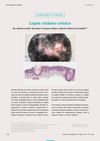 January 2024 in “Revista Dermatológica Centro Uraga”
 The patient has Chronic Cutaneous Lupus, a skin condition causing plaques and hair loss.
8 citations
,
January 2002 in “Piel” Postmenopausal women may experience frontal hairline and eyebrow loss due to cicatricial fibrosis.
 January 2026 in “Acta Dermatovenerologica Alpina Pannonica et Adriatica”
 Primary cicatricial alopecia causes permanent hair loss by destroying hair follicles, and its exact cause is unknown.
 January 1953 in “The Lancet”
 Alopecia areata's causes are unclear, treatments exist but relapses are common.
 November 2018 in “Skin appendage disorders”
 The document concludes that a woman has both Frontal Fibrosing Alopecia and Lichen Simplex Chronicus, a previously unreported combination of conditions.
 September 2025 in “Ukrainian Journal of Dermatology Venerology Cosmetology”
 Early diagnosis and treatment can stop hair loss and prevent scalp damage in pseudopelade of Brocq.
August 2025 in “Clinical and Experimental Dermatology” Alopecia areata treatments often don't lead to lasting improvement.
January 2024 in “Revista Dermatológica Centro Uraga” Frontal fibrosing alopecia is increasingly affecting men, causing hair loss around the hairline and possibly other areas.
 30 citations
,
October 2013 in “Lupus”
30 citations
,
October 2013 in “Lupus” Hair loss in lupus is different from hair loss in alopecia areata and may indicate lupus activity.
April 2021 in “Aktuelle Dermatologie” Frontal Fibrosing Alopecia is a type of hair loss that mainly affects postmenopausal women, has unclear causes, and lacks evidence-based treatments.
1 citations
,
January 2022 in “Skin appendage disorders” DCPA is a chronic skin condition affecting the legs, often misdiagnosed, and needs more research for better understanding and treatment.
 October 2025 in “International Journal of Molecular Sciences”
 Early intervention in patch-type alopecia may prevent progression to more severe forms by targeting immune pathways and preserving keratin.