 February 2024 in “International Journal of Molecular Sciences”
 Hair loss in Androgenetic Alopecia is caused by genetics, aging, and lifestyle, leading to hair follicle shrinkage and related health risks.
 January 2024 in “Biomedical journal of scientific & technical research”
 CRISPR/Cas9 gene-editing may effectively treat hair loss but requires more research for safe use.
 January 2024 in “Journal of lipid research”
 Finasteride may lower cholesterol and slow heart disease progression.
 November 2023 in “Frontiers in Neuroendocrinology”
 Some people experience lasting sexual, psychological, and sleep problems after using finasteride or SSRI antidepressants, possibly due to similar underlying causes.
 November 2023 in “Materials Today Bio”
 Light therapy might help treat hereditary hair loss by improving hair follicle growth in lab cultures.
 September 2023 in “Medicina-lithuania”
 The study suggests that analyzing DNA can help treat hair loss, but more research is needed.
 July 2023 in “Pharmacognosy Magazine”
 Cerasus serrulata flower extracts have strong antibacterial and antioxidant effects and may help prevent hair loss.
 June 2023 in “Frontiers in Medicine”
 Protein tyrosine kinases are key in male pattern baldness, affecting skin structure, hair growth, and immune responses.
 June 2023 in “Stem cell reviews and reports”
 Stem cell therapies could be a promising alternative for hair loss treatment, but more research is needed to understand their full potential and safety.
January 2023 in “WikiJournal of Medicine” Understanding alternative androgen pathways can improve diagnosis and treatment of certain hormonal disorders.
December 2022 in “JAMA network open” 5α-Reductase inhibitors may increase depression risk but not dementia or suicide.
Natural products may help treat hair loss by promoting hair growth with fewer side effects.
January 2022 in “Springer eBooks” 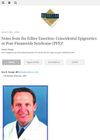 November 2016 in “Hair transplant forum international”
 The conclusion is that more research is needed to understand if the drug finasteride causes Post-Finasteride Syndrome or if it's due to individual genetic makeup.
 April 2018 in “Journal of Investigative Dermatology”
 Removing STAT5 from 3D-cultured human skin cells reduces their ability to grow hair.
December 2021 in “Figshare” BBS7 is essential for maintaining healthy gums and teeth.
December 2005 in “Science s STKE” Localized ROS production is essential for cell growth and movement in plants and animals.
May 2026 in “Chemical Engineering Journal” 1 citations
,
July 2020 in “The Egyptian Journal of Hospital Medicine” The MDR1 C3435T polymorphism does not significantly affect methotrexate response in rheumatoid arthritis patients.
8 citations
,
January 2024 in “Journal of Materials Chemistry B” ADM hydrogels help heal radiation skin injuries.
 7 citations
,
July 2020 in “Immunological Investigations”
7 citations
,
July 2020 in “Immunological Investigations” The rs231775 genetic variant is linked to a higher risk and severity of Alopecia Areata in males.
 2 citations
,
September 2022
2 citations
,
September 2022 The PER3 rs772027021 SNP may cause mild skin pigmentation changes in a new subtype of dyschromatosis universalis hereditaria.
44 citations
,
August 2004 in “Journal of Investigative Dermatology” A gene deletion in DSG4 causes sparse hair in some Pakistani families.
May 2026 in “Free Radical Biology and Medicine” 3 citations
,
December 2022 in “The Neurologist” CARASIL, a rare genetic disorder, was confirmed in an Arabic woman, highlighting its rarity and need for stroke prevention.
A new method allows for controlled, long-lasting delivery of retinoic acid through the skin with less inflammation.

The conclusion is that a treatment called cp-asiAR can reduce hair loss and promote hair growth, making it a potential new therapy for androgenetic alopecia.
 10 citations
,
September 2019 in “Experimental Eye Research”
10 citations
,
September 2019 in “Experimental Eye Research” The enzyme RDH12 plays a role in vision and retinal disease, with mutations leading to early onset visual loss and blindness, but the exact disease mechanism is unclear and there are no treatments yet.
28 citations
,
February 2010 in “Experimental Dermatology” The frizzy mouse and hairless rat mutations are due to changes in the Prss8 gene.