June 2026 in “Domestic Animal Endocrinology” Angus cattle grow faster and are more feed-efficient than Brahman, especially with growth-promoting systems, and gene expression changes with cold and treatments.
 220 citations
,
August 1988 in “Clinical endocrinology”
220 citations
,
August 1988 in “Clinical endocrinology” Melatonin may help with sleep issues, depression, and cancer, but more research is needed.
11 citations
,
April 2020 in “Animals” Moving horses to new places can increase their stress levels, as shown by higher stress hormone in their hair.
 April 2026 in “Frontiers in Veterinary Science”
 Male cats have higher stress levels than females.
5 citations
,
July 2019 in “Research Square (Research Square)” Yak hair growth is influenced by genes and hormones, helping them adapt to alpine environments.
 5 citations
,
October 2013 in “Veterinary Clinics of North America: Equine Practice”
5 citations
,
October 2013 in “Veterinary Clinics of North America: Equine Practice” Some horses lose hair without inflammation or itching due to various conditions, and while mainly a cosmetic issue, diagnosis requires examination and biopsies, and breeding is not advised if it's hereditary.
 1 citations
,
January 2006 in “Elsevier eBooks”
1 citations
,
January 2006 in “Elsevier eBooks” The conclusion is that different types of hair loss in dogs and cats can be cosmetic or serious, and affected animals should not be bred.
 January 2014 in “HAL (Le Centre pour la Communication Scientifique Directe)”
 Sex hormones affect dog skin conditions, but more data is needed.
 127 citations
,
January 2015 in “Journal of Biological Rhythms”
127 citations
,
January 2015 in “Journal of Biological Rhythms” The skin's internal clock affects healing, cancer risk, aging, immunity, and hair growth, and disruptions can harm skin health.
 8 citations
,
April 2019 in “International journal of scientific research in biological science”
8 citations
,
April 2019 in “International journal of scientific research in biological science” Tridax procumbens is a widely used medicinal plant with many health benefits.
1 citations
,
October 2024 in “Canine Medicine and Genetics” The MLPH gene is not linked to seasonal hair loss in Rhodesian Ridgeback dogs.
 April 2020 in “Arquivo Brasileiro De Medicina Veterinaria E Zootecnia”
 A horse in Brazil had seasonal hair loss possibly linked to light exposure and melatonin levels.
 13 citations
,
April 2018 in “Scientific Reports”
13 citations
,
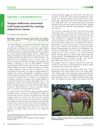
April 2018 in “Scientific Reports” The genes KRT25 and SP6 affect curly hair in horses, with KRT25 also causing hair loss. If both genes are mutated, the horse gets curly hair and hair loss. KRT25 can hide the effect of SP6.
 4 citations
,
January 2007 in “Australian Veterinary Journal”
4 citations
,
January 2007 in “Australian Veterinary Journal” A horse's sudden hair loss was caused by an allergic reaction to a coat conditioning powder.
PPARβ/δ helps yaks adapt to high altitudes by regulating lipid metabolism in their coats.
 93 citations
,
October 2006 in “The International Journal of Biochemistry & Cell Biology”
93 citations
,
October 2006 in “The International Journal of Biochemistry & Cell Biology” Melanocytes are crucial for skin pigmentation and can affect conditions like melanoma, vitiligo, and albinism, as well as hair color and hearing.
1 citations
,
December 2023 in “Animals” Winter provides the best fur quality for Rex rabbits due to seasonal changes in specific signaling pathways.
February 2024 in “Animals” Hair loss peaks in spring and regrowth in late summer, with pregnant females losing the most hair.
 9 citations
,
February 2022 in “BMC Genomics”
9 citations
,
February 2022 in “BMC Genomics” Melatonin affects gene expression in goat hair follicles, potentially increasing cashmere production.
2 citations
,
August 2022 in “Animals” Essential oils may improve dogs' health and melatonin can help with their sleep and anxiety, but both should be used carefully.
 9 citations
,
July 1995 in “Veterinary Clinics of North America: Small Animal Practice”
9 citations
,
July 1995 in “Veterinary Clinics of North America: Small Animal Practice” The document concludes that hair loss in cats is caused by various factors, including allergies, mites, infections, and hormonal issues, with treatments varying accordingly.
 January 2026 in “Communications Biology”
 Yak hair follicles adapt to cold through specific gene regulation, enhancing cell growth.
 20 citations
,
June 2014 in “BMC genomics”
20 citations
,
June 2014 in “BMC genomics” Poplar seed hairs grow from the placenta at the ovary base, with endoreduplication playing a key role in their development, and share similar cellulose synthesis processes with cotton fibers.
 January 2025 in “Epsilon Archive for Student Projects (University of Southampton)”
 Mange and orf are present in some goat herds in Zambia, but more research is needed.
10 citations
,
September 2019 in “Frontiers in Veterinary Science” Older steers have higher hair cortisol levels than younger steers.
19 citations
,
June 2020 in “General and comparative endocrinology” Hair cortisol is a reliable stress indicator in cattle but may not be valid for pigs.
296 citations
,
October 2018 in “General and Comparative Endocrinology” Hair cortisol is a reliable way to measure long-term stress in animals.
1 citations
,
August 2023 in “Animals” Chimp Haven uses a special system to check and improve the well-being of their chimpanzees, which could help other animal sanctuaries too.

The document concludes that non-endocrine alopecia in pets varies in treatment effectiveness and often has a poor prognosis, especially in cats.
 June 1997 in “Australasian Journal of Dermatology”
 Researchers found new hair and nail genes, how hair reacts to UV, differences in white and pigmented hair growth, nerve changes in alopecia, treatments for baldness and alopecia, a toenail condition linked to a genetic disorder, and that nail fungus is more common in people with psoriasis.