12 citations
,
July 2004 in “Molecular genetics and genomics” A new mouse mutation causes skin and hair defects due to a gene change.
195 citations
,
December 2009 in “Journal of Investigative Dermatology” Free fatty acids in sebum boost skin's defense against acne by increasing antimicrobial peptides.
 May 2022 in “bioRxiv (Cold Spring Harbor Laboratory)”
 Primary cilia affect the size and oil production of eye glands but not the oil's makeup.
949 citations
,
January 2001 in “Cell” Adult mouse skin contains stem cells that can create new hair, skin, and oil glands.
 3 citations
,
May 2018 in “European Journal of Dermatology”
3 citations
,
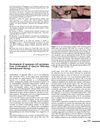
May 2018 in “European Journal of Dermatology” Photodynamic therapy may not work for erythroplasia of Queyrat and could lead to invasive squamous cell carcinoma.
 28 citations
,
October 2013 in “Cornea”
28 citations
,
October 2013 in “Cornea” Scientists have made progress in creating replacement teeth, hair, and glands that work, which could lead to new treatments for missing teeth, baldness, and dryness conditions.
 508 citations
,
February 2007 in “Cell”
508 citations
,
February 2007 in “Cell” Epithelial stem cells are crucial for tissue renewal and repair, and understanding them could improve treatments for damage and cancer.

Lack of certain cells causes abnormal nipple development and nursing failure.
 18 citations
,
March 2009 in “Medical Hypotheses”
18 citations
,
March 2009 in “Medical Hypotheses” The document suggests that blocking sweat glands with antiperspirants might allow skin-generated hormones to be absorbed, possibly increasing breast and prostate cancer risk.
56 citations
,
October 2010 in “Pediatric Clinics of North America” Epidermal nevi are skin cell clusters linked to various syndromes.
2 citations
,
September 2010 in “Acta Ophthalmologica” Meibomian glands are like hair follicles without a hair shaft.
277 citations
,
October 1982 in “The Journal of Cell Biology” Basal-cell epitheliomas and the pilosebaceous tract share a unique keratin, distinguishing them from other skin areas.
3 citations
,
July 2017 in “Journal of Investigative Dermatology” SSEA-4 can distinguish between eccrine and apocrine sweat gland ducts.
57 citations
,
February 2006 in “Journal of Investigative Dermatology” Cylindromas likely originate from hair follicle stem cells, not sweat glands.
March 2022 in “Clinical Cosmetic and Investigational Dermatology” CDKN2AIP gene is less active in nevus sebaceous, affecting related RNA networks.
 44 citations
,
July 2011 in “Dermato-endocrinology”
44 citations
,
July 2011 in “Dermato-endocrinology” Thyroid hormone affects skin health, with too little causing rough, pale skin and too much leading to smooth, thin skin, and may also impact wound healing and skin conditions.
482 citations
,
June 1979 in “Proceedings of the National Academy of Sciences” Keratins provide structural strength in epithelial cells and help identify cell origins.
 51 citations
,
July 2010 in “Trends in Endocrinology and Metabolism”
51 citations
,
July 2010 in “Trends in Endocrinology and Metabolism” Prolactin may play a significant role in skin and hair health and could be a target for treating skin and hair disorders.
15 citations
,
December 2020 in “International journal of molecular sciences” Epidermal stem cells create and maintain skin structures like hair and nails through specific signaling pathways and vary by location and function.
 8 citations
,
March 2019 in “Open Biology”
8 citations
,
March 2019 in “Open Biology” The document concludes that regenerating functional ectodermal organs like teeth and hair is promising for future therapies.
 5 citations
,
January 2019 in “Elsevier eBooks”
5 citations
,
January 2019 in “Elsevier eBooks” Current therapies cannot fully regenerate adult skin without scars; more research is needed for scar-free healing.
 1 citations
,
January 2008
1 citations
,
January 2008 Topical iodine can help regenerate human scar tissue quickly.
January 2021 in “Figshare” Autophagy helps delay aging in mouse glands, maintains fat balance, and controls scent production.
5 citations
,
September 2009 in “Acta Ophthalmologica” Hyper-keratinisation in Meibomian glands contributes to gland dysfunction.
 160 citations
,
April 2012 in “Journal of Cellular and Molecular Medicine”
160 citations
,
April 2012 in “Journal of Cellular and Molecular Medicine” Telocytes might help with skin repair and regeneration.
 30 citations
,
June 2014 in “Seminars in Immunology”
30 citations
,
June 2014 in “Seminars in Immunology” Future research on ectodysplasin should explore its role in diseases, stem cells, and evolution, and continue developing treatments for genetic disorders like hypohidrotic ectodermal dysplasia.
2 citations
,
November 2022 in “Veterinary sciences” The interdigital gland of Vembur sheep shows sex-based differences in size and chemical makeup, possibly affecting communication and disease protection.
 36 citations
,
January 2006 in “Veterinary Dermatology”
36 citations
,
January 2006 in “Veterinary Dermatology” Cyclosporin effectively and safely treated skin diseases in three pets with no side effects.
 9 citations
,
February 1981 in “Australian journal of biological sciences”
9 citations
,
February 1981 in “Australian journal of biological sciences” Lambs fed a liquid diet showed abnormal wool and skin, which improved with more B-vitamins, suggesting a link to B-vitamin deficiency.
 September 2025 in “Cell Biochemistry and Function”
 Mg-doped ZnO nanoparticles from plant extract effectively heal second-degree burns.