 94 citations
,
August 1975 in “Journal of Cutaneous Pathology”
94 citations
,
August 1975 in “Journal of Cutaneous Pathology” Male pattern baldness involves smaller hair follicles, larger oil glands, and other tissue changes, but not major blood supply issues.
 71 citations
,
February 2020 in “Journal of Translational Medicine”
71 citations
,
February 2020 in “Journal of Translational Medicine” Progress has been made in skin and nerve regeneration, but more research is needed to improve methods and ensure safety.
5 citations
,
February 2015 in “Ophthalmic plastic and reconstructive surgery” Two new types of eyelid cysts were identified, each with different treatment challenges.
3 citations
,
April 2014 in “Anatomy Research International” Buffalo mammary glands develop in stages from 34 to 229 days during prenatal growth.
142 citations
,
June 2003 in “The journal of investigative dermatology. Symposium proceedings/The Journal of investigative dermatology symposium proceedings” Hair follicle stem cells can generate all hair cell types, skin, and sebaceous glands.
April 2019 in “Journal of Investigative Dermatology” Y27632 increases cell growth through EGFR signaling, not ROCK1/2.
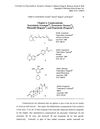
Isotretinoin and tazarotene help treat acne, while minoxidil and finasteride promote hair growth.
24 citations
,
July 1983 in “Journal of steroid biochemistry/Journal of Steroid Biochemistry” Cyproterone acetate is used to treat conditions like prostate cancer, early puberty, excessive sexual drive, and female androgenization by blocking male sex hormones.
 22 citations
,
November 2012 in “Journal of cosmetic dermatology”
22 citations
,
November 2012 in “Journal of cosmetic dermatology” Stem cells can rejuvenate skin, restore hair, and aid in wound healing.
 September 2013 in “中国医师杂志”
 Human scalp hair follicles grow well in Williams E medium, which may help with hair transplants.
84 citations
,
August 2013 in “Journal of Cellular Biochemistry” Human Wharton's jelly stem cells improve wound healing.
8 citations
,
March 2010 in “The journal of investigative dermatology/Journal of investigative dermatology” The 14-3-3σ gene is essential for preventing hair loss.
35 citations
,
December 2008 in “PubMed” Trichilemmoma, BCC, and SCC tumors have different stem cell marker expressions.
 76 citations
,
May 2011 in “Cell death and differentiation”
76 citations
,
May 2011 in “Cell death and differentiation” A20 protein is crucial for normal skin and hair development.
29 citations
,
October 2004 in “Differentiation” Multiple mouse desmoglein 1 isoforms have distinct roles in skin and hair development.
8 citations
,
March 2009 in “Differentiation” Adult vibrissa follicle stem cells can regenerate hair follicles, glands, and skin.
 September 2019 in “The journal of investigative dermatology/Journal of investigative dermatology”
 Mouse skin glands need healthy nerves to grow properly during hair growth phases.
 5 citations
,
February 2015 in “Journal of Comparative Pathology”
5 citations
,
February 2015 in “Journal of Comparative Pathology” High proliferative activity and peripheral invasion indicate malignancy in canine sebaceous gland tumors; the term 'epithelioma' should be updated for clarity.
 27 citations
,
July 2018 in “Experimental dermatology”
27 citations
,
July 2018 in “Experimental dermatology” Autophagy is crucial for normal sebaceous gland function and sebum composition.
 25 citations
,
February 2013 in “The journal of investigative dermatology/Journal of investigative dermatology”
25 citations
,
February 2013 in “The journal of investigative dermatology/Journal of investigative dermatology” Blocking SCD1 in the skin with XEN103 shrinks sebaceous glands in mice.
 16 citations
,
July 2012 in “Current pharmaceutical biotechnology”
16 citations
,
July 2012 in “Current pharmaceutical biotechnology” New treatments for skin conditions related to the sebaceous gland are being developed based on current research.
 14 citations
,
October 2018 in “PloS one”
14 citations
,
October 2018 in “PloS one” Deleting the Far2 gene in mice causes sebaceous gland issues and patchy hair loss.
 9 citations
,
May 2010 in “Journal of Investigative Dermatology”
9 citations
,
May 2010 in “Journal of Investigative Dermatology” Human sebaceous glands can grow back in skin grafts on mice and work like normal human glands.
 84 citations
,
January 2018 in “Biomaterials Science”
84 citations
,
January 2018 in “Biomaterials Science” Sericin hydrogels heal skin wounds well, regrowing hair and glands with less scarring.
 42 citations
,
July 2014 in “Journal of biological chemistry/The Journal of biological chemistry”
42 citations
,
July 2014 in “Journal of biological chemistry/The Journal of biological chemistry” Heparan sulfate is important for hair growth, preventing new hair formation in mature skin, and controlling oil gland development.
 40 citations
,
June 2011 in “Journal of biological chemistry/The Journal of biological chemistry”
40 citations
,
June 2011 in “Journal of biological chemistry/The Journal of biological chemistry” FA2H is essential for normal fur and sebum production in mice.
 30 citations
,
April 2018 in “Experimental Dermatology”
30 citations
,
April 2018 in “Experimental Dermatology” The article concludes that developing in vitro models for human hair structures is important for research and reducing animal testing, but there are challenges like obtaining suitable samples and the models' limitations.
 30 citations
,
April 2007 in “Dermatologic Clinics”
30 citations
,
April 2007 in “Dermatologic Clinics” The document concludes that new treatments are needed to better manage acne and reduce side effects related to current therapies.
 18 citations
,
August 2018 in “The FASEB journal”
18 citations
,
August 2018 in “The FASEB journal” Rabbits lacking the Hoxc13 gene show similar hair and skin issues to humans with ECTD-9, making them good for research on this condition.
 14 citations
,
July 2015 in “Journal of Cosmetic Dermatology”
14 citations
,
July 2015 in “Journal of Cosmetic Dermatology” Sebaceous glands in male pattern hair loss patients have more lobules and might cause early hair growth phase shifts.