Search
for
Sort by
Research
480-510 / 1000+ resultsresearch sm“FISH”ing for Hedgehog
Hedgehog signaling controls hair follicle development and can affect skin cancer growth.
research Roles of the Hedgehog Signaling Pathway in Epidermal and Hair Follicle Development, Homeostasis, and Cancer
The Hedgehog signaling pathway is important for skin and hair growth and can lead to cancer if it doesn't work right.
research 870 Y27632 promotes proliferation via EGFR signaling in a newly isolated and characterized human primary sebocyte cell line
Y27632 increases cell growth through EGFR signaling, not ROCK1/2.
research 5α-Reductase Type 2 Regulates Glucocorticoid Action and Metabolic Phenotype in Human Hepatocytes
Manipulating 5α-reductase type 2 can affect liver fat production and glucocorticoid effects.

research Tcf3 and Lef1 regulate lineage differentiation of multipotent stem cells in skin
Tcf3 and Lef1 are key in deciding skin stem cell roles.
research Spatiotemporal Expression, Distribution, and Processing of POMC and POMC-derived Peptides in Murine Skin
POMC-derived peptides are important for skin functions like immune response and stress management.
research The role of PPARγ-mediated signalling in skin biology and pathology: new targets and opportunities for clinical dermatology
PPARγ is crucial for skin health but can have both beneficial and harmful effects.
research TBG096 stimulates hair regeneration through IGF-1R-mediated angiogenesis
research Aging in the sebaceous gland
Sebaceous glands age due to genetic and environmental factors, affecting sebum production and composition.

research Shh maintains dermal papilla identity and hair morphogenesis via a Noggin–Shh regulatory loop
Sonic hedgehog signaling is crucial for hair growth and maintaining hair follicle identity.
research Two Birds that Exclude Each Other: The Renbök Phenomenon
Oral tofacitinib can treat both psoriasis and alopecia universalis by normalizing inflammatory pathways.
research Additional file 2 of ROS-responsive hydrogel-delivered miR-665 targets STAT3 to alleviate inflammation and promote hair follicle regeneration in alopecia areata
research Additional file 2 of ROS-responsive hydrogel-delivered miR-665 targets STAT3 to alleviate inflammation and promote hair follicle regeneration in alopecia areata
research 16.微生物学研究室
Malassezia species may contribute to hair loss in AGA patients.
research Stem and progenitor cells in sebaceous gland development, homeostasis and pathologies
Stem cells are key for the growth, upkeep, and repair of sebaceous glands and for understanding skin disorders.

research Scalp Microbiota Dysbiosis in Seborrheic Alopecia and Restoration Following Herbal Extract Shampoo Intervention
Herbal extract shampoo improves scalp health and hair growth in seborrheic alopecia.

research Receptor activator of NF-κB (RANK) stimulates the proliferation of epithelial cells of the epidermo-pilosebaceous unit
RANK-RANKL signaling is essential for hair growth and skin health.
research The cascading pathogenic consequences of Sarcoptes scabiei infection that manifest in host disease
Sarcoptes scabiei infection causes significant health and behavior changes in wombats.
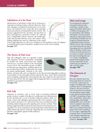
research Clinical Snippets
Melanoma risk tools need improvement, a gene mutation causes a hair disorder that might be treated by managing cell stress, a potential therapy for a skin-ear disorder involves blocking cell channels, skin wrinkling may indicate lung aging regardless of smoking, and oxidative stress might contribute to common baldness.

research The TRPM5 Antagonist Triphenylphosphine Oxide Increases Sebaceous Lipogenesis and Modulates Immune Phenotype of Human Sebocytes in a TRPM5‐Independent Manner
Triphenylphosphine oxide can increase oil production and reduce inflammation in skin cells without affecting TRPM5.

research Differential expression of mTOR signaling pathway proteins in lichen planopilaris and frontal fibrosing alopecia
The mTOR pathway proteins are altered in the hair follicles of patients with Lichen Planopilaris and Frontal Fibrosing Alopecia.

research mTORC1 activity negatively regulates human hair follicle growth and pigmentation
High mTORC1 activity slows hair growth and causes it to lose color.

research MOF-mediated Histone H4 Lysine 16 Acetylation Governs Mitochondrial and Ciliary Functions By Controlling Gene Promoters
MOF controls skin development by regulating genes for mitochondria and cilia.
research Innate type 2 immunity controls hair follicle commensalism by Demodex mites
Type 2 immunity helps control mite growth in hair follicles, preventing damage.
research Additional file 1 of ROS-responsive hydrogel-delivered miR-665 targets STAT3 to alleviate inflammation and promote hair follicle regeneration in alopecia areata
research Additional file 1 of ROS-responsive hydrogel-delivered miR-665 targets STAT3 to alleviate inflammation and promote hair follicle regeneration in alopecia areata

research Molecular Dissection of Mesenchymal–Epithelial Interactions in the Hair Follicle
Understanding gene expression in hair follicles can reveal insights into hair growth and disorders.

research MicroRNA-205 promotes hair regeneration by modulating mechanical properties of hair follicle stem cells
MicroRNA-205 helps hair grow by changing the stiffness and contraction of hair follicle cells.

research Regulatory T Cells: the Many Faces of Foxp3
Foxp3 is crucial for regulatory T cell function, and targeting these cells may help treat immune disorders.