1 citations
,
January 2014 SAHA syndrome links oily skin, acne, excess hair, and hair loss in women, similar to PCOS.
 1 citations
,
January 2009 in “X-ray Structure Analysis Online”
1 citations
,
January 2009 in “X-ray Structure Analysis Online” A new compound was made that might help treat diseases related to male hormones.
 1 citations
,
November 2008 in “Gerontology”
1 citations
,
November 2008 in “Gerontology” Older adults use lifestyle drugs to improve life quality and appearance, but caution is needed due to side effects and potential abuse.
 1 citations
,
February 1977 in “Archives of Dermatology”
1 citations
,
February 1977 in “Archives of Dermatology” Fresh plasma transfusions did not help treat Leiner disease in an infant.
1 citations
,
December 1970 in “European journal of endocrinology” Reversed sequential therapy with cyproterone acetate was effective for treating women with hirsutism and related conditions.
February 2026 in “Expert Review of Endocrinology & Metabolism” Early identification and personalized treatment of skin issues in PCOS are crucial for better outcomes.
October 2025 in “Modern pediatrics Ukraine” Early diagnosis of celiac disease in children is crucial for effective treatment.
October 2025 in “Nepal Journal of Dermatology Venereology & Leprology” PCOS is the main cause of hirsutism, often linked to insulin resistance.
April 2025 in “Indus journal of bioscience research.” Women with PCOS often experience skin issues like excess hair, acne, and hair loss.
 February 2025 in “Indus journal of bioscience research.”
 Early skin checks are crucial for managing PCOS symptoms.
 January 2025 in “International Journal of Dermatology Sciences”
 Skin issues in PCOS worsen quality of life and are linked to hormonal imbalances.
 September 2024 in “Medicina”
 Certain gene variations may protect against skin issues and oxidative stress in women with PCOS.
 January 2024 in “International Journal of Health Science”
 Hormonal implants have many side effects that often outweigh their benefits.
 June 2023 in “Faculty Opinions – Post-Publication Peer Review of the Biomedical Literature”
 Bicalutamide mesotherapy improved hair density in women with hair loss and was well received.
 April 2023 in “Elsevier eBooks”
 PCOS is a hormonal disorder causing symptoms like excess hair, acne, irregular periods, and fertility issues.
 January 2023 in “International Journal of Molecular Sciences”
 Maxillariinae orchids contain 62 compounds with potential health benefits, including treating skin conditions and diseases like cancer and diabetes.
Phototherapy with red or blue light can safely improve hair growth and scalp health in androgenetic alopecia.
 April 2021 in “Interciencia médica”
 PCOS is a common condition in women that causes various symptoms and health issues, treatable with lifestyle changes and medication.
March 2021 in “Der Hautarzt” Neuroendocrine paraneoplastic syndromes often show skin changes, helping early diagnosis and requiring a team approach for best care.
 February 2021 in “Aesthetic Cosmetology and Medicine”
 Glycosaminoglycans, found in things like hyaluronic acid, help maintain skin health and stimulate hair growth, and are safe to use topically.
Many women with postadolescent acne also have hormonal imbalances and are at higher risk for metabolic issues.
 March 2015 in “Journal für Kardiologie (Krause & Pachernegg GmbH)”
 Testosterone affects skin by increasing oil production and influences hair growth.
 September 2011 in “American Journal of Clinical Dermatology”
 The birth control pill containing ethinylestradiol and chlormadinone may help treat acne and other skin and hair conditions related to hormones.
 January 2011 in “Yearbook of Dermatology and Dermatologic Surgery”
 Acne and hair loss are not good indicators of hormone imbalance in PCOS, but excessive body hair is.
 December 2010 in “Zanco Journal of Medical Sciences”
 Acne is more common and severe in females, often with pre-menstrual flare-ups and associated with seborrhea.
 September 2009 in “Annales D Endocrinologie”
 DHEA supplementation may improve quality of life, neuropsychological functions, and sexual satisfaction in individuals with adrenal insufficiency, but more research is needed to confirm its safety and effectiveness.
January 2005 in “Elsevier eBooks” Insulin resistance and hyperinsulinism are linked to fertility issues and can worsen symptoms of PCOS.
January 2001 in “대한피부과학회지” Hormone levels in women with androgenetic alopecia are similar to those without the condition.
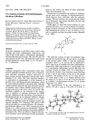 December 1998 in “Acta Crystallographica Section C-crystal Structure Communications”
 A new compound with strong antiandrogenic effects was found, potentially useful for treating conditions like acne and prostate cancer.
July 1993 in “学術講演梗概集. A, 材料施工,防火,海洋,情報システム技術” Evaluate prolactin levels with androgen and thyroid tests to rule out endocrine issues in patients with SAHA syndrome symptoms.