 April 2023 in “Journal of Investigative Dermatology”
 Cyclosporin A, a drug, reduces TGF-β2 expression in skin cells, potentially causing excessive hair growth through a process involving the calcineurin/NFAT pathway.
3 citations
,
June 2018 in “Internal Medicine” Recombinant thrombomodulin can effectively treat severe complications in Cronkhite-Canada syndrome.
5 citations
,
November 2005 in “Journal of Investigative Dermatology” 8 citations
,
July 2024 in “Journal of Advanced Research” CDK inhibitors may help treat ARDS and psoriasis but need more testing for safety and effectiveness.
 July 1996 in “Clinical and Experimental Dermatology”
 Putting calcipotriol ointment on the skin once doesn't change calcium levels in the body right away.
 4 citations
,
September 2018 in “The Journal of Dermatology”
4 citations
,
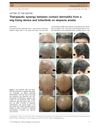
September 2018 in “The Journal of Dermatology” A man's hair regrew from alopecia areata after using tofacitinib and experiencing contact dermatitis from a wig device.
 2 citations
,
July 2023 in “Obstetrics & Gynecology”
2 citations
,
July 2023 in “Obstetrics & Gynecology” Imiquimod may be a better non-surgical treatment for cervical pre-cancer, but its effectiveness for vaginal pre-cancer is unclear, and it has some side effects.
 December 2025 in “Clinical Cosmetic and Investigational Dermatology”
 A rare lupus case on the chin was successfully treated with steroids and immunomodulators after accurate diagnosis using advanced imaging techniques.
 26 citations
,
July 2019 in “JAAD Case Reports”
26 citations
,
July 2019 in “JAAD Case Reports” Dupilumab for atopic dermatitis may cause new or worsen existing alopecia areata.
15 citations
,
January 2022 in “Immune Network/Immune network” New targeted immunotherapies are improving treatment for inflammatory skin diseases.
 1 citations
,
May 2025 in “Frontiers in Medicine”
1 citations
,
May 2025 in “Frontiers in Medicine” Dual-targeted therapy is effective and safe for difficult-to-treat inflammatory bowel disease.
 June 2024 in “Archives of Medical Science”
 Telitacicept effectively improved hair regrowth in a woman with lupus and alopecia.
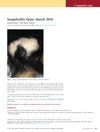 February 2016 in “The journal of investigative dermatology/Journal of investigative dermatology”
 JAK inhibitors may help treat alopecia areata by reversing hair loss.
2 citations
,
May 2023 in “The Journal of Immunology” NXC736 significantly reduced hair loss in mice with alopecia areata.
 2 citations
,
September 2021 in “JAAD case reports”
2 citations
,
September 2021 in “JAAD case reports” Dupilumab helped a woman with severe hair loss regrow her hair quickly and maintain it for six months after stopping treatment.
The new gel effectively treats psoriasis with minimal side effects.
 18 citations
,
March 1990 in “Archives of Dermatology”
18 citations
,
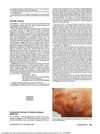
March 1990 in “Archives of Dermatology” Cyclosporine cleared a woman's resistant skin condition quickly and kept it away for over a year.
 September 2019 in “Journal of Investigative Dermatology”
 Targeted therapy with Ustekinumab significantly improved a skin condition called ILVEN, which is caused by mutations in the CARD14 gene.
1 citations
,
January 2025 in “International Journal of Dermatology” Dupilumab can both improve and worsen alopecia areata, with higher IgE levels linked to better outcomes.
 August 2023 in “Dermatology and Therapy”
 Imiquimod can cause rare skin side effects, some irreversible, and long-term follow-up is important for users.
 49 citations
,
August 2018 in “International Journal of Dermatology”
49 citations
,
August 2018 in “International Journal of Dermatology” Topical JAK inhibitors may help treat alopecia universalis by promoting hair regrowth.
 273 citations
,
May 2017 in “The Lancet”
273 citations
,
May 2017 in “The Lancet” Some drugs can cause rare but potentially deadly skin reactions, and early treatment and avoiding the drug again are key.
August 2002 in “British journal of ophthalmology” Surgical excision is the best treatment for SCC, but intralesional cidofovir might be a viable alternative.
 16 citations
,
March 2015 in “Clinical Cancer Research”
16 citations
,
March 2015 in “Clinical Cancer Research” The document concludes that side effects from Smoothened inhibitor drugs for skin cancer are reversible and can be managed with a team approach to maintain quality of life.
22 citations
,
January 2012 in “Mediators of inflammation” Nonantibiotic macrolides show promise for treating various inflammatory skin conditions.
 January 2024 in “Journal der Deutschen Dermatologischen Gesellschaft”
 Non-biologic immunosuppressive drugs are crucial for treating autoimmune and chronic inflammatory skin diseases.

Dupilumab improved hair and skin in a woman with Netherton syndrome.
 3 citations
,
May 2023 in “Clinical drug investigation”
3 citations
,
May 2023 in “Clinical drug investigation” JAK inhibitors for alopecia areata are linked to minor side effects like headache and acne, but not to an increased risk of serious adverse events.
January 2010 in “Journal of Animal Science” Transcutaneous vaccination using nanoparticles can enhance immune responses and reduce basal cell carcinomas.

Dupilumab improved hair and skin in a woman with Netherton syndrome.