 39 citations
,
April 2019 in “Journal of Biomaterials Science, Polymer Edition”
39 citations
,
April 2019 in “Journal of Biomaterials Science, Polymer Edition” RADA16 is a promising material for tissue repair and regenerative medicine but needs improvement in strength and cost.
August 2025 in “Bioactive Materials” Ac-GFFY-IGF peptide is a promising, safe, and effective treatment for hair loss, better than current options.
9 citations
,
February 2020 in “Materials Express” Short-peptide gel scaffolds improve burn wound healing and hair growth.
 29 citations
,
April 2020 in “Biomolecules”
29 citations
,
April 2020 in “Biomolecules” The 3D scaffold helped maintain hair cell traits and could improve hair loss treatments.
21 citations
,
September 2019 in “International Journal of Nanomedicine” RADA16-I can effectively deliver and release mangiferin, improving its solubility and bioavailability.
8 citations
,
September 2023 in “International Journal of Nanomedicine” A new lab-grown lung model helps study adenoviruses and test antiviral drugs.
 2 citations
,
September 2022 in “Composites Part B: Engineering”
2 citations
,
September 2022 in “Composites Part B: Engineering” Pacific oyster peptides may help wounds heal without scars.
1 citations
,
April 2023 in “Scientific Reports” Self-assembling RADA16-I hydrogels with bioactive peptides significantly improve wound healing.
 68 citations
,
March 2019 in “Advanced Healthcare Materials”
68 citations
,
March 2019 in “Advanced Healthcare Materials” Advanced hydrogel systems with therapeutic agents could greatly improve acute and chronic wound treatment.
 10 citations
,
September 2022 in “Advanced Healthcare Materials”
10 citations
,
September 2022 in “Advanced Healthcare Materials” Current methods can't fully recreate skin and its features, and more research is needed for clinical use.
Self-assembling peptide hydrogels effectively deliver drugs locally, enhancing treatment and reducing side effects.
 6 citations
,
May 2022 in “Colloids and Surfaces B: Biointerfaces”
6 citations
,
May 2022 in “Colloids and Surfaces B: Biointerfaces” Eating peptides from certain shellfish may help wounds heal faster by reducing inflammation.
March 2026 in “Bioconjugate Chemistry” Peptide-based PROTACs show promise in targeting hard-to-treat proteins, especially for cancer therapy.

Peptide hydrogels show promise for healing skin, bone, and nerves but need improvement in stability and compatibility.
73 citations
,
February 2023 in “Polymers” Peptide hydrogels are promising for drug delivery and tissue repair in medicine.
8 citations
,
May 2024 in “ACS Applied Materials & Interfaces” PCL nanoscaffold-based liver spheroids are effective for drug screening and studying liver toxicity.
 July 2025 in “Scientific Reports”
 RG and RJ gels speed up burn wound healing better than other treatments.
November 2025 in “Chemistry - An Asian Journal” EISA uses enzymes to create precise nanostructures in cells, offering new ways to design adaptive materials and therapies.
2 citations
,
June 2025 in “Nano Research” Gold nanoclusters can improve detection, imaging, and therapy in medicine.
January 2026 in “PubMed Central” Natural product nanoparticles improve drug absorption but need better stability and production methods.
 150 citations
,
June 2014 in “Biomaterials”
150 citations
,
June 2014 in “Biomaterials” Peptide hydrogels heal burn wounds faster and better than standard dressings.
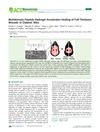 86 citations
,
March 2018 in “ACS Biomaterials Science & Engineering”
86 citations
,
March 2018 in “ACS Biomaterials Science & Engineering” MDP hydrogel heals wounds faster and better than other treatments in diabetic mice.

Human hair keratins can self-assemble and support cell growth, useful for biomedical applications.
 7 citations
,
December 2020 in “ACS biomaterials science & engineering”
7 citations
,
December 2020 in “ACS biomaterials science & engineering” Human hair keratins can form stable nanofiber networks that might help in tissue regeneration.
New peptides can delay aging and improve cell function.

Cadd4 effectively reduces cholesterol levels without side effects.
 5 citations
,
January 2017 in “Elsevier eBooks”
5 citations
,
January 2017 in “Elsevier eBooks” The document concludes that cosmetics need biocompatible, eco-friendly ingredients due to aging populations and demand for effective products.
 23 citations
,
January 2022 in “Biomaterials Science”
23 citations
,
January 2022 in “Biomaterials Science” Non-viral vectors show promise for safe and effective CRISPR/Cas9 gene editing in treating diseases.
 1 citations
,
January 2019 in “Elsevier eBooks”
1 citations
,
January 2019 in “Elsevier eBooks” New scaffold materials help heal severe skin wounds and improve skin regeneration.
 April 2015 in “Andrology”
 HNG may help prevent the negative effects of chemotherapy on sperm production and white blood cell counts.