 19 citations
,
July 2009 in “Clinical and Experimental Dermatology”
19 citations
,
July 2009 in “Clinical and Experimental Dermatology” The study found that long-term sun exposure does not significantly affect follicular plugs on the scalp, and the scalp's appearance is unique compared to other body parts.
 July 2018 in “British Journal of Dermatology”
 Hair regrowth was seen in 83% of children with alopecia, immune system plays a role in the condition, and various treatments showed effectiveness for hair and nail disorders.
 March 2017 in “Fundamental & Clinical Pharmacology”
 The model and estimator can predict drug exposure in kidney transplant patients well.
 29 citations
,
May 1998 in “Bulletin of the American College of Nurse-Midwifery”
29 citations
,
May 1998 in “Bulletin of the American College of Nurse-Midwifery” The document concludes that menopause should be seen as a natural part of aging and managed with personalized care and informed choices.
 23 citations
,
March 2019 in “The journal of investigative dermatology/Journal of investigative dermatology”
23 citations
,
March 2019 in “The journal of investigative dermatology/Journal of investigative dermatology” ATP increases melanin production in skin after UV exposure, with the P2X7 receptor being crucial for this process.
 January 2026 in “Frontiers in Reproductive Health”
 Educational efforts can reduce harmful chemical exposure from hair products in pregnant Women of Color.
 August 2018 in “Journal of The American Academy of Dermatology”
 Older men's scalp damage increases with age and sun exposure, a baby girl in the Philippines has Schimmelpenning syndrome, and thyroid screening is advised for children with hair loss and certain risk factors.
 January 2011 in “Side effects of drugs annual”
 Tretinoin gel is safe for sun exposure, but tacalcitol doesn't significantly improve non-segmental vitiligo.
 2 citations
,
October 2017 in “Drug safety - case reports”
2 citations
,
October 2017 in “Drug safety - case reports” Finasteride for hair loss may cause painless bleeding in urine and semen.
 8 citations
,
November 2015 in “The American journal of dermatopathology/American journal of dermatopathology”
8 citations
,
November 2015 in “The American journal of dermatopathology/American journal of dermatopathology” Punctate follicular porokeratosis is a skin condition with specific features seen in hair follicles.
 7 citations
,
November 2011 in “Skin Research and Technology”
7 citations
,
November 2011 in “Skin Research and Technology” The study found a specific pattern of uneven melanin distribution on balding scalps that could help understand skin diseases caused by light exposure.
 2 citations
,
August 2020 in “Dermatologic Therapy”
2 citations
,
August 2020 in “Dermatologic Therapy” Higher energy, longer exposure, and pulse irradiation improve hair density in androgenetic alopecia treatment.
 1 citations
,
July 2025 in “Frontiers in Endocrinology”
1 citations
,
July 2025 in “Frontiers in Endocrinology” ApoBDs, once seen as waste, are now viewed as potential tools for disease treatment and tissue repair.
 September 2023 in “Journal of Parasite Science”
 The dog's skin condition improved significantly after seven days of treatment.
 January 2021 in “Erciyes medical journal”
 The COVID-19 pandemic changed the types of skin conditions seen at a clinic, with fewer patients and varying numbers of specific conditions.
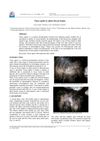
An adult Libyan woman was successfully treated for a rare scalp infection usually seen in children.
 17 citations
,
January 2021 in “Agrobiological Records”
17 citations
,
January 2021 in “Agrobiological Records” Allethrin caused harmful effects and organ damage in rats, worsening with higher doses and longer exposure.
 124 citations
,
June 2002 in “Best Practice & Research Clinical Endocrinology & Metabolism”
124 citations
,
June 2002 in “Best Practice & Research Clinical Endocrinology & Metabolism” Polycystic Ovary Syndrome likely starts in childhood and may be genetic and influenced by early hormone exposure.
 16 citations
,
April 2012 in “Journal of mammalogy”
16 citations
,
April 2012 in “Journal of mammalogy” Young female Australian fur seals are losing hair due to low tyrosine and zinc levels and high pollution exposure.
 6 citations
,
November 1988 in “Journal of the American Academy of Dermatology”
6 citations
,
November 1988 in “Journal of the American Academy of Dermatology” The document concludes that hair analysis is not good for assessing nutrition but can detect long-term heavy metal exposure.
 May 2015 in “Journal of The American Academy of Dermatology”
 Laser treatment is safe and can effectively treat toenail fungus, especially when combined with other treatments if no improvement is seen after about a year.
 87 citations
,
March 2014 in “Biochimica et Biophysica Acta (BBA) - Molecular and Cell Biology of Lipids”
87 citations
,
March 2014 in “Biochimica et Biophysica Acta (BBA) - Molecular and Cell Biology of Lipids” Cholesterol sulfate buildup due to a genetic mutation disrupts the skin barrier, leading to the scaling skin seen in X-linked ichthyosis.
 15 citations
,
December 2016 in “Obstetrics & Gynecology”
15 citations
,
December 2016 in “Obstetrics & Gynecology” Most skin changes during pregnancy are harmless and moles don't significantly change, but many women experience pigmentation changes due to hormones and sun exposure.
12 citations
,
August 2014 in “Elsevier eBooks” Thallium exposure can cause serious health issues, including nerve damage and hair loss.
 January 2024 in “Journal of tissue engineering”
 Sunlight exposure damages hair follicles, but certain stem cell-derived particles can reduce this damage and help with hair regeneration.
101 citations
,
July 1998 in “Journal of Investigative Dermatology” UVB exposure in human skin causes macrophages to produce more IL-10 and less IL-12, leading to immunosuppression.
 1 citations
,
August 2024 in “Polish Journal of Environmental Studies”
1 citations
,
August 2024 in “Polish Journal of Environmental Studies” Air pollution can damage hair and scalp, causing hair loss and inflammation.
November 2023 in “IntechOpen eBooks” Arsenic exposure from contaminated water severely damages the skin, causing hair loss, pigmentation changes, irritation, and can lead to skin cancer.
16 citations
,
June 2022 in “Journal of Pediatric Endocrinology and Metabolism” Reducing phthalate exposure may help prevent early puberty in girls.
14 citations
,
January 2014 in “Anais Brasileiros de Dermatologia” Low BMI and cold exposure increase the risk of chilblains.